"***Pete the Puggle and the Moonlit Adventure at Transmitter Park***"🐾

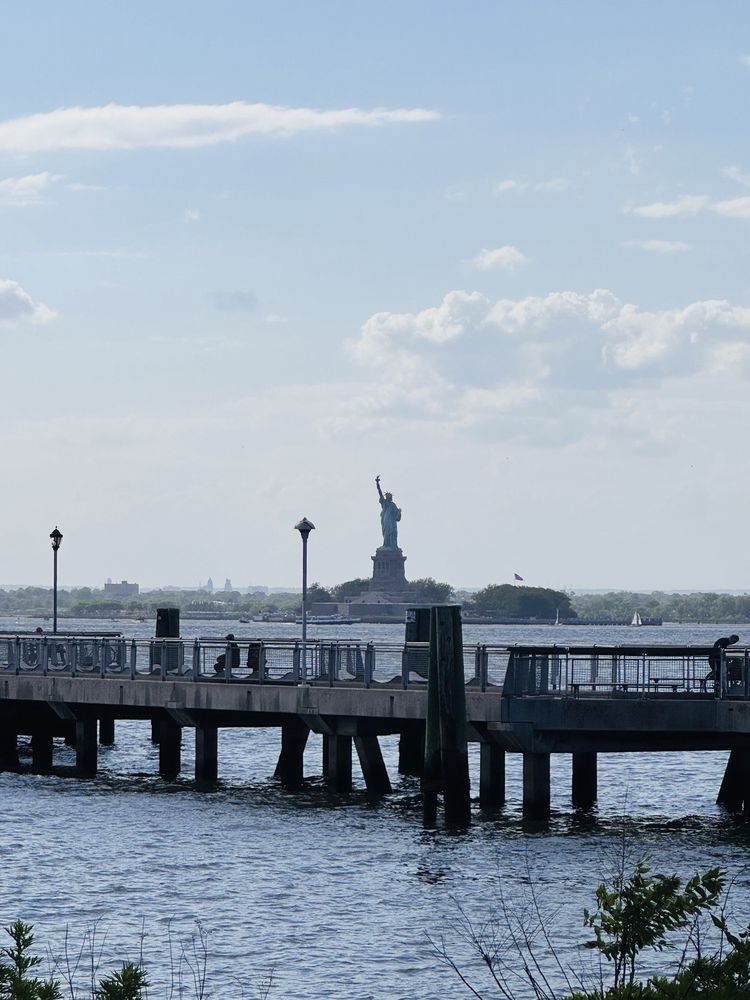
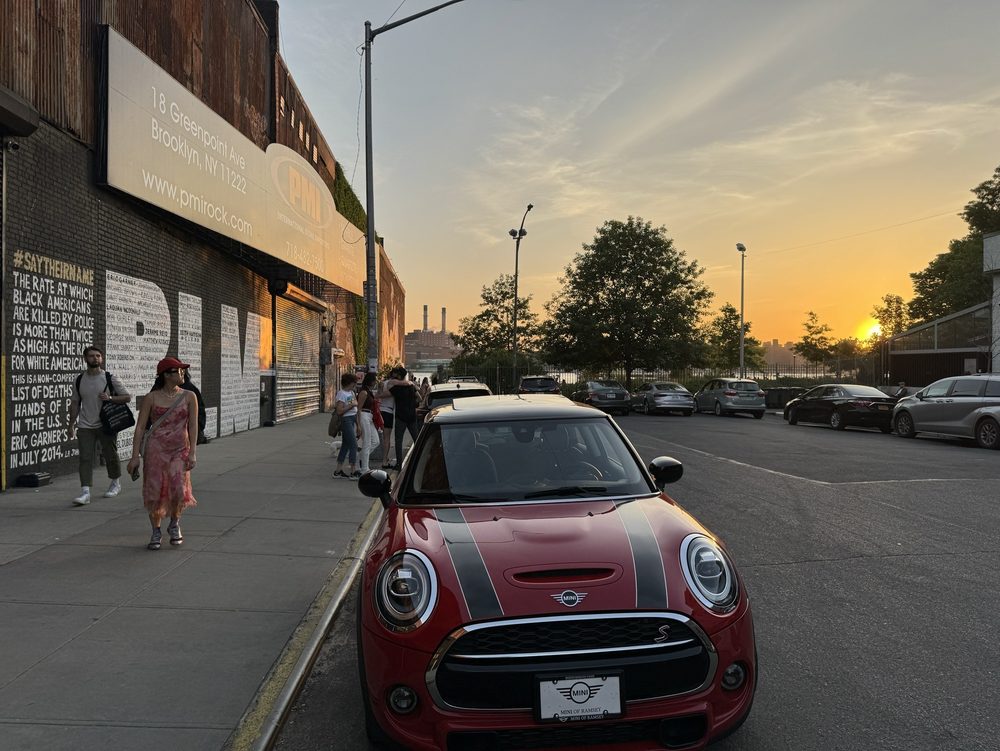
--- ## Chapter One: The Morning of Marvelous Possibilities The golden fingers of dawn stretched through my bedroom window, painting stripes across my short, velvety white fur like a painter preparing a canvas. I woke with that particular shiver of excitement that only Saturday mornings bring—that electric promise that something wonderful waited just beyond the horizon of sleep. My name is Pete, and I am a puggle, which means I possess the noble heart of a beagle and the compact courage of a pug, all wrapped in a package of white velvet perfection. "Pete! Pete, wake up, little buddy!" Roman's voice cascaded down the hallway like a waterfall of joy. My older brother—technically human, but we don't discuss such technicalities—burst through the door with his hair sticking up like he'd been electrocuted by happiness. "We're going to Transmitter Park today! Mom says yes!" I leaped from my cozy bed with the grace of a champion, though I landed with the subtlety of a falling sofa cushion. "Transmitter Park?" I barked, my tail conducting a symphony of enthusiasm against the wooden floor. "The one with the river? The big green lawn? The—" "The very same!" Roman laughed, scooping me into his arms. His eyes crinkled at the corners like origami wishes, and I could feel his heart beating with that particular rhythm that meant adventure pulsed through his veins too. Downstairs, the kitchen hummed with the music of morning. Mariya—my mom, my moon, my everything—stood at the stove wearing her faded blue apron with the coffee stain shaped like Florida. The smell of scrambled eggs and something cinnamon-drenched wrapped around us like a familiar blanket. "Good morning, my brave little explorer," she sang, and her voice carried that quality of turning ordinary words into incantations. Lenny, my dad, emerged from behind his newspaper with the mischievous grin of someone who had already told three jokes that morning and was saving the best for breakfast. "Did you hear about the scarecrow who won an award?" he asked, his eyebrows performing an elaborate dance. "Lenny, let them wake up first," Mariya chided, though her eyes sparkled with practiced patience. "He was outstanding in his field!" Lenny finished, undeterred, and despite my better judgment, I felt my puggle lips curling into what could only be described as a smile. As we packed the car—water bottles, sandwiches, Frisbees, and my well-worn red bandana—I noticed Roman studying me with unusual intensity. "You okay, Pete?" he asked softly, too quietly for the others to hear. "You know there's water at the park, right? The East River?" My paws froze on the edge of the car seat. Water. That vast, liquid mystery that had always seemed more monster than playground. When I was a puppy, a wave at the beach had knocked me tail-over-snout, and since then, the very thought of water sent my heart hammering like a drum solo. But I looked at Roman's hopeful face, at the way he believed in me without needing words, and I found something small and warm kindling in my chest. "I'm okay," I said, and meant it more than I feared it. The drive bloomed with anticipation. We passed buildings like sleeping giants, streets that whispered stories of a thousand yesterdays, and finally, the green embrace of Transmitter Park opened before us like a gift from the earth itself. --- ## Chapter Two: Arrival and the Elegant Stranger Transmitter Park unfolded like a painting come alive—the kind that makes you want to step inside and live forever. The grass stretched emerald and endless, punctuated by wildflowers that nodded their yellow heads in the gentle breeze. Old industrial structures, relics of another age, stood like rust-colored sentinels watching over the playground of today. And there, beyond it all, shimmered the East River—silver and secret and speaking in the language of tides. I pressed closer to Roman as we walked, my paws finding rhythm with his sneakers. The river's voice reached me first, that susurrus of water against shore that sounded like a thousand whispers conspiring. My fur prickled with involuntary memory—the wave, the tumble, the moment of not knowing which way was sky. But I walked forward anyway, because courage, I've learned, isn't the absence of fear but the decision to keep your paws moving. "Roman! Pete!" A voice like warm honey called from across the lawn. We turned to see Baron Munchausen emerging from beneath an ancient oak tree, his presence as inevitable as a story finding its teller. The Baron wasn't human, nor properly canine, but something wonderfully in-between—a gentleman of indeterminate species with a magnificent mustache that seemed to have its own opinions, and a top hat that housed, on occasion, small birds who assisted him in his adventures. "Baron!" Roman exclaimed, and I felt my own heart lift at the sight of this old friend. The Baron carried with him the scent of cinnamon and distant stars, and when he smiled, the world seemed to lean in to listen. "My dear friends," the Baron boomed, executing a bow that would have embarrassed a lesser hat. "I have arrived with stories to tell and troubles to transform! But first—" he paused, his mustache twitching with delight, "—I believe someone wishes to make your acquaintance." From behind the oak emerged a vision in fawn and mahogany—an Italian Mastiff of such elegant proportions that my heart performed a gymnastics routine against my ribs. Her name, we would learn, was Luna, and she moved with the grace of moonlight given form. Her eyes, deep and knowing, found mine, and I felt something shift inside me, like a key finding its lock. "Hello," she said, and her voice was music played on velvet strings. "I'm Luna. The Baron suggested I might find friends here." "Pete," I managed, though my tongue felt three sizes too large. "I'm Pete. This is Roman. And that's my family—" I gestured with my nose toward where Mom and Dad were spreading blankets, where Lenny was already engaged in some elaborate joke with a passing squirrel. Luna's laugh was like wind chimes in a gentle breeze. "The Baron speaks highly of your adventures. He says you have the heart of a lion wrapped in a very... compact package." I felt my ears warm, grateful for my white fur that hid my blush. "He exaggerates," I murmured. "He never exaggerates," she corrected gently, and her eyes held mine with something I couldn't quite name. "He amplifies. There's a difference." And so began the most wonderful afternoon, Luna and I racing through dandelion clocks, sending wishes scattering on the wind. We chased butterflies that seemed to lead us on merry paths through the wilder sections of the park, and with each step, each laugh, each shared glance, I felt something growing—something brave and tender and terrifyingly beautiful. But even as joy bloomed, I noticed the sun beginning its western journey, and with it came the first whisper of evening. The river seemed to darken, to deepen, and my old familiar fear stretched and yawned in the hollow of my chest. --- ## Chapter Three: The Separation The afternoon had ripened into golden perfection when everything changed. One moment, Luna and I were exploring a thicket of elderberry bushes, chasing the scent of something wonderful and mysterious; the next, a sound like thunder split the air—not true thunder, but the percussive boom of construction from the industrial area beyond the park. I yelped. Luna startled. And in that moment of confusion, we ran—not toward the safety of our families, but away, deeper into the wilderness that fringed the park's edge. Brambles caught at my fur, and I heard Luna's powerful body crashing through undergrowth behind me. When we finally stopped, panting, the world had transformed. Gone were the familiar voices of my family. Gone were the bright blankets and the smell of Mom's sandwiches. We stood in a small clearing where the trees grew thick as secrets, and where the river's voice had grown from gentle whisper to something more insistent, more demanding. "Pete," Luna said, and for the first time, her magnificent composure showed cracks. "Where are we?" I turned in a slow circle, my nose working desperately to catch some familiar scent. But the wind had shifted, carrying nothing but green growing things and the ever-present water. "I don't know," I admitted, and the words tasted like failure. "I ran. I got scared, and I ran." The fear was immediate and total—not just of being lost, but of the darkening woods, of the river's proximity, of everything I knew about myself being challenged by this moment. My breath came short and fast, and I felt the world beginning to spin. Luna pressed her considerable warmth against my side. "Breathe," she commanded gently. "Like this." She demonstrated, slow and steady, and I tried to match her. "The Baron taught me that fear is just excitement without breath. They're the same feeling in the body, he says. We choose which one it becomes." I wanted to believe her. I tried to believe her. But as the light continued its retreat, painting the world in deepening blues and grays, I felt my courage leaking away like water through cupped paws. The dark brought with it a thousand imagined terrors—strange creatures, strange sounds, the terrible possibility that my family had given up, that I was alone forever. "We need to find them," I said, forcing steadiness into my voice. "Roman will be worried. Mom will—" I couldn't finish, the image of Mariya's face creasing with concern too much to bear. We walked, Luna and I, through the gathering dusk. The river remained our constant companion, sometimes visible through gaps in the trees, sometimes hidden but always audible—that liquid voice that spoke of depths I couldn't fathom. Each time we drew near, I felt my hackles rise, my body remembering what my mind tried to forget. "Pete," Luna said after what felt like hours, "you're trembling." "I'm fine," I lied. "You're afraid of the water," she observed, not as accusation but as simple truth. "And the dark. And being apart from those you love. That's a great many fears for such a small body." "Compact," I corrected automatically, and she laughed, that wind-chime sound that made the dark seem less absolute. "Compact," she agreed. "But Pete, I've watched you today. I've seen how you love your family, how you face what frightens you even when your paws shake. That is the largest courage I know." Her words settled into me like seeds finding fertile ground. But before I could respond, a new sound reached us—a crashing through the underbrush that froze both our hearts. From the darkness emerged shapes, and for one terrible moment, I believed all my terrors had taken physical form. --- ## Chapter Four: Baron of the In-Between The shapes resolved into something stranger than monsters—Baron Munchausen, magnificent in the moonlight, his mustache practically glowing with indignation, his top hat tilted at an angle that suggested recent adventure. Behind him fluttered his companions: a small owl named Philomena who served as his eyes in the dark, and a remarkably determined sparrow called Ignatius who had once, according to Baron lore, defeated a cat through sheer force of personality. "My dear children!" the Baron exclaimed, sweeping us into an embrace that smelled of cinnamon and comfort. "I have been searching since the thunder boom scattered us all. Your families are frantic with worry, but I assured them that I would find you, and find you I have!" Relief made my legs wobble, but something else too—disappointment, perhaps, that I had needed rescue, that my courage had not been sufficient. The Baron, perceptive as always, knelt to meet my eyes. "Pete," he said, and his voice carried none of its usual theatricality, "do you know why I wear this hat?" I shook my head, mute. "Because once, long ago, I was very afraid. Of everything. Of the dark, of the unknown, of my own smallness in a vast world. This hat was given to me by someone who saw not what I was, but what I might become. She told me that courage is not the elimination of fear but the transformation of it—fear into fuel, trembling into triumph." He tapped his hat gently. "I became the Baron because I stopped running from my fears and started dancing with them. Sometimes literally. Philomena plays excellent violin." The owl in question hooted modestly. "But the river," I whispered. "The dark. Being lost from everyone I love. How do I dance with those?" The Baron stood, his silhouette cutting a heroic figure against the moon. "By going through them, dear Pete. Not around. Not away. Through. I will be with you. Luna will be with you. And your own heart—" he placed a gentle paw-hand on my chest, "—will carry you when nothing else can." He led us then, through paths that seemed to shift and breathe, toward the river's edge. Each step felt like walking toward my own execution, my body screaming retreat while something deeper, something that sounded remarkably like Roman's voice saying "I believe in you," pushed me forward. The river lay before us, silver-black and whispering secrets to the moon. On the far side, I could see lights—Transmitter Park proper, where search parties perhaps even now called our names. Between us and safety flowed the water, wider here than I'd thought, more demanding than I'd imagined. "We must cross," the Baron stated. "The paths this way are blocked by night's own obstacles. But the river—" he smiled, and it contained multitudes, "—the river will carry those who trust it." --- ## Chapter Five: The River's Embrace I stood at the water's edge, and the river spoke to me—not in words, but in the language of currents and depths, of all the things I didn't know and all the fears I'd cultivated like a garden of thorns. The darkness had fully claimed the sky now, stars pricking through like hope made visible, and the water reflected them with a deceptive gentleness. "I can't," I whispered, and the words tore from me like confession. "It will take me. It will pull me under. I'll—" "You'll float," Luna said, appearing at my side. "Pete, look at me." I turned to find her eyes catching starlight, holding it, transforming it. "Italian Mastiffs are not known for swimming. We are heavy, we are dense, we are built for earth. But I have learned, because the alternative was never learning at all. The water does not want to destroy you. It simply wants to be water. You must meet it as you are." The Baron had produced a small boat from somewhere—his hat, probably, or a pocket of impossible dimension—and was preparing it with Philomena and Ignatius's assistance. "A vessel for the journey," he announced. "But Pete, someone must guide it. Someone who knows where home lies. Someone—" he paused, his mustache quivering with emotion, "—someone who loves enough to face what frightens them most." Everyone was looking at me. Luna, with her moon-bright eyes. The Baron, with his centuries of stories. Even the river seemed to pause in its eternal conversation, waiting. I thought of Roman, of how he'd held me after the beach incident when I was small, how he'd never made me feel small for my fear. I thought of Mariya's cinnamon warmth, of Lenny's jokes that hid such fierce protection. I thought of all the adventures we'd shared, all the mornings like this one that started with possibility and ended with gratitude. And I thought of Luna, elegant Luna, who had seen me afraid and stayed anyway. "I'll do it," I heard myself say, and my voice didn't shake, or if it did, the tremor sounded more like determination than terror. "I'll guide us across." The water was cold—that was my first sensation as I waded in, pulling the small boat with Luna and the Baron aboard. Cold and alive and utterly alien against my fur. My paws found the riverbed, slippery with sediment and strange textures, and for a moment, the panic returned like a wave I'd never expected. "Breathe," Luna called from the boat. "Breathe, Pete. We're with you." I breathed. The water rose to my chest, my shoulders, and I discovered something miraculous—I could touch bottom, could feel the current but also my own stability, my own strength against it. Step by step, I pulled us forward, and with each step, the fear didn't disappear but transformed, became something I could use, something that made each moment more vivid, more real, more mine. The middle of the river was deepest, and here I faltered, my paws losing contact with the bottom, the current tugging with sudden insistence. I spluttered, went under for one terrifying moment, and emerged gasping to find Luna's powerful jaws gripping my scruff, holding me, supporting me. "Swim," she said, and I did. Not well, not gracefully, but I paddled and kicked and found that the water would hold me if I only trusted it enough to try. Together, we made our way across, and when my paws finally found purchase on the far bank, I collapsed with exhaustion and something else—something that felt remarkably like pride. "We did it," I panted. "I did it." "You magnificent, compact creature," the Baron laughed, disembarking with a flourish. "The river has blessed you. The night has tested you. And you, dear Pete, have emerged—" "Wet," Luna supplied, and her laugh was the most beautiful sound I'd ever heard. "Victorious," the Baron corrected, but he was smiling. --- ## Chapter Six: Through the Dark to Find the Light But the river was only half the journey, and the night had grown thick with shadows that seemed to move with purpose. We found ourselves in a part of Transmitter Park I didn't recognize—wilder, more overgrown, where the old industrial structures cast elaborate shadows that played tricks on hopeful eyes. Every shape became a threat, every sound a warning. I thought I had conquered fear in the river, but the dark brought new challenges. Without the immediate task of survival, my mind began its familiar spiral—what if we were still lost? What if my family had gone home, believing me gone forever? What if the dark never ended, if we wandered these shadows until we became shadows ourselves? "Pete." Luna's voice cut through my spiraling. "Where are you?" "Here," I said, but my voice sounded distant even to me. "You're not," she said, and there was no judgment, only concern. "You're in the dark inside your head. I've been there too. After my first family—" she paused, and I heard old pain in her carefully controlled voice, "—after I lost them, I lived in that darkness for a long time. But Pete, the dark is just the absence of light. It doesn't mean light is gone. Only that we must carry our own until we find it again." The Baron had been unusually quiet, but now he spoke, and his voice carried the weight of genuine experience beneath its usual theatricality. "In my youth," he said—and for the Baron, "youth" could mean anything from decades to centuries past—"I wandered a desert of eternal night. I believed, truly believed, that the sun had abandoned me. But I discovered that the darkness held gifts the light never could—the ability to see stars, for instance, or to hear one's own heartbeat, or to find that the bravest light comes from inside." He produced a small lantern from his hat, and its glow seemed impossibly warm in the surrounding dark. "This light never goes out," he said. "Because it is made of stories, and stories are the most renewable resource in any universe." I looked at that light, and I looked at Luna, and I looked at the impossible friends who had become my companions in this strange night. And I found, somewhere in the center of my being, a light that answered theirs. It wasn't large. It wasn't dramatic. But it was mine, born of love and fear and the choice to keep moving forward. "We need to find Roman," I said, and my voice carried new authority. "We need to find my family. And we'll do it together." We walked then, through the darkest part of the park, and I discovered something remarkable. The fear didn't disappear. It walked beside me, a familiar companion now, transformed from enemy to ally. It made me cautious where I needed caution, alert where alertness served. And when at last we heard voices calling my name—Roman's voice, cracked with worry and hope—my fear transformed entirely into something else: joy so sharp it felt like flying. "Pete! PETE!" I broke from our group, running toward that voice like a compass needle finding north. And there, emerging from between trees with flashlights swinging and voices raised in relief and wonder, came my family. Roman first, always Roman, his face a map of every emotion he'd ever felt written in tears and laughter. He scooped me up, and I was home. I was found. The dark hadn't defeated me, the water hadn't swallowed me, and here, pressed against the thunderous comfort of my brother's heart, I understood what all of this had been for. --- ## Chapter Seven: Reunion's Sweet Symphony The reunion was chaos and poetry intertwined. Mariya wept openly, her hands trembling as they touched my fur, as if confirming I was real, I was whole, I was returned. "My brave boy," she whispered, and her tears fell like warm rain on my head. "My brave, brave Pete." Lenny laughed, that particular laugh that meant he was trying not to cry, and his jokes tumbled out like birds escaping a cage—nonsensical, endless, beautiful in their desperate attempt to express what words couldn't contain. "And Baron Munchausen!" he exclaimed, spotting our friend. "I should have known you'd be at the center of this adventure!" The Baron executed a bow that would have been at home in any century. "I merely provided transportation and modest assistance," he demurred. "Your Pete is the true hero of this tale. He crossed the river. He faced the dark. He found his way home." Roman held me tighter, and I felt something wet against my fur that might have been tears. "I was so scared, Pete," he admitted, voice raw. "When we couldn't find you. When the sun went down and you were still gone. I thought—" he couldn't finish, and I pressed my nose against his neck, offering what comfort I could. "I was scared too," I told him, and it felt like the most important truth I'd ever spoken. "But I thought of you. All of you. And it helped me keep going." Luna approached then, her elegant form drawing admiring gasps from my family. "This is Luna," I introduced, and tried not to sound as proud as I felt. "She helped me. She's—" I searched for words adequate to the task, "—she's wonderful." "And this," the Baron interjected, sweeping his hat off in a gesture of genuine respect, "is the young lady who kept our Pete company in his darkest moments. A friend indeed." Mariya, always the quickest to understand the language of hearts, knelt to meet Luna's eyes. "Thank you," she said simply. "For watching over our boy." "Your family has been watching over him all his life," Luna replied, and her grace made even this ordinary statement sound like poetry. "I merely assisted in a small moment." But I saw the way her eyes met mine, and I knew—this was not the end of something, but perhaps the beginning. The fear of separation that had haunted me transformed now into appreciation for connection, for the miraculous fact that we could be apart and come together again, each reunion sweeter for the distance that preceded it. Baron Munchausen gathered his companions, preparing to depart with the mysterious timing that characterized his appearances. "Remember, young Pete," he said, his mustache fairly glowing with pride, "the fears you faced tonight are not gone. They live in you still, but as servants rather than masters. And whenever the dark seems too absolute—" he tapped his hat significantly, "—remember that you carry light enough for any journey." He disappeared into the night, as he always did, leaving behind the scent of cinnamon and the lingering sense that magic had touched our ordinary lives. --- ## Chapter Eight: Moonlight Lessons and Morning Promises We found our blankets spread where we'd left them, now dew-kissed and silvered by moonlight. Someone—Mom, probably—had thought to pack thermoses of warm cocoa, and we sat together, my family and Luna and I, wrapped in blankets against the night's chill, watching the stars emerge like diamonds scattered by a generous hand. "Pete," Roman said, his voice carrying that particular weight of important conversation, "what happened out there? Really?" I considered the question, and in considering, found the shape of my answer. "I was afraid," I began, and the words came slowly, carefully, like building something precious from fragile materials. "The water, the dark, being apart from you all. Everything I've ever feared, all at once. And I ran from it first, which only made everything worse." I paused, remembering the river's cold embrace, the dark's velvet pressure. "But then I realized that running wasn't working. That the only way out was through. And when I went through—when I let myself feel the fear but kept moving anyway—I found I was stronger than I knew. Luna helped. The Baron helped. But mostly, I think, it was remembering that I was loved. That you would never stop looking for me. That love was the light I could carry into any darkness." Mariya's eyes glistened with new tears, but she smiled, that radiant expression that made her face a home I'd never stop wanting to return to. "That's the most beautiful thing I've ever heard, my little love," she said. Lenny cleared his throat, that particular sound he made when emotion threatened his jovial composure. "Well," he said, and his voice was rough with feeling, "well, I suppose that calls for a joke." "Dad," Roman warned, but he was smiling. "Why did the scarecrow become a successful motivational speaker?" Lenny asked. "Because he was outstanding in his field?" we chorused, and the laughter that followed was like medicine, like music, like the sound of healing. Roman reached over to scratch behind my ears, his touch familiar and perfect. "I'm proud of you, Pete. Really proud. And I'm sorry I wasn't there when you needed me." "You were," I assured him, pressing closer. "You always are. In my heart. In my courage. You're why I could do it at all." Luna, settled elegantly beside me, added her own wisdom. "The families we choose, and the families we are born to, they live in us. They become the voice that says 'keep going' when everything else says 'stop.' I think tonight, Pete, you discovered how many voices you carry." As the night deepened toward morning's approach, we talked of ordinary things and extraordinary ones—of future adventures and daily joys, of fears confronted and still to face, of the endless surprise that love could be both the journey and the destination. I looked at Luna, at my family, at the park that had tested me and transformed me, and I understood that courage was not a destination but a practice. That each fear faced made the next one more possible. That the water would still frighten me, the dark would still whisper, separation would still ache—but I would meet them differently now, armed with the knowledge of my own resilience. The first hint of dawn painted the eastern sky, and with it came the promise of new adventures, new fears, new transformations. But for now, in this perfect moment, I was content to be held, to be found, to be home. "Tomorrow," Roman murmured, drowsy with cocoa and relief, "we should come back. To the park. During the day." I thought of the river, now tamed by sunlight and experience. Of the paths through darkness, now mapped by memory and courage. Of Luna, who would hopefully join us, and of Baron Munchausen, who would appear when stories needed him most. "Yes," I agreed, and my voice carried the weight of everything I'd learned. "Tomorrow, and all the tomorrows after. But for now—" I snuggled deeper into the warmth of my family, "—for now, this is enough. This is everything." And in the space between night and morning, between fear and courage, between lost and found, I slept the sleep of a hero come home, dreaming in stories yet to tell. *** The End ***
Use these buttons to read the story aloud:
No comments:
Post a Comment