"*** Pete the Puggle's Hollywood Adventure: Waves, Wags, and Wonderful Courage ***"🐾

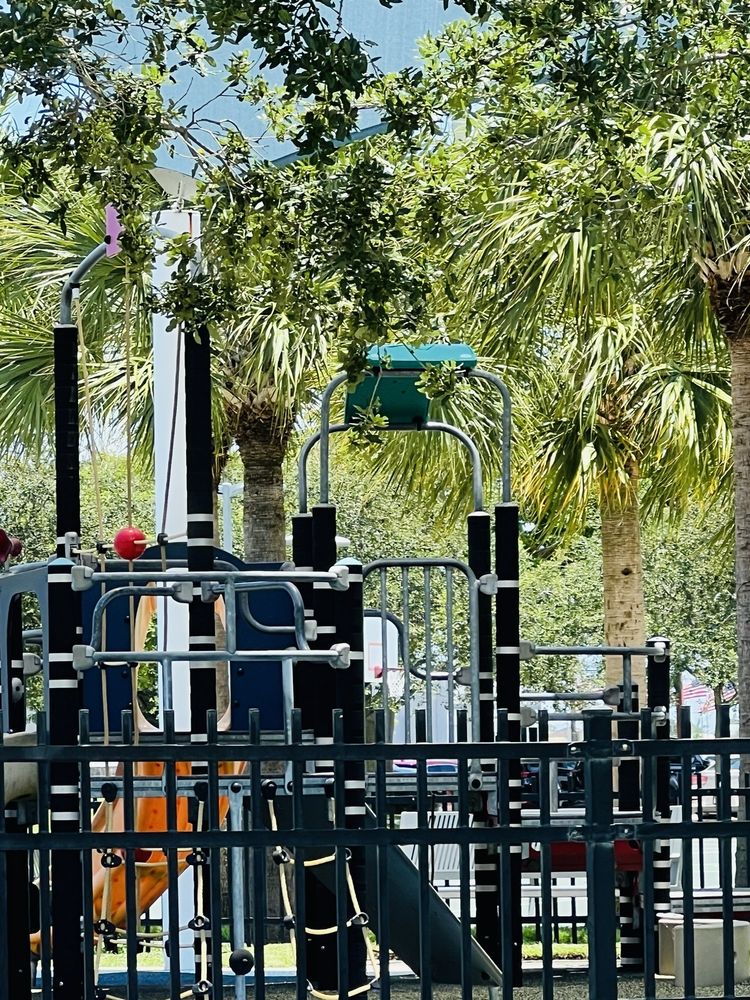
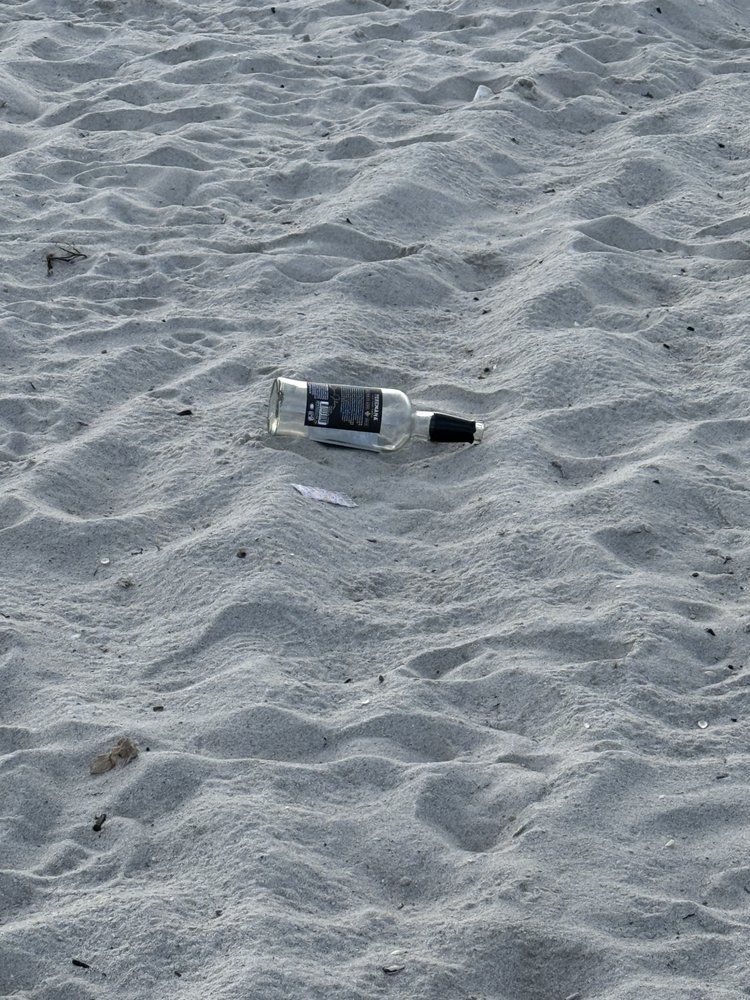
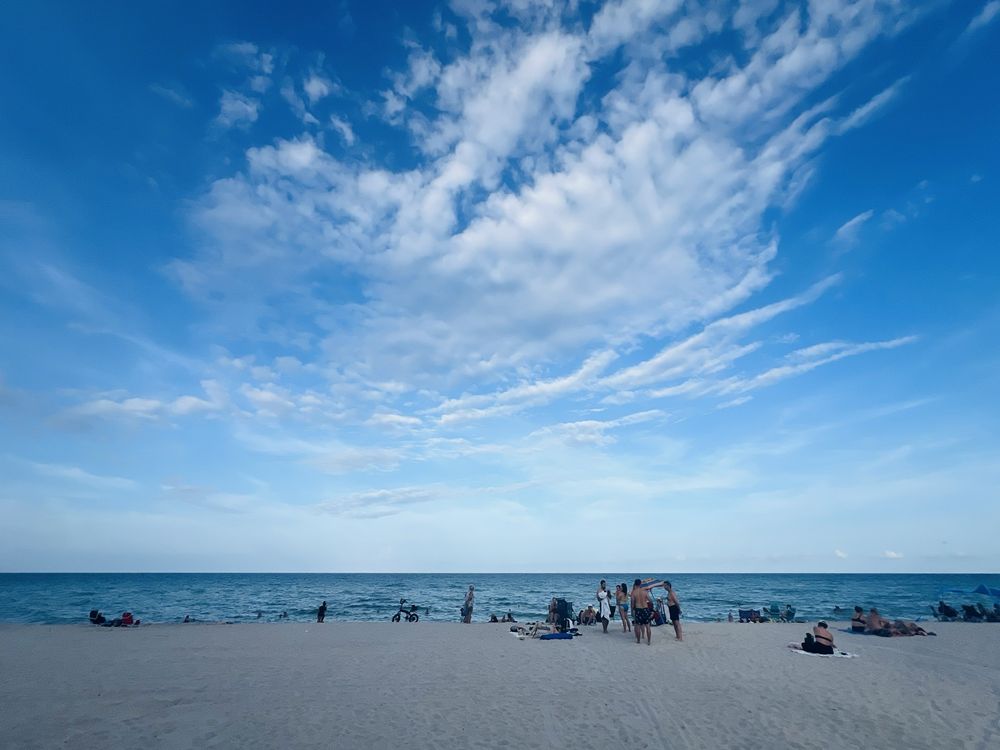
--- ## Chapter One: The Promise of Golden Sands The morning sun spilled through my bedroom window like warm honey drizzling over everything it touched, and I swear I could smell the ocean before anyone even said the words "Dog Beach." My name is Pete, I'm a puggle with fur softer than a cloud's daydream and eyes that Mom says hold "all the mischief in the universe." Today those eyes were practically bouncing out of my velvety white face, because tacked to the refrigerator with a magnet shaped like a surfboard was a note in Dad's messy handwriting: "HOLLYWOOD DOG BEACH—ADVENTURE DAY!" "Marrrrriya!" I yipped, my tail a helicopter blade of joy, "Lenny! Roman! Is it true? Are we really going?" Mom emerged from the kitchen with her coffee mug, her smile the kind that makes ordinary mornings feel like opening presents. "Pete, my little explorer, go wake your brother. The car leaves in thirty minutes." I exploded down the hallway like a furry comet, skidding into Roman's room where posters of skateboarders and galaxies covered every surface. My brother was seventeen, all lanky limbs and quiet confidence, though I knew the spots where he was still soft as marshmallow inside. He'd never admit it, but I heard him talking to his friends about how I was "the best little dude." I leaped onto his bed and performed what I call my "morning dance of urgency"—spinning, pawing, occasionally vocalizing what I can only describe as operatic yodeling. "Okay, okay, Pete," Roman laughed, his voice still gravelly with sleep but already warming with affection. He scratched behind my ears exactly where I like it, right where my velvet meets vulnerability. "We're going to the beach. Real ocean, buddy. You ready for that?" I froze. Ocean. The word suddenly loomed like a skyscraper I'd never noticed before. I'd seen water in bowls, in bathtubs, in puddles reflecting cloudy skies. But the *ocean*? That was different. That was enormous. That was deep and dark and full of things with fins and no names I knew. My tail dropped to half-mast. Roman noticed, because Roman always notices. He sat up, pulling his faded NASA t-shirt over his head, and looked at me with eyes the same brown as mine, the same brown as Dad's—a family constellation of warm dark eyes seeing each other clearly. "Hey," he said softly, "we're together, right? Whatever's out there, we're together." I pressed my nose against his palm, inhaling the familiar scent of guitar strings and graphite pencils. Together. That word was my lighthouse already, and we hadn't even left the house. Dad loaded the car with what he called "beach essentials" and what looked to me like enough supplies for a month on the moon. "Better to have it and not need it," he winked at me, securing my favorite watermelon-patterned bandana around my neck. "Pete the Puggle, official beach correspondent, reporting for duty!" "Lenny, does he need the tiny umbrella?" Mom asked, holding what was indeed a tiny umbrella, purple with yellow ducks. "He absolutely needs the tiny umbrella," Dad confirmed with the gravity of a man discussing national security. The car ride was symphony and chaos—Mom's playlist of songs about surfing and sunshine, Dad's terrible singing that he thought was excellent, Roman's headphones leaking bass lines, and me, wedged between Roman and a cooler, watching California unspool outside my window. Palm trees stood like relaxed sentinels. The air grew saltier, heavier with possibility, until suddenly there it was: the horizon line where sky dissolved into something else entirely, something blue-gray and breathing. "The Pacific Ocean!" Dad announced, as if naming a dragon we had come to befriend. My paws pressed against the window. It was bigger than big. It was bigger than any story I'd ever told myself. And I was suddenly, completely, small. But Roman's hand found my scruff, and his voice found my ear: "I've got you, little dude. Always." --- ## Chapter Two: First Contact with the Infinite The Dog Beach of Hollywood revealed itself like a painting coming alive brushstroke by brushstroke. Golden sand stretched in both directions like someone had spilled sunshine and smoothed it flat. Dogs of every size and story bounded through surf and shadow—golden retrievers with laughing eyes, bulldogs dignified despite their sand-covered snouts, a poodle in sunglasses that I suspected was more fashionable than I could ever hope to be. The air tasted of salt and sunscreen and endless summer, and somewhere someone was grilling something that made my nose forget all about my ocean anxiety. "Luna's here!" Mom exclaimed, waving to a stately figure near the volleyball nets. I followed her gaze and felt something shift in my chest, like a key turning in a lock I didn't know existed. Luna. An Italian Mastiff with a coat the color of midnight storms and eyes the amber of captured sunsets. She moved like water herself, all liquid grace and quiet power, and when her gaze found mine, I forgot how to arrange my legs properly and nearly pitched sideways into a sandcastle. "Pete!" she called, her voice a low melody, "you made it!" Roman nudged me forward with his knee, chuckling. "Go say hi, Romeo." I shot him a look that I hoped conveyed dignity and not the complete internal meltdown I was experiencing. "I was going to," I muttered, adjusting my watermelon bandana with what I imagined was casual nonchalance. Luna met me where wet sand met dry, where each wave left temporary mirrors before pulling back to sea. "The famous Pete," she said, and I couldn't tell if she was teasing. "I've heard about your storytelling. Your family says you could talk a seagull out of its lunch." "Only on Tuesdays," I managed, then immediately wanted to bury myself in sand. "I mean—it's more of a—stories are—" "Relax, little storyteller," Luna laughed, and the sound was like wind chimes made of warm copper. "The water's beautiful today. Will you swim with me?" Swim. With her. In *that*. My gaze tracked to the waves. They weren't angry, not today. They rolled in like heavy breaths, sighing against the shore. But beneath their surface—what lived there? What pulled when you kicked? What touched your paws when you couldn't see below? "I—" I started, but the word drowned in my throat, heavy as a stone. "Pete's building up to it," Roman appeared beside me, casual as summer itself, saving me without making it look like rescue. "We're doing a gradual approach. Scientific method. Very serious business." Luna's amber eyes held mine, and I saw no judgment there, only patience deeper than the ocean itself. "I'll be in the shallow part," she said. "When you're ready." She moved away, and I felt the loss like a small winter. "Roman," I whispered, "what if I'm never ready?" My brother sat in the sand, indifferent to the damp, and pulled me into his lap like he had when I was barely bigger than his two hands. "Remember when you wouldn't go down the stairs? After we moved to the new house?" I remembered. The gap between steps had yawned like a canyon. I'd stood at the top for an hour, trembling, while the family waited below with treats and encouragement and no pressure at all. "And now?" Roman prompted. "I take them three at a time," I admitted. "Because you decided to try. Not because you stopped being scared—because you tried anyway." He stood, brushing sand from his knees, and extended his hand. Which is to say, he extended his presence, his patience, his absolute certainty that I could become whoever I needed to become. "No pressure, Pete. But I'm here. Luna's here. Mom and Dad are setting up what appears to be a blanket fort of absurd proportions. The water will wait. And when you're ready—if you're ready—I'll be right beside you." I watched him walk toward the surf, tall and easy, and I thought about becoming brave not in the absence of fear but in its company. --- ## Chapter Three: The Shadow Beneath the Pier The afternoon wore on like a favorite song you never want to end. Dad built what he called "the world's most structurally unsound sandcastle" and defended its honor against wave attacks with the seriousness of a general. Mom collected shells that she swore held the ocean's secrets, pressing the best ones into my paws with whispered stories of mermaids and singing fish. Luna returned from deeper waters, shaking diamonds from her dark coat, and settled beside me where I'd established my base camp at the safe edge of wet sand. "You're a philosopher," she observed, following my gaze to where Roman floated on his back, a small human island. "Watching from the shore." "Philosopher sounds better than scaredy-puppy," I said, trying for humor, feeling it fall flat. Luna's tail swept the sand once, slowly. "Do you know what I feared when I first came to the beach?" I turned to look at her, this magnificent creature who seemed carved from confidence itself. "The sound of my own name being called across water," she said. "My first family, before I found yours through the rescue network—they'd call me, and I'd run to them, and one day we were on a dock and I jumped too fast, too eager, and the water closed over my head before I was ready. I thought—I was sure—that the ocean had swallowed my name and would never give it back." The image struck me like a wave itself, unexpected and raw. "What happened?" "A fisherman pulled me out. But the fear stayed longer than the water in my lungs." She met my eyes, and I saw in their amber depths the same current that pulled at my own heart. "I came back to the beach because my new family never stopped believing I could. Not because I stopped being afraid, Pete. Because they believed in me even when I didn't." I wanted to respond, to say something worthy of her vulnerability, but a shadow fell across us both—a long shadow stretching from the pier, where the afternoon had gathered in purple folds beneath wooden planks. "Pete!" Dad's voice, usually so buoyant, carried an edge of alarm. "Where's Roman?" I followed his pointing paw—hand, I mean, though Dad's gestures are often paw-like in their enthusiasm—to where Roman's spot in the water lay empty, the small island of his presence vanished. My heart became a stone, sinking, sinking. "He was—he was right there—" Mom stammered, her shell collection scattering forgotten. "Roman!" Dad's voice boomed across the water, but the waves answered louder, and something in their rhythm had changed, something hungrier. I ran. Past Luna's surprised bark, past Mom's reaching fingers, past the safe edge of everything I'd established that afternoon. The water hit my paws like cold hands grasping, and I ignored it. The sand dropped away beneath me, and I ignored that too. I swam—awkward, terrified, completely unpracticed—toward where I thought I'd last seen my brother. The pier loomed above, its shadow now complete darkness, and I realized with horrible clarity that I had paddled beneath it. The wooden pillars stretched like a forest of dead trees, and between them the water moved differently, secretively, and from somewhere came a sound—not Roman's voice, but something else, something that made my fur stand rigid against the cold. "Pete!" Not Roman. Deeper, older, familiar in a way that made no sense in this place of salt and shadow. A figure emerged from between two pillars, and for a moment I saw not wood and water but a silhouette from movies Dad watched on nights when he thought I was sleeping—lean face, eyes that had seen too much and loved too hard anyway, moving with the grace of someone who had outrun death so many times it had become an old acquaintance. "Charles?" I gasped, because it was, it was Charles Bronson, our family's oldest friend, emerging from the darkness like he'd never left the screen, like he'd simply walked out of one story and into ours. "Your brother's caught in the current, little Pete," he said, and his voice was gravel and grandfather clock, soothing and serious. "Follow me. Stay close. The dark doesn't own you unless you give it the deed." He moved, and I moved with him, because Charles Bronson did not offer false hope, and because the alternative was staying in this shadow alone. --- ## Chapter Four: The Current's Cold Embrace The water beneath the pier was a different creature entirely from the sun-dappled shallows where children splashed and laughed. Here, light fell in scattered pieces, broken by wooden slats above into a kind of fractured twilight that played tricks on eyes already strained with fear. I followed Charles Bronson's dark shape, my paws paddling frantically to match his effortless glide, and I tried not to think about what swam below us, what touched my paws when they dipped too deep, what the darkness hid. "Charles," I gasped, salt water stinging where it splashed my face, "how did you—why are you—" "Your family helped mine once," he said simply, not turning, his eyes fixed on something ahead. "Long story. Better story for dry land. Right now, your brother's caught on the old fishing net by the second pylon. Current's pulling him under every thirty seconds or so. He's strong, your Roman, but he's losing." The matter-of-factness in his voice steadied me more than any comfort could have. This was a problem to be solved. This was action. This was the opposite of sitting on shore, watching, waiting for courage to arrive unearned. I could see Roman now, his head surfacing in the gap between waves, his hand reaching for the pylon and finding only the slick green of algae-covered wood. Something held him below—something that gripped and tangled like the stories I'd heard about ocean monsters, though Charles called it merely "old fishing net, probably illegal, definitely dangerous." "Pete!" Roman's voice, ragged with breath and surprise. "Get back to shore!" But I was already there, already diving—diving! me, who feared wet paws!—beneath the surface where the world went silent and green and strange. The water pressed against my eyes, and I saw through blur and determination the net wound around Roman's ankle like a snake that had never learned to let go. My teeth found nylon. I pulled. I braced my paws against the pylon and pulled with everything I had, with the strength of stories I'd never told, with the love that had carried me from stairs to beach and would carry me further still. The net gave, thread by thread, and then Roman was free, surging upward, and I followed, lungs burning, into the fractured light. We broke the surface together, and I heard Charles's voice, calm as ever: "Good work, little warrior. Now the hard part—getting out from under." The hard part. Because now I saw what my fear had hidden from me before—the way back to shore wound through pillars and shadows, through water that moved with purpose I didn't understand, and the light was failing, the afternoon bleeding into evening, and the darkness that I feared more than water itself was gathering beneath the pier like a living thing. "Roman," I whispered, treading water beside my brother, "I can't—I don't—" "The dark," he understood, because he always did. "Pete, look at me. Not at it. At me." I looked. His face was pale with cold and effort, but his eyes held mine with the gravity of promises kept across years. "Remember the power outage? Last winter? You wouldn't come out from under my bed." I remembered. The absolute blackness. The way it pressed against my eyes like something trying to get in. "I sat with you," Roman said. "I stayed. I'm staying now. And I'm not leaving without you. So we go together, or we don't go." Charles materialized beside us, something in his hand—a waterproof flashlight? Some tool from his endless preparedness?—and suddenly a beam cut through the green shadow, illuminating a path, making the darkness ordinary again, just wood and water and the way home. "Stay close," he said. "Move when I move. Trust the light." And we did. The swim seemed to take years and no time at all. My paws found sand, lost it, found it again. The pillars passed like the ribs of some great beast we'd escaped from. And then—then!—the light grew, fractured into sunset oranges and pinks, and we burst from beneath the pier into the open water where Mom was wading waist-deep, screaming our names, and Dad was behind her, and Luna was launching herself through the surf to meet us. But where was Charles? I turned, but the pier's shadow held only its own darkness now, patient and ordinary. "Charles?" I called, but the name dissolved on salt air, and I wondered if I'd imagined him, if fear and hope had collaborated on a rescue that existed only in the story I needed to tell myself. Then, from the shore, a voice: "Pete! Roman! Oh my god, oh my god—" Mom's arms, Dad's voice cracking on my name, Luna's wet nose pressing against my neck as she checked me for damage, her gentle murmur: "You're safe, you're safe, you're safe." I was. We were. But as I collapsed on sand that had never felt so solid, so impossibly generous, I looked back at the pier and saw, just for a moment, a silhouette raise one hand in farewell before dissolving into evening. --- ## Chapter Five: The Gathering Dark The bonfire someone had built while we were gone—while we were beneath, while we were almost lost—burned now with the cheerful violence of celebration, but I couldn't shake the chill that had settled somewhere between my shoulder blades, a cold that the fire's warmth couldn't reach. We were wrapped in towels that Mom had produced from her apparently bottomless beach bag, sipping something hot that Dad had acquired through means I didn't want to examine too closely, and yet. "Pete," Luna pressed against my side, her bulk a comfort I hadn't known I needed, "what happened under there? You went in after Roman. I saw. I couldn't—I didn't—" "I was scared," I said, because it was true, because it was always true, because courage wasn't the absence of fear but this, exactly this: speaking it aloud. "I'm always scared. The water, the dark, the being alone. All of it. I'm scared right now." Roman's laugh was soft, surprised. "You're shaking like a leaf, little dude. And you still came for me." "You'd have done the same." "I'd have wanted to. Doesn't mean I wouldn't have been scared too." The fire popped, sending sparks climbing like small prayers into the darkening sky. And it was dark now, truly dark, the sunset surrendered to stars I could barely see through the bonfire's competing glow. I thought of Charles, of his flashlight cutting through green shadows, and I wondered if the stories we told about bravery had any connection to the ordinary terror of actually living through the moments that required it. "Where did he go?" I asked, not really expecting answer. Mom and Dad exchanged glances, that language of parents who know things children haven't learned yet. "Charles?" Dad said slowly. "He was here, Pete. Before you went in. He was watching from the pier. Said he'd keep an eye out. And then—" "And then you went under, and he went after," Mom finished. "We didn't see him after that. We were so focused on you two—" "He saved us," I insisted. "He was there. In the water. He led us out." Luna's amber eyes caught firelight and held it. "Some people," she said quietly, "are like that. Present when you need them, even if you can't explain why or how. The world has room for mystery, Pete. Especially for those who deserve it." I wanted to believe her. I wanted to believe in a world where help arrived exactly when needed, where courage was recognized, where the darkness under piers held not monsters but friends with flashlights and gravel voices. But the night was deepening, and with it came all the fears I thought I'd left in the water: the separation from family, the alone-in-darkness, the absolute certainty that I was small and the world was large and indifferent. "I'm tired," I admitted, and it felt like admitting everything. "Rest," Roman said, and his arm came around me, familiar as my own heartbeat. "I'll stay awake. I'll watch." "But what if—" I started, and couldn't finish. What if you leave? What if the dark wins? What if I'm not brave enough for whatever comes next? "What if," Luna echoed, settling on my other side, her warmth a wall against the cooling air, "you're not alone? What if that's enough, for now?" It was. It had to be. I let my eyes close, let the fire's song and my family's breathing lull me toward something like peace, toward the belief that morning would come and with it new chances at all the fears I hadn't yet conquered. But morning was far, and the night held tests I couldn't have imagined. --- ## Chapter Six: Lost and Found in Starlight I woke to silence where there should have been breathing, to emptiness where there should have been warmth. The fire had dimmed to embers, and beyond its feeble circle, the beach stretched empty in all directions. No Roman. No Luna. No Mom or Dad or anyone at all. "Hello?" My voice emerged small, puppy-small, the size I'd been when everything felt new and frightening and I couldn't imagine ever growing into courage. The stars answered with indifferent brilliance. The ocean answered with its eternal, indifferent breathing. And somewhere, far too close, something moved in the darkness where the sand met the scrubby dunes. "Roman?" I tried again, and heard only my own heartbeat, too fast, too loud, announcing my location to anything that hunted lost puppies in the Hollywood night. The separation hit me then like a physical blow. All my life, my family had been the constant, the gravity that held my small orbit. To lose them, even temporarily, even in dreams that felt too real, was to lose the shape of myself. Who was Pete without Lenny's terrible jokes, Mariya's patient magic, Roman's steady presence? Who was I without witnesses to my becoming? I stood on trembling legs, and I chose. Chose to move, to search, to not wait helpless for rescue that might never come. The sand dragged at my paws, each step an effort, and the darkness pressed against my eyes like something alive, something curious and hungry. "Pete." The voice came from everywhere and nowhere, and for a moment I thought it was Charles, returned from wherever he'd vanished, but then I saw her: Luna, emerging from between dunes like she'd been born from moonlight itself, her dark coat silvered by starlight, her eyes finding mine with absolute recognition. "They're looking for you," she said. "Your family. They woke, found you gone—there was confusion, someone thought they saw you near the water, everyone scattered searching. I came this way because—" she paused, and I saw something vulnerable in her usually composed demeanor, "because I knew where you'd be. Where fear would take you." "To the water?" I asked, though I was already moving toward it, drawn by some terrible gravity. "To the edge of yourself," she corrected, falling into step beside me. "Where you always go when you're most afraid. The boundary between what you know and what you might become." The ocean waited, patient as always, and I felt the old terror rise—of depth, of darkness, of being swallowed by something larger than myself. But stronger now, newly forged, was something else: the memory of diving, of pulling, of surviving. I had become someone who acted despite fear. Could I become someone who chose to enter fear's domain voluntarily? "Luna," I said, and my voice only shook a little, "I need to find them. And I think—I think the water is where I'll find—" I didn't finish, because the ocean answered, and it was not the ocean at all but Roman's voice, calling my name from somewhere beyond the breakers, and without conscious decision I was running, lunging, swimming—swimming!—into the dark water, Luna beside me, both of us powered by need and love and the absolute refusal to lose what we'd finally found. The water was cold, dark, everything I'd feared. And I was in it, through it, beyond it. I broke the surface to find Roman treading water, exhausted, and beyond him Mom and Dad in a small boat that materialized like the best kind of dream, and Charles Bronson at its helm, because of course he was, because some stories require certain characters to complete their meaning. "Pete," Charles said, and his smile was sunrise breaking over mountains, "you just keep surprising yourself, don't you?" --- ## Chapter Seven: The Rescue and the Rescuer The boat—small, weathered, impossibly present—rocked gently as I scrambled aboard, Luna boosting me from behind with her shoulder, Roman following with the last of his strength. Mom's arms encircled me immediately, and I felt her tears hot against my fur, heard Dad's voice cracked with relief saying things that would embarrass him later, and through it all, Charles Bronson piloted us toward shore with the calm competence of someone who had done this a thousand times in a thousand dreams. "How?" I managed, when Mom's grip loosened enough for speech. "How?" Charles echoed, and his laugh was smoke and old movies and the particular warmth of autumn afternoons. "Little Pete, you're asking how a friend with a boat happens to be where friends need him? You're asking how a story works?" "Stories have rules," I insisted, because I was a storyteller, because this mattered. "Stories have hearts," he corrected gently. "And hearts have ways of finding each other. Your family helped mine once. Your father drove my daughter to the hospital when she was in labor with my first grandchild. Your mother sat with my wife through her cancer treatments, made her laugh on days when laughter seemed impossible. You think I wouldn't be watching? You think I'd let the ocean take what I owed?" The shore approached, golden again even in darkness, and I saw that lights had appeared, other beachgoers drawn by commotion, a small crowd forming that parted as we landed, that helped us from the boat, that wrapped us in blankets and concern and the particular solidarity of people who've witnessed something together. "Roman," I turned to my brother, who stood shivering but upright, supported by Dad's arm and his own stubbornness, "you were in the water. Why?" He knelt, bringing our eyes level, and I saw in his face the same journey I'd traveled: fear faced, fear overcome, the transformation of scared into something else entirely. "I thought I saw you," he said. "Walking into the water. I followed. It wasn't you, I know that now, but—I followed. And then I was caught, and then you came, and then—" he laughed, shaking his head, "and then the story gets strange, and I'm too tired to understand it yet." "Later," Mom said firmly, steering us both toward where emergency personnel had appeared with warm vehicles and professional concern. "Explanations later. Gratitude now. For everyone. For everything." Luna pressed against my side, and I leaned into her warmth, this elegant creature who had followed me into darkness and water and back again. "You came with me," I said, wondering. "Someone had to make sure the storyteller survived," she said, but her voice was soft, and when I turned to look at her, her amber eyes held something I dared to hope was the same feeling that fluttered in my own chest, small and terrified and absolutely real. --- ## Chapter Eight: Morning Light, New Stories We gathered the next morning where the beach met a small cliff, where someone had arranged driftwood seats around a fire pit that held only ashes now, morning-cold. The official story, the one the adults told each other with serious faces and grateful handshakes, was that we'd gotten turned around in the dark, that we'd been lucky, that the ocean was dangerous and families needed to stay together and maybe the Dog Beach of Hollywood wasn't quite the innocent playground it appeared. But we knew—the children and animals, the dreamers and storytellers—we knew there was more to tell, and so we told it, Luna and Roman and I, while Mom and Dad listened with the particular attention of people who understood that some truths live in stories more comfortably than in facts. "The darkness under the pier," I said, "wasn't just darkness. It was everything I was afraid of, everything I'm still afraid of. The deep water. Being alone. Being small in a big world that doesn't promise to care about you." "But you went in anyway," Luna said. It wasn't quite a question. "I went in because Roman was there. Because love was bigger than fear, even if fear was still there too." I paused, feeling the truth of it settle into my bones like knowledge I'd always carried but only now recognized. "I don't think courage is being unafraid. I think it's being afraid and choosing to move anyway. Choosing to trust that the light will find you, or that you'll find the light, or that—" I struggled with the words, "that the darkness itself isn't the enemy. That it's just... where some things grow. Where some stories begin." Roman picked up a handful of sand, let it sift through his fingers. "I was scared too," he admitted to the morning. "When I thought Pete was in the water. When I followed. I didn't think about being brave. I just... moved. Because he matters. Because family matters. And somehow that mattering was stronger than anything else." "Charles," Mom said softly, and we all looked at the empty space where he might have sat, where perhaps in some version of this story he still sat, solid and smiling. "He told us once that the reason he kept working, kept making those movies where he played the same kind of hero over and over, was because he believed in the repetition of rescue. That if he showed people being saved often enough, eventually they'd believe they deserved to be saved. Eventually they'd help save each other." "And he saved us," I said. "Or helped us save ourselves. Both, maybe. The story doesn't have to choose." Dad stood, stretched, looked out at the ocean that had nearly taken us and now glittered innocently in morning sun, as if it had never held darkness, never pulled at legs and lungs and hope. "What now?" he asked. "For Pete the Puggle, beach conqueror? For our family?" I looked at Luna, and she looked back, and something passed between us that would require its own story, its own careful telling, but for now settled into comfortable possibility. "Now," I said, "I think I'd like to try the water again. In daylight. With all of you. And maybe—" I glanced at Luna, feeling brave in a new way, a sweeter way, "maybe with someone to swim beside me." The ocean waited, patient as stories, and we approached it together: Mom with her shell-collecting bag, Dad with his terrible confidence in terrible sandcastles, Roman with his steady presence that asked nothing and gave everything, Luna with her grace that made even my awkwardness feel like part of a larger dance, and me, Pete, small and scared and brave enough for all of it. The water touched my paws, and I let it, feeling the old fear rise and then, seeing my family around me, seeing Luna's encouraging nod, feeling the sun warm on my back and the sand firm beneath my feet, feeling all of this, I let the fear be just a feeling, just information, just one note in the larger symphony of a life I was choosing to live fully. I waded deeper. The water rose to my chest, cool and strange and survivable. I paddled, awkward and real, and Luna was there, swimming circles around me, her dark head gleaming, and Roman was there, floating on his back, and the pier in daylight was just weathered wood and fishing line, and the darkness was just the absence of light, nothing more, and I was Pete the Puggle, storyteller, adventurer, scared and brave and loved and loving, and that was enough, that was everything, that was the whole story, for now, for always, until the next adventure called. "I love you all," I said, because some truths deserve direct statement, because the water had taught me that some things can't be metaphor, must be named. "We know, little dude," Roman said, splashing me gently, "we know." And the waves, and the sun, and the endless, generous sky: they knew too. They had always known. They were waiting, patient, for us to finally believe it. *** The End ***
Use these buttons to read the story aloud:



No comments:
Post a Comment