"***Pete's Petal-Powered Courage: A Brooklyn Botanic Garden Adventure***"🐾
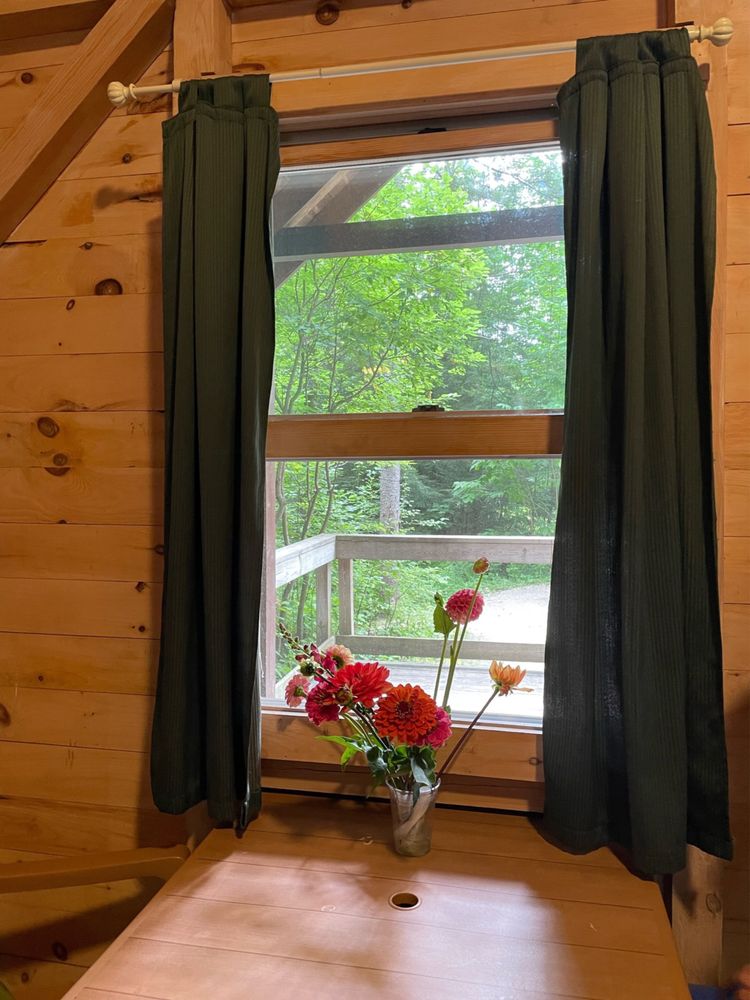
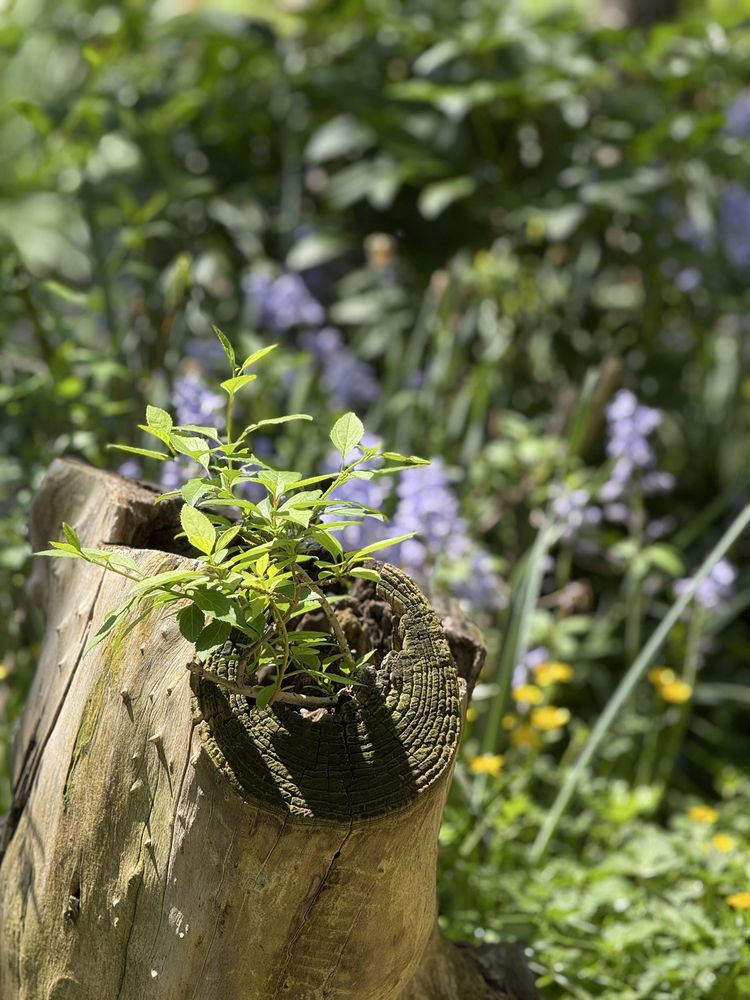
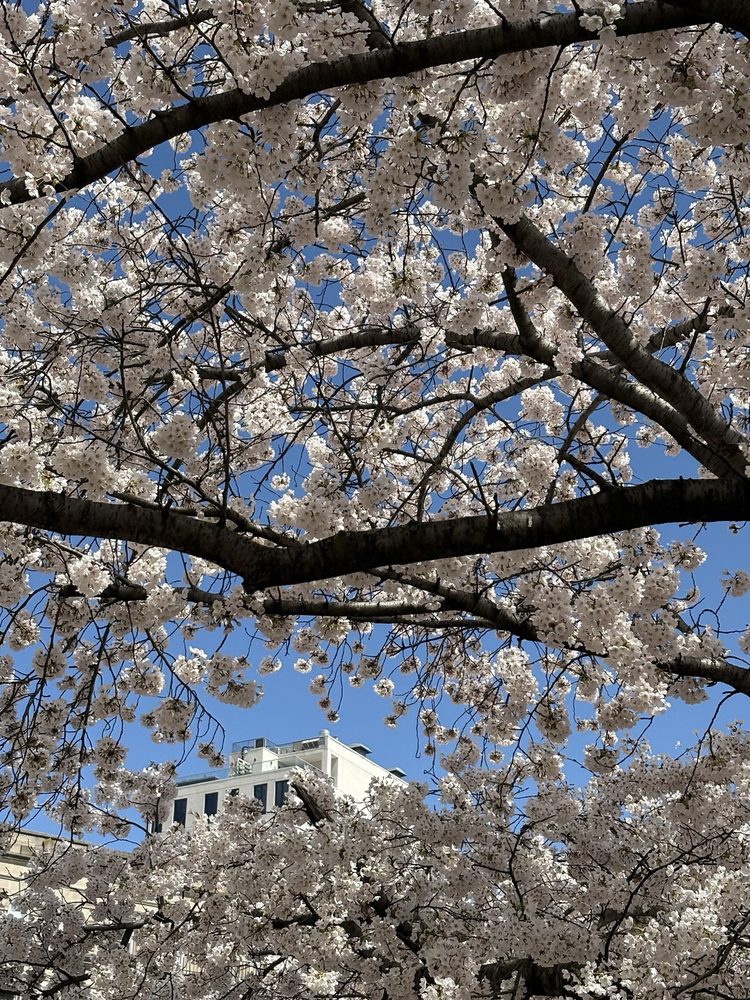
--- **Chapter One: The Morning of Marvelous Possibility** The first tendrils of sunlight stretched across the cozy Brooklyn brownstone like golden fingers reaching through linen curtains, and Pete the Puggle stirred from his plush bed—a nest of worn flannel shirts that smelled of cinnamon toast and Dad's aftershave. His velvety white fur, usually rumpled into adorable chaos by morning dreams, stood particularly askew today, giving him the appearance of a tiny, enthusiastic scientist who'd just stuck his paw in an electrical socket. "Roman!" Pete barked, his voice still scratchy with sleep, his tail thumping a drumbeat against the hardwood floor. "Roman, wake up! Today's the day! The Botanic Garden day!" From down the hallway, Pete heard the familiar shuffle of his older brother's feet—those size-eleven vessels of adventure that had carried them through countless pillow forts, midnight kitchen raids, and one particularly memorable "expedition" to the mysterious realm behind the washing machine. "Pete, it's six in the morning," Roman mumbled, appearing in the doorway with pillow creases still embossed on his cheek, his dark hair defying gravity in spectacular fashion. "The garden doesn't even open until—" "But the *butterflies* don't know that," Pete interrupted, his brown eyes—those pools of liquid warmth ringed with darker pigment that made him look perpetually, wonderfully surprised—somehow widening further. "What if they wake up early? What if they need directions? What if—" "—what if you let a guy get his beauty sleep?" came Dad's voice from the kitchen, though Pete could hear the smile in it, could practically *taste* the pancakes already sizzling on the griddle. Lenny, with his perpetual five-o'clock shadow and hands that could fix anything from a broken toy train to a broken heart, appeared behind Roman, scooping Pete up with the practiced ease of a man who'd done this a thousand mornings and would do it a thousand thousand more. "Easy there, little explorer. Gardens have been around for millions of years. I think they'll wait for us." Pete squirmed in his father's grip, not from discomfort but from the sheer, uncontainable energy that fizzed through him like soda bubbles. "But Dad, what about the—" "The Japanese Hill-and-Pond Garden? Yes, Pete, we're going. The cherry esplanade? Yes, Pete. The conservatory with the tropical—" "The *butterflies*," Pete breathed, and something in his voice made both his father and brother pause. Because beneath the excitement, trembling like a leaf in an autumn breeze, was something else. Something that made his velvety ears press flat against his skull for just a moment before springing back to attention. Mariya appeared then, as if summoned by the subtle shift in the room's energy, her reading glasses perched on her nose, her robe patterned with constellations that Pete had memorized during late-night nursing sessions and feverish cuddles. She didn't miss the tremor in her youngest son's voice, the way his paws clutched just a fraction tighter at Lenny's collar. "Petya," she said, using the Russian diminutive that made Pete feel simultaneously smaller and infinitely more loved, "come help me pack the adventure satchel. I need your expert opinion on snack allocation." And just like that, with the magic that mothers wield like ancient sorcery, the moment's tension dispersed. Pete trotted after her, his claws clicking a Morse code of anticipation on the tile, already mentally composing his packing list: trail mix (the good kind with chocolate chips), his lucky bandana (the blue one with tiny sailboats), and most importantly, his courage. Because Pete knew, with the instinctive wisdom that sometimes visits even the youngest hearts, that today would require courage in quantities he wasn't sure he possessed. The satchel packed—Pete had successfully argued for three extra granola bars and his emergency squeaky carrot—Pete found himself at the front window, watching their quiet Brooklyn street come alive. A cat sauntered past their stoop, orange and magnificent, and Pete pressed his nose to the glass, leaving a small fog circle of wonder. "That's Tom," Roman said, joining him, following his gaze. "From the Tom and Jerry cartoon? He's real, you know. I've seen him around the neighborhood." "Real?" Pete whispered, the word barely a breath against the windowpane. "Real as you and me," Roman confirmed, ruffling the fur between Pete's ears with a tenderness that belied his older-brother nonchalance. "Maybe you'll meet him today. Maybe..." Roman's voice dropped to a conspiratorial whisper, "maybe he's got adventures of his own." Pete's tail wagged so hard his whole hindquarters swayed, a furry metronome of hope. The morning sun climbed higher, gilding the dust motes dancing in their living room, and Pete felt, for a moment, perfectly, impossibly blessed. The fear that had flickered earlier—that dark whisper about water and separation and things that went bump in the heart—seemed very far away indeed. "Family meeting!" Lenny announced, clapping his hands with the enthusiasm of a camp counselor who'd never quite grown out of being one. "Botanic Garden Expedition, assemble!" And assemble they did: Mariya with her practical shoes and her eyes that missed nothing, Lenny with his Dad-joke arsenal and his phone already loaded with garden maps, Roman with his too-cool-for-school slouch that couldn't quite hide his own excitement, and Pete—small, white, velvety Pete—with his heart hammering a rhythm between joy and something else, something he couldn't yet name. The subway ride passed in a blur of strangers' knees and the particular thunder of underground travel. Pete sat on Mariya's lap, her hand making slow, hypnotic circles on his back, while Roman and Lenny debated optimal garden navigation strategies. "Left at the visitor center, straight past the rock garden—" "Dad, that's the *long* way. If we cut through the native flora section—" "Roman, your mother wants to see the roses—" "I want to see whatever Petya wants to see," Mariya interrupted, her voice carrying the weight of ancient forests and new beginnings. "This is his adventure too." Pete's chest swelled with a feeling too big for his small frame, a balloon of gratitude and terror intertwined. He thought of butterflies with their paper-thin wings, of koi fish gliding through dark water like living jewels, of the way the world opened up when you let it, if only you were brave enough to step through the door. The Botanic Garden rose before them like a dream made manifest: gates of wrought iron twisted into organic shapes, beyond which lay acres of cultivated wonder, of human patience and natural beauty locked in their eternal, exquisite dance. Pete's paws touched pavement, then grass, and he inhaled a universe of green growing things, of chlorophyll and poetry, of possibility itself. "Welcome," a voice purred, "to the beginning of everything." Pete startled, his fur bristling along his spine, to find the orange cat from their street—Tom, Roman had called him—sitting with impossible nonchalance beside a planter of marigolds. Beside him, almost invisible in the dappled shade, crouched a small brown mouse with ears like satellite dishes and eyes that held galaxies of mischief. "Tom," the cat continued, grooming a paw with deliberate casualness, "and this is Jerry. We've been expecting you, Pete. We've been expecting all of you." Jerry chittered something that might have been agreement or might have been commentary on Tom's dramatics, but Pete heard none of it. Because beyond Tom's orange magnificence, beyond Jerry's trembling whiskers, lay the garden proper—and with it, the first whisper of water, dark and cool and utterly terrifying. Pete's courage, so carefully packed, threatened to spill out onto the path like loose change from a torn pocket. --- **Chapter Two: The Hill-and-Pond Garden and the First Test** The Japanese Hill-and-Pond Garden materialized before them like a painting stepped out of its frame: rolling hills dressed in emerald moss, stone lanterns wearing caps of lichen, bridges arching over water the color of ancient jade. Pete's paws froze at the garden's threshold, his nails making small scratching sounds against the gravel as if seeking purchase on a world that suddenly seemed to tilt. "Petya?" Mariya's voice, that river of warmth that had carried him through fevers and nightmares and the particular loneliness of being the smallest in a world built for bigger creatures. "What do you see, my heart?" What did he see? He saw water. Water that stretched like a dark mirror, water that held the sky's reflection as if swallowing it whole, water that whispered of depths and cold and the terrible, beautiful mystery of what lay beneath. He saw bridges—narrow, rail-less bridges that demanded trust of legs too short and a heart too full of fluttering panic. "I see—" Pete began, and his voice emerged as barely a whisper, a leaf blown from a autumn branch. "—you see adventure," Roman finished, dropping to his knees beside his brother with a grace that belied his teenage limbs. "Remember the washing machine, Pete? Remember how scary it was? And then remember how we faced it together?" Pete remembered. The washing machine had been a monster of churning and thunder, but together they had tamed it, had loaded it with colors and whites and emerged victorious with the warmest laundry pile this side of Prospect Park. "But this is *bigger*," Pete whispered, and his tail curled between his legs, a white flag of surrender. Tom sauntered forward, his orange coat catching the dappled sunlight like a living flame. "Bigger," the cat agreed, his voice a rumble of distant thunder, "but not insurmountable. I was terrified of water once, you know." "You?" Pete's eyes widened, disbelief momentarily trumping fear. "But you're so—so—" "Magnificent? Devastatingly handsome? Yes," Tom preened, then sobered, his green eyes catching the light like peridots. "But once, I was a kitten in an alley during a storm. The water rose, and I climbed, and I shook, and I *survived*. Fear doesn't negate courage, little one. Fear *defines* it." Jerry, perched on Tom's shoulder like a living brooch, squeaked what was clearly an important addition. Tom translated with the patience of long practice: "Jerry says courage isn't the absence of fear. It's the decision that something else matters more." Pete considered this, his small chest rising and falling with breaths that gradually slowed from panic to something resembling determination. He looked at his family—Lenny's encouraging nod, Mariya's patient love, Roman's outstretched hand—and felt something shift, like tectonic plates of the soul rearranging themselves into new, stronger configurations. "Okay," he said, and the word tasted of growing things, of bravery budded in darkness and reaching toward light. "Okay. Let's—let's try the bridge." The bridge was worse up close. Its wooden planks were weathered to silver, gaps between them showing water that moved with vegetal patience, that reached up with liquid fingers to claim whatever ventured too near. Pete's first step was a trembling thing, his claws extended for purchase that never quite materialized. "One foot in front of the other," Lenny coached from behind, his voice the steady beat of a metronome, a father's love made audible. "You've got this, buddy. You've always had this." Pete's second step found solid wood. His third, firmer still. The fourth brought him to the bridge's center, where the world opened in all directions—the water's dark mystery below, the sky's infinite blue above, the garden's curated wildness surrounding him like an embrace. He stood there, trembling but upright, and felt something extraordinary: his fear didn't disappear, but it *transformed*, becoming not an enemy to defeat but a companion to acknowledge, a shadow that proved the light existed. "I did it," he breathed, and the words carried the weight of revelation. "I'm *doing* it." And then—disaster. Or what seemed like disaster, in the form of a dragonfly the size of a small helicopter, its wings iridescent blurs of indigo and emerald, its trajectory aimed directly at Pete's sensitive nose. Pete startled, his balance betraying him, and for one eternal moment he teetered on the bridge's edge, the water reaching up with dark welcome— "PETE!" Roman's hand closed around his scruff with the precision of desperate love, yanking him back from the precipice. They collapsed together on the bridge's center, brother and brother, heart hammering against heart, the dragonfly long gone on its own inscrutable errands. "You're safe," Roman whispered, his voice cracking like a boy's and deep like a man's, all at once. "I've got you. I've always got you." Pete burrowed into his brother's chest, smelling the familiar scent of deodorant and determination, feeling the thunder of Roman's heart gradually slow to match his own. When he finally looked up, Tom and Jerry had joined them on the bridge's far side, the cat's tail twitching with barely-suppressed emotion, the mouse's whiskers trembling with shared relief. "That," Tom said, his voice uncharacteristically soft, "was magnificently brave. Both of you. The facing of fear, and the saving from it." Jerry added something that Tom didn't bother translating, but the mouse's eyes said enough: *family*, they seemed to say. *This is what family means.* They completed the crossing together, Pete's paws finding surer purchase with each step, until the far bank rose to meet them like the shore of a new world. Behind them, the pond lay peaceful and undisturbed, its surface unbroken save for the kiss of a falling cherry blossom, pink and temporary and perfect. --- **Chapter Three: The Cherry Esplanade and the Gathering Dark** The cherry esplanade stretched before them like a corridor of clouds brought to earth, the trees in full blossom creating a canopy of palest pink that filtered the sunlight into something holy, something from a dream of spring that refused to end. Pete walked beneath it in a daze of wonder, his earlier fear not forgotten but folded into something else, something that made the memory precious rather than paralyzing. "Mom," he said, tugging at Mariya's sleeve with gentle insistence, "tell me again about the cherry blossoms. About why they matter." Mariya smiled, that expression that transformed her face from merely beautiful to absolutely radiant, and gathered Pete close. "In Japan," she began, her voice taking on the cadence of story, of magic made mundane and therefore more magical still, "they call it *mono no aware*—the pathos of things. The understanding that everything beautiful is temporary, and that this temporary nature is what makes it beautiful at all." "That's sad," Pete said, his brow furrowing. "That's *life*," Lenny corrected gently, joining them, his hand finding Mariya's with the unconscious intimacy of long partnership. "The cherry blossoms know they're going to fall. They fall anyway, and in their falling, they create something new—carpets of pink for us to walk on, compost for next year's growth, memories that outlast the season." Pete considered this, watching a petal detach from its branch and spiral downward in a dance of absolute surrender. He thought of his fear by the pond, how it had felt like falling, and how Roman's hand had been there to catch him. Was that *mono no aware* too? The beautiful risk of trust, the courage to fall knowing someone would rise to meet you? "Company halt!" Roman announced, striking a pose that somehow combined military precision with dramatic theater. "This recruit requests permission to engage in—" he checked a nonexistent watch, "—picnic operations. Over." "Permission granted, soldier," Lenny laughed, spreading the blanket Mariya produced from the satchel with the flourish of a magician revealing his greatest trick. The picnic was a symphony of crinkling wrappers and shared laughter, of sandwiches cut into triangles because Mariya insisted they tasted better that way, of Lenny's terrible puns that made Roman groan and Pete giggle with the particular delight of a child who finds his parent's humor genuinely hilarious. Tom and Jerry joined them, the cat's dignity momentarily compromised by a dropped piece of turkey, the mouse's cheeks stuffed to comic proportions with cracker crumbs. It was perfect. It was *temporary*. Pete noticed the clouds first—how they gathered at the esplanade's far end like mourners at a funeral, gray and heavy with unshed rain. The temperature dropped degree by degree, and the cherry blossoms began to tremble, not from any wind Pete could feel, but from some atmospheric pressure change that spoke of distant storms. "We should head back," Lenny said, his casual tone not quite masking the concern in his eyes. "Storm's coming in faster than predicted." They packed with hurried efficiency, the blanket folded into imperfect squares, the trash gathered with less thoroughness than Mariya typically tolerated. Pete felt the first raindrop like a cold kiss on his nose, and then the sky opened with the sudden violence of a slammed door. The world became water. Water from above, water from suddenly activated sprinklers, water rising in the garden's carefully designed drainage systems until the paths ran with streams of mud and blossom. Pete's fur, never quite waterproof, plastered to his body in seconds, transforming him from a magnificent white creature to a bedraggled rat of a dog. "Roman!" he cried, but the rain swallowed his voice, and when he reached for his brother's hand, he found only empty air. "Roman! Mom! Dad!" The cherry trees, so recently a corridor of beauty, had become a labyrinth of blinding rain and disorienting pink. Pete stumbled forward, his paws slipping on mud-slick paths, his heart hammering against his ribs like a creature trying to escape. Every direction looked the same, every path led to more water, more fear, more of the dark whisper that had been waiting for him all along. "Tom!" he called. "Jerry! Please—" Silence answered, broken only by rain's relentless percussion. Pete found himself at the esplanade's edge, where a temporary stream had formed, carrying cherry blossoms like tiny pink boats toward the garden's lower reaches. Beyond it, through the curtains of rain, he thought he saw movement—orange, and small brown, and maybe, just maybe, the familiar shapes of his family. "Mom!" he tried again, and his voice emerged braver than he felt, a small light against overwhelming dark. "I'm here! I'm—I'm scared, but I'm here!" The stream widened, chuckled, invited. Pete remembered the pond's dark water, how it had reached for him with liquid fingers. This was worse—this was moving water, hungry water, water that would carry him who-knew-where if he dared to enter. But beyond it lay his family, or the possibility of them, and suddenly Pete understood something that would stay with him always: Courage wasn't about not being afraid. It was about being afraid and moving anyway. He gathered himself, his small muscles tensing, his heart a drum solo of terror and determination. The stream waited, indifferent. The rain fell, impartial. And Pete—small, white, velvety Pete, who had never asked to be brave—leaped. --- **Chapter Four: The Torrent and the Transformation** The water was cold. That was Pete's first thought, shockingly immediate: colder than anything he'd imagined, a cold that reached through his fur and his skin and wrapped around his bones like chains of ice. His paws scrabbled for purchase on the streambed, finding only smooth stones and slippery sediment, and for a moment he was entirely submerged, the world above reduced to a shimmering, unreachable surface. *No*, he thought, and the word was a fire in his chest, a refusal to become another blossom carried to oblivion. *No, not like this. Not without trying.* He kicked. He kicked with the desperation of a creature who had everything to lose, and his head broke the surface, gasping, the rain striking his face like a thousand tiny slaps. The current carried him, spun him, showed him glimpses of garden features transformed by flood—benches become islands, paths become rivers, the whole cultivated world returned to something wild and ancient and utterly indifferent to his small life. But he was *swimming*. Terribly, imperfectly, with water in his ears and his eyes and his desperate, gasping mouth, but swimming nonetheless. Each stroke was a revolution against the fear that had defined him, each breath a declaration that he was still here, still fighting, still *Pete* in a world that would wash him away without malice or meaning. "Pete!" The voice came from somewhere upstream, strained and terrified and absolutely, irreplaceably Roman's. "PETE!" "Here!" Pete tried to call, but the water filled his mouth, and what emerged was more cough than word, more survival than speech. He saw them then, gathered on a small rise that had become an island in the deluge: his family, Tom's orange coat darkened to rust, Jerry a small brown spot of impossible resilience clinging to the cat's shoulder. Roman was in the water, had *been* in the water, Lenny's hand gripping his shirt collar as the boy strained toward his brother with desperate love. "Pete, swim! Swim to us!" And Pete did. He swam not with any great skill but with something greater—*will*, the force that moves mountains and mothers and small white dogs who refuse to be drowned. The current fought him every stroke, offered him oblivion with every gasping breath, and he refused, refused, *refused*. Roman's hands closed around him with the strength of salvation, hauling him onto the rise's scant comfort. They collapsed together, brother and brother, human and dog, wet and shaking and more alive than they'd ever been. "You're okay," Roman kept saying, his face wet with rain or tears, impossible to distinguish. "You're okay, you're okay, you're *okay*." "I was so scared," Pete gasped, the words torn from him like confession, like prayer. "The water, Roman, the water was—" "I know," Roman whispered. "I know, Pete. I was scared too. I am scared. But we're here. We're together." They huddled on their island as the storm began, finally, to pass, the rain softening from violence to suggestion, the clouds tearing apart to reveal patches of blue like hope made visible. Tom and Jerry joined their huddle, the cat's usual magnificence utterly destroyed by wet fur, his dignity somehow intact despite appearances. "That," Tom purred, his voice rough with emotion, "was the bravest thing I have ever witnessed. And I have witnessed Jerry taunting dogs three times his size." Jerry chittered something that might have been agreement, might have been modesty, his small form pressed against Pete's side with the warmth of shared survival. Lenny's phone, miraculously still functional in a waterproof case, buzzed with weather alerts and increasingly frantic messages from Mariya, who had been swept to a different rise during the chaos, separated by the caprice of flood. "Your mother," he said, his voice thick with relief and lingering terror, "is safe. North of us, by the native flora garden. We're to—" he checked the message, "—meet her at the conservatory. The storm's breaking." They set off through the transformed garden, every step an adventure in a landscape become alien. The water was receding, leaving behind debris of blossom and branch, the garden's beauty not destroyed but *revealed* in new configurations, like a face without makeup showing its true, honest structure. Pete walked between Roman's legs, too tired for his usual independence, and felt his brother's hand occasionally brush his back with the constancy of a heartbeat. They didn't speak of the stream, of the moment when everything could have ended differently. They didn't need to. Some communications exist beyond language, in the realm of touch and presence and the silent vow of *I am here, I am here, I am here.* --- **Chapter Five: The Conservatory of Second Chances** The Steinhardt Conservatory rose before them like a cathedral of glass and hope, its tropical humidity visible in the misting systems' gentle exhalations. Mariya waited at its entrance, her constellation robe replaced by a borrowed garden poncho, her hair plastered to her skull in a way that somehow made her look more regal, more *maternal*, than Pete had ever seen. "Petya," she breathed, and then he was in her arms, being held with a ferocity that spoke of mothers and sons and the particular miracle of finding each other after separation. She smelled of rain and relief and the particular perfume she'd worn since Pete could remember, and he buried his face in her neck and let himself, finally, cry. "Mom," he gasped, "I was so scared. The water, and I couldn't find you, and—" "Shh," she murmured, the ancient sound of comfort, of *I am here and you are safe and the world continues*. "Shh, my heart. I know. I was scared too. But look—" she held him back, her hands framing his small face with infinite gentleness, "—look how brave you were. Look how brave you *are*." They entered the conservatory together, the tropical warmth wrapping around them like a blanket fresh from the dryer. Here, in this controlled wilderness of orchid and fern, of bromeliad and begonia, the storm seemed distant as a bad dream, its power dissipated by glass and heating systems and the enduring human determination to cultivate beauty against all odds. The Butterfly Conservatory—Pete had been waiting for this, had held it before him like a talisman through every terror, and now it opened before them with the particular magic of delayed gratification made immediate. Hundreds of butterflies filled the air, their wings creating a living kaleidoscope, a breathing stained-glass window, a poem written in motion and color. Pete's breath caught. His earlier fear, so recently all-consuming, made space for wonder, for the particular awe that exists only in the presence of genuine beauty. He watched a monarch alight on a nearby blossom, its wings pulsing slowly open and closed, and felt something loosen in his chest, some knot that had been tied too tight for too long. "Do you remember," Mariya said, settling beside him on a bench provided for exactly this purpose, "when you were very small, and you were afraid of the dark?" Pete nodded, not taking his eyes from the butterfly's delicate choreography. "I would tell you that the dark was just the world getting ready to dream. That everything that seemed scary was just something wonderful wearing a mask." She paused, following his gaze to the monarch, which had been joined by a blue morphia, their colors clashing and harmonizing simultaneously. "I think, maybe, I was only half right. Some things that seem scary *are* scary. The water, the storm, the being separated. These are real fears, Petya. They deserve to be acknowledged." Pete finally looked at her, this woman who had carried him in her body and in her arms and would carry him in her heart forever. "But?" "But," she smiled, that expression that transformed everything, "fear is not the only reality. It is not even the most important reality. The most important reality is this—" she gestured to encompass the conservatory, the butterflies, the family gathering around them with varying degrees of wetness and wonder, "—is love. Is connection. Is the choice, made again and again, to show up for each other even when we are afraid." Tom and Jerry had ventured among the butterflies, the cat's orange coat attracting curious landings, Jerry's small form darting after particularly slow-flying specimens with the joy of play made pure. Lenny and Roman joined them on the bench, the family completing itself with the inevitability of a circle closing. "I was thinking," Lenny said, his voice taking on the particular tone that preceded his most terrible, most wonderful puns, "that we've really been through a *flora*l of emotions today." "Dad!" Roman groaned, but he was smiling, the expression transforming his teenage sullenness into something approaching the boy he still partly was. "Lenny," Mariya sighed, but her eyes were bright with laughter, with the particular joy of a family intact, surviving, *thriving* despite everything. Pete felt the laughter bubble up in him, unexpected and necessary, a release of tension that left him lighter, cleaner, more himself than he'd felt in hours. The butterflies danced around them, indifferent to human and canine drama, participating nonetheless in the moment's fragile perfection. "I want to tell you something," Pete said, his voice small but carrying, the way truth does when it's finally ready to be spoken. "I was really scared. Of the water, of being alone, of—" he searched for words adequate to his experience, "—of not being brave enough. But then I did the scary things anyway. And I'm still scared, a little. But I'm also proud. Is that okay?" "That's more than okay," Roman said, his voice thick again with that particular emotion that lived in the space between brothers, between rescuer and rescued. "That's *exactly* right. Pete, I'm proud of you too. I'm proud to be your brother. I'm—" his voice broke, then steadied, "—I'm just so glad you're here. That we're all here. Together." The conservatory's glass walls caught the afternoon light, now fully returned after the storm's passage, and transformed it into something holy, something that made Pete think of cathedrals and temples and all the places humans went to feel small in the presence of something larger than themselves. But here, in this family huddle on a slightly damp bench, surrounded by butterflies and each other, he didn't feel small. He felt *right-sized*, perfectly fitted to his place in the universe, his fears and his courage and his love all equally valid, equally important. --- **Chapter Six: The Garden's Heart and the Return of Light** They emerged from the conservatory to find the garden transformed—not destroyed, as Pete had feared, but *renewed*. The storm had washed everything clean, leaving behind a world that sparkled with residual moisture, that smelled of petrichor and possibility, that seemed to have been waiting for exactly this moment to reveal its truest self. The native flora section, which Roman had championed during their morning debate, proved to be a revelation: plants that had existed in this very ground before European ships ever sighted the shore, that had survived fire and flood and the particular violence of colonization, that continued to grow and bloom and seed with an obstinate grace that spoke of resilience itself. "These," Mariya said, her hand brushing the purple blooms of a New York ironweed with something approaching reverence, "are the survivors. The ones who were here before us, who will be here after. They don't look like much compared to the cultivated roses, but—" "They're stronger," Pete finished, understanding suddenly blooming in him like the flower he stood before. "They had to be. To survive." "Exactly," she smiled, and in that smile was every lesson she had ever taught him, every bedtime story and whispered comfort and held hand through darkened rooms. "Exactly right, my heart." They wandered the renewed garden with new eyes, seeing beauty where destruction might have been, finding hope in the spaces between fear and its aftermath. Tom and Jerry led them to places they might have missed—the secret corner where a single Franklinia tree bloomed in defiance of its own extinction in the wild, the quiet bench where a poet had once sat and found words adequate to her experience, the small pond where koi fish moved with the serene indifference of creatures who had never learned to doubt their place in the world. At this last, Pete felt the familiar tightening, the muscle memory of fear. But he approached anyway, his paws finding the pond's edge, his reflection joining those of the fish in the calm water. They rose to meet him, these orange and white and gold living jewels, their mouths breaking the surface in greeting or expectation or simple curiosity. "Hello," Pete whispered, and the word was a peace offering, a treaty signed between former enemies, an acknowledgment that water could be both terrifying and beautiful, that the same element that had nearly destroyed him had also, in Roman's hands, saved him. "Making friends?" Lenny asked, settling beside him with the creak of aging knees and the grace of a man who still knew how to be still in beautiful places. "Trying to," Pete admitted. "It's hard. To trust again. To not be scared." "It is," Lenny agreed, and his voice carried the weight of a man who had known fear, who had faced it and failed and faced it again until it became something manageable, something that walked beside him rather than ahead. "But you know what I've learned? The fear doesn't disappear. It becomes... familiar. Like an old roommate you never quite liked but learned to live with. And sometimes, when you're not looking, it moves out entirely. Not because you conquered it, but because you stopped feeding it. Because you chose, again and again, to focus on what you loved instead of what you feared." Pete watched the koi, their slow circles creating patterns of interference and harmony. He thought of the stream, of his desperate swim, of Roman's hands hauling him to safety. He thought of Mariya's arms, of Lenny's terrible jokes, of the way family could be both the thing you feared losing and the thing that made any loss survivable. "I choose," he said, the words emerging with the weight of vow, of covenant, of promise made to himself and to them and to the universe that had brought them all to this moment. "I choose love. I choose family. I choose—" he laughed, the sound surprising himself, "—I choose to keep being scared and doing it anyway. Is that a real choice?" "It's the only real choice," Lenny said, gathering him close, smelling of rain and relief and the particular scent of fatherhood that Pete would recognize anywhere, anytime, in any world. "It's the only choice that ever mattered." The afternoon waned toward evening, the garden's shadows lengthening in patterns of gold and green and the particular blue that exists only in the hour before sunset. They found themselves at the garden's heart, a circular plaza where paths converged like spokes on a wheel, where a final bed of roses bloomed with the desperate intensity of flowers knowing their season's end approached. Here, in this convergence of ways, they made their camp. The satchel, miraculously still containing emergency granola bars and Pete's lucky bandana, yielded sustenance. They sat in a circle—family and friends, human and animal, survivors of storm and separation and the particular courage required to keep loving in a world that made it difficult. --- **Chapter Seven: The Circle Closes** "Tell us," Mariya said, her voice soft in the gathering dusk, "what you learned today. All of you." They went around the circle, this ritual of reflection, this ancient practice of making meaning from experience. Lenny spoke of father's fear, of the particular terror of watching his children face dangers he couldn't protect them from, and of the deeper courage required to let them face those dangers anyway. Roman spoke of brotherhood, of the moment when Pete had disappeared beneath the water and the world had narrowed to a single point of desperate, impossible love. Even Tom contributed, his usual magnificence tempered by vulnerability as he spoke of his own water-fear, of storms survived and trust rebuilt, of Jerry's unlikely friendship that had taught him that the smallest creatures often contained the largest hearts. Jerry's contribution was brief—a few squeaked sentences that Tom translated with surprising delicacy: "He says that courage is a team sport. That no one is brave alone. That—" the cat paused, his green eyes catching the last light, "—that love is the only thing that ever truly saves anyone." Then it was Pete's turn. He stood on four legs that still trembled slightly, his white fur no longer quite white after the day's adventures, his heart full to bursting with everything he had seen and felt and survived. "I was scared," he began, and the words came slowly at first, then with increasing certainty, like a stream finding its course, like a butterfly testing new wings. "I was scared of the water. Of the dark. Of being alone. Of not being brave enough." He paused, gathering himself, feeling his family's attention like warmth, like light, like love made tangible. "But I learned that being scared isn't the end. It's the beginning. It's the place where courage starts. And I learned—" his voice broke slightly, then steadied, "—I learned that I'm never alone. That even when I can't see you, even when the storm is loud and the water is dark, you're there. You're always there. And that makes me brave. That makes me *me*." He looked around the circle—at Lenny's eyes bright with unshed tears, at
Use these buttons to read the story aloud:



No comments:
Post a Comment