"***The Velveteen Puppy and the Greenspace of Wonders***"🐾
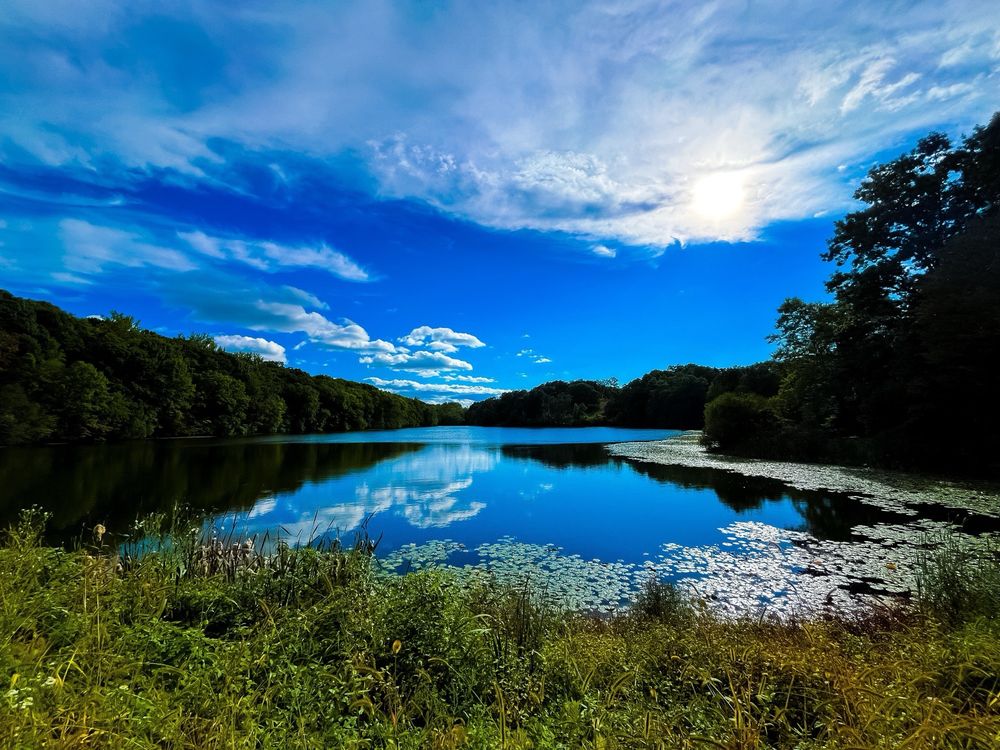
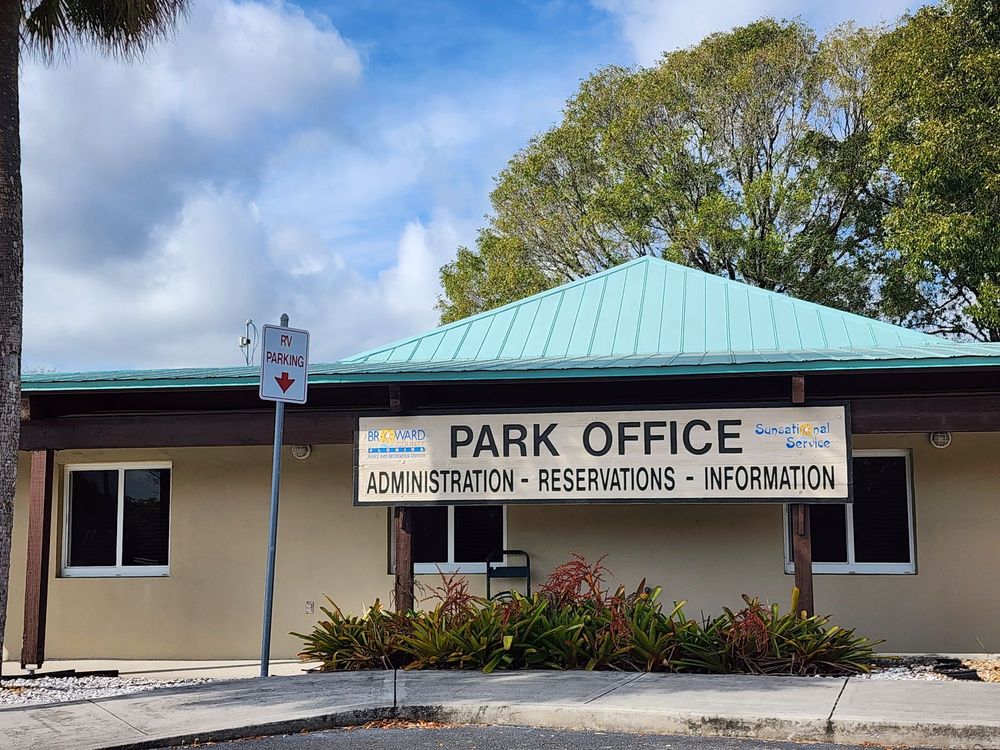
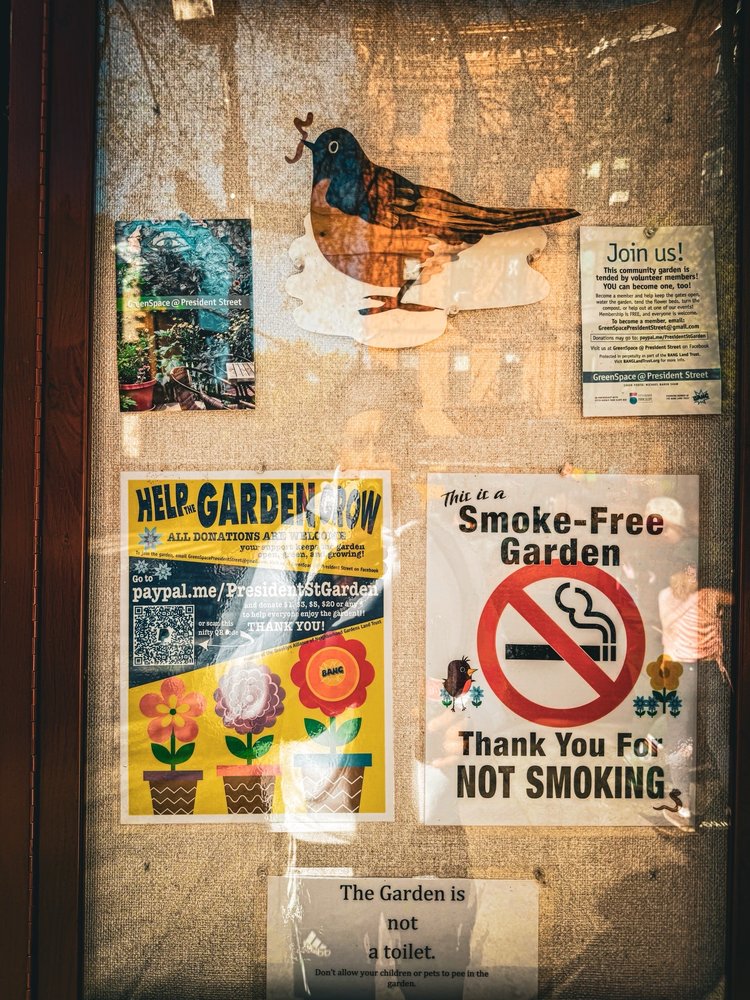
--- **Chapter One: The Morning of Marvels** The sun crept through my eyelids like honey through a sieve, golden and slow and impossibly sweet. I stretched my velvety white paws toward the ceiling, my stubby puggle tail—a punctuation mark of pure joy—thumping against Lenny's pillow. "Rise and shine, sleepy family!" I yipped, though it came out more like a series of enthusiastic snorts. That was my signature sound, after all. Pete the Puggle, herald of morning, prince of the snort. Mariya's laughter tinkled from the kitchen, a wind chime made of warmth. "Someone's excited about Greenspace," she called, and the word alone sent my heart galloping like a herd of miniature horses across my ribs. Greenspace! President Street! I'd heard whispers of this magical realm—grass that whispered secrets, trees that swayed like ancient storytellers, water that caught sunlight and turned it into scattered diamonds. Roman thundered down the stairs, his sneakers announcing his arrival like a drumroll. "Pete! Pete! We're going to the BIG park today!" He scooped me up, and I breathed in his familiar scent—soap and grass and something uniquely Roman, like potential energy waiting to become kinetic. I licked his nose with surgical precision, and he giggled, that rare sound of a boy becoming a man but still willing to be utterly childish with his dog. Lenny emerged with his coffee, the steam curling around his smile like a friendly ghost. "Now, Pete," he said, his voice that particular warm gravel that made even grocery lists sound like wisdom, "this park has water features. You know, those splash pad things? Fountains?" My ears—those expressive satellites—flattened against my skull. Water. The word echoed in the hollow spaces of my courage, finding the loose floorboards, the weak places. Water was... unpredictable. Water was cold surprise and sputtering shock and the terrible moment when solid ground betrayed you. "I'm sure it's very small water," I said, though my tail had tucked itself into a question mark of doubt. "Small as a puddle," Mariya promised, though her eyes held something else, something that knew water could be ponds, could be lakes, could be oceans of fear given form. Bruce Lee arrived with the sunrise's final flourish, his martial arts gi fluttering like a flag of impossible calm. "Pete," he said, bowing with the gravity of a mountain, "water is merely another opponent. Study its movement. Find your stance." And he demonstrated, his bare hands cutting patterns in the morning air, each motion speaking of battles won without bloodshed. "I have faced foes who commanded rivers, who wore waterfalls as cloaks. Yet here I stand." "Here you stand," Baron Munchausen echoed, materializing from—was that the coat closet?—his mustache waxed to impossible points, his eyes twinkling with the particular madness of someone who had definitely ridden a cannonball and might do so again. "Water! I once crossed the Caspian Sea atop a wine barrel, playing a lute to charm the storm itself! Fear is merely excitement wearing a mask, my furry friend!" I wagged my tail, but inside, something small and trembling wrapped its paws around my heart and held on tight. --- **Chapter Two: Arrival and the First Trembling** Greenspace @ President Street unfolded before us like a painting left unfinished by a generous god, green and gold and impossibly vast. The grass stretched in every direction, a sea of softness that made my paws tingle with the urge to run, to roll, to claim every blade as my own personal kingdom. Trees arched overhead, their branches knitting patterns against the sky, creating a cathedral of leaves where light danced like congregants at the most joyful service imaginable. "Look at that, Pete!" Roman breathed, and I followed his pointing finger to where water—there it was, that word again—cascaded from stone structures, catching rainbows in its spray. Children shrieked with delight, their small bodies darting through the fountain's embrace, and I felt my first true spear of fear, sharp and cold and unexpected. But there were other wonders too. A wooden bridge crossed a small stream, its surface worn smooth by countless adventures. Flower beds exploded with color—purple and crimson and gold—attracting butterflies that moved like living confetti. The air smelled of grass and distant grilling and something wilder, something that made my puggle nose twitch with ancestral memory. "Pete, come!" Roman called, already running toward the open field, and I bolted after him, my short legs pumping, my ears flying like banners of pure joy. We chased each other through the grass, and for a moment, for a beautiful suspended moment, I forgot about water entirely. Then Lenny suggested the splash pad. "Come on, Pete!" he coaxed, rolling up his pant legs, his own feet pale and brave against the concrete. "It's just a little water. Like a bath, but fun!" I backed away, my paws finding purchase on dry ground, my heart hammering against my ribs like a trapped bird. The splash pad yawned before me, a concrete landscape where water erupted without warning, where wetness fell from the sky like a betrayal. "No," I whimpered, the sound escaping before I could catch it. "No, no, no." Mariya knelt beside me, her fingers finding the sweet spot behind my ears. "Oh, my brave boy," she whispered, and I hated that she called me brave when I felt anything but. "You don't have to do anything you don't want to. But sometimes, sweet Pete, the things that scare us are just waiting to become our favorite things." Bruce Lee positioned himself at the splash pad's edge, his bare feet finding purchase on the wet concrete with the grace of a cat. "Watch," he said simply, and then he moved. Not martial arts, not fighting, but something gentler— redirecting the water's flow with his cupped hands, creating arcs where before there had been chaos. "Water follows the path of least resistance, yet it shapes mountains. Find your path, Pete." Baron Munchausen attempted to demonstrate by riding a jet of water like a horse, which ended with him deposited wetly but ungracefully on the concrete, his mustache finally defeated. "The water and I," he announced from his seated position, "have reached an understanding. It is wetter than I am." I almost laughed. Almost. But the fear held me like a leash I couldn't shake, and I turned my face against Roman's leg instead. --- **Chapter Three: The Great Separation** The afternoon wore on like a favorite song, the kind you never want to end. We picnicked on a blanket that Mariya spread like a magic carpet—sandwiches and fruit and something called "potato salad" that I found suspicious but ultimately delicious when it fell within snout's reach. Bruce Lee demonstrated how to catch flies with chopsticks, though he insisted they were "training exercises" and released each one unharmed. Baron Munchausen told stories of his adventures in the Sahara, where he claimed to have raced a cheetah and won by convincing it to stop for tea. Then Roman stood, brushing crumbs from his shirt. "Pete, let's explore the woods! Mom said there's a trail!" A trail! Adventure called to me like a siren song, and I was at Roman's heels before anyone could object. We plunged into the tree line, where the light filtered green and gold, where every step revealed new wonders—a squirrel's abandoned acorn, a mushroom like something from a fairy tale, a hollow log that whispered secrets when the wind passed through. "We should stay where we can see the blanket," Roman said, but he was laughing, running backward, and I was chasing, chasing, chasing the joy that flew before me like a flag. Then—a rabbit. Or was it? Something white and swift darted between the trees, and I was after it, my puggle nature awakening, that ancient call of the hunt singing in my veins. "Pete!" Roman called, but I was gone, swallowed by green, by shadow, by the wild heart of the park that had seemed so tame from our blanket's safety. The rabbit—if it was a rabbit—vanished like morning mist, and I stopped, panting, realizing with the slow horror of dawn that I did not know where I was. The trees pressed close, their shadows lengthening as clouds passed over the sun. The sounds changed—no more children's laughter, no more family murmur, just the wind and something else, something that might have been water flowing, growing louder. "Pete? PETE!" Roman's voice, distant and threaded with panic. "Roman!" I barked, but the trees ate my sound, and the water grew louder still. I ran, but not toward the sound—away, away from that growing roar that meant water, meant fear, meant everything I couldn't face. Thorns caught my velvety fur, and I pulled free with small sounds of pain. The light shifted, strange and green, and I realized with a crushing weight that I had never been so alone. The forest—was it even a forest anymore, or had the park transformed into something older, wilder?—grew darker. Not night, not yet, but the heavy darkness of thick canopy and approaching storm. My paws found mud, then something worse, something that squelched and threatened to swallow my legs. "Help," I whimpered, and the word felt small as a seed, as likely to grow into something as a stone. --- **Chapter Four: The Valley of Shadows** Darkness came not all at once, but in pieces, like a puzzle assembling itself wrong. First the green went gray, then the gray went charcoal, and finally I stood in something that could only be called dark if you had never known true night, the kind that wraps around you like a wet blanket, that presses against your eyes and insists there is nothing to see, nothing to hope for, nothing but the small circle of your own trembling breath. I had never been apart from my family in the dark. The realization hit me like cold water—there it was again, water, always water—stealing my breath, making my heart stutter. Lenny's warm voice, Mariya's gentle hands, Roman's boyish laughter, all gone, replaced by this suffocating absence. I thought of our home, of my bed by the radiator, of the way Mariya would hum while making coffee, and something broke open in my chest, a dam I hadn't known I was building, and I was crying, real tears that made my nose run and my sides heave. "Pete." The voice came from nowhere and everywhere, and I yelped, spinning in the darkness, seeing nothing. "Pete, fear is a shadow. It looks large because the light is behind you." "B-Bruce Lee?" I quavered. He materialized like a dream of strength, his gi somehow visible even in this darkness, his bare feet finding solid ground where I had found only mud. "I followed your energy," he said simply. "Your fear called out like a bell. But you must stop running from the water, Pete. You are running toward greater danger." "Where's Roman?" I whimpered. "Where's my family?" "Searching," he said. "As we must search for you. But first—" He turned, and I followed his gaze to where the darkness was not complete, where something shimmered like a black mirror. The water I had been running from, grown vast and still, reflecting not the sky but something deeper, something that showed me my own small face, my own wide eyes, my own fear made visible. "I can't," I whispered. "I can't, I can't, I can't." Bruce Lee placed his hand—warm, impossibly warm—on my back. "The water did not change," he said. "You did. Your fear made it larger than it was. This is merely a pond, Pete. A small, still pond. But beyond it, through the trees your family searches. The only way is through." I looked at the water, black as ink, smooth as glass, and my whole body shook like a leaf in a hurricane. But I thought of Roman, of how he would be calling my name until his voice broke, of Mariya's hands that would be wringing together, of Lenny's jokes that would be failing to hide his worry. I thought of love, which is the only thing larger than fear, and I took one step forward. --- **Chapter Five: The Courage of Small Paws** The water was cold. That was the first sensation, cold like a surprise, like a memory of winter in the warmth of summer. It lapped at my paws, not attacking, not even particularly interested, just being water, moving in the way water moves, following its own ancient rules. I took another step, and another, my legs stiff with terror, my tail tucked so tight it ached. "Good," Bruce Lee murmured, walking beside me on the pond's edge, his presence a lighthouse in my storm. "Feel your feet. They touch the bottom. You are taller than this fear, Pete. You have always been taller." I wanted to believe him. I wanted to believe that the water would not suddenly deepen, would not reveal some ancient depth where my paws couldn't touch, where I would become something small and drowning and forgotten. But the fear whispered its old song: *What if, what if, what if.* Then, from somewhere beyond the water, through the trees that seemed less dark now, less pressing—I heard it. "Pete? Pete, is that you?" Roman's voice, hoarse and broken and beautiful. "ROMAN!" I barked, and the sound was joy and terror and hope all braided together. "ROMAN, I'M HERE!" "Keep talking, buddy! I'm coming!" The water splashed, and my first instinct was to recoil, but I saw him—my boy, my Roman, wading into the pond in his sneakers, not caring about the cold or the dark or anything but finding me. "Roman!" I cried, and I was swimming, really swimming, my paws paddling in the awkward dog-stroke that nature had given me, the water supporting me, holding me up, not a monster at all but simply... water. Simply the world, doing what the world does. He caught me, lifted me, and I was against his chest, wet and shivering and absolutely, perfectly safe. "I found you," he breathed, and he was crying too, hot tears falling into my fur. "I found you, Pete. I was so scared. It got dark, and I couldn't find you, and I thought—" He couldn't finish. "You found me," I repeated, because it was the only miracle that mattered. "You found me." We waded to shore together, and there, waiting with Bruce Lee's calm presence and expressions of relief that bordered on the religious, were Baron Munchausen—somehow dry despite everything—and, emerging from the trees with flashlights and faces of angels, my family. "Pete!" Mariya's cry, Lenny's rough "Thank God," and then I was passed from hand to hand, snuggled, wept over, loved so thoroughly that the remaining cold in my bones melted like snow in spring. --- **Chapter Six: The Baron and the Battle of Whispers** But our adventure was not yet complete. For as we made our way back toward the familiar lights of the park's main area, the darkness—perhaps offended by our easy reunion—thickened once more. From between the trees came whispers, and from the whispers came shapes, shadow-things that seemed made of the forest's own malice, of every child's fear of the dark given form and intention. "The park closes at dusk," Baron Munchausen said, his voice for once stripped of its theatricality, replaced by something steel-hard and ancient. "But some things do not respect closing times." The shadow-things coalesced, reaching with fingers of smoke and cold, and I felt Roman's arms tighten around me, felt the rapid heartbeat of my brave boy who would face anything for me. Bruce Lee stepped forward, his bare hands raised in the stance of the dragon, of the tiger, of every martial tradition that had ever turned flesh into weapon and philosophy into shield. "Stay behind me," he said, and then he moved. I have seen beauty in many forms—in Mariya's garden, in Lenny's sunrise coffee ritual, in Roman's unguarded laughter—but I have never seen anything like Bruce Lee in battle. Each strike carved light from darkness, each kick sent shadows scattering like frightened birds. But there were so many, an endless tide of whisper and chill, and even his phenomenal skill could not be everywhere at once. It was then that Baron Munchausen laughed—that particular laugh that meant either utter disaster or impossible triumph. "My friends!" he called, and from his magnificent mustache, from his impossible pockets, from the very air itself, he summoned them. His faithful friends: a great stag with antlers of moonlight, a fox with eyes like emeralds, a bear made of starlight and old stories. They materialized with the sound of pages turning, of campfires crackling, of every tale ever told becoming suddenly, impossibly real. "My companions!" the Baron cried, vaulting onto the stag's back with the grace of a man who had definitely done this before. "The shadows fear stories, for stories are light given voice! Pete, Roman—tell them a story! Any story!" And so, trembling still but growing warm with something braver than warmth, I began. I told of our family, of Lenny's terrible jokes and Mariya's magic-touch with growing things, of Roman's loyalty and my own small courage. I told of love, which is the oldest story, and as I spoke—really spoke, in the way that dogs speak to those who listen with their hearts—the shadows began to thin, to recoil, to fade like nightmares before morning. Bruce Lee struck the final blow, his bare hand passing through the last shadow-thing like light through fog, and then—silence. Peace. The forest was merely forest again, dark but not terrible, full of ordinary night sounds rather than whispers of malice. "Well," said Baron Munchausen, patting his stag's luminous neck, "that was refreshingly unusual. Even for me." --- **Chapter Seven: The Return and the Reckoning** We emerged from the trees to find the park transformed—not by magic this time, but by the ordinary miracle of evening lights coming on, of other families packing blankets and calling sleepy children, of the world continuing its rotation as if shadow battles were simply another Tuesday. Mariya wept anew to see us whole, and Lenny's jokes returned, shaky but present, like flowers after frost. "Pete," he said, "next time you explore, take a GPS. Or at least a trail mix." The splash pad, now quiet and dark, looked different to me. Smaller, certainly. Less like a monster and more like what it had always been—a place where water played, where children laughed, where fear had made itself at home in my heart but need not stay forever. "Roman," I said, and he knelt to hear me, his face still wet with the aftermath of our adventure. "The water. I want to try again. Not now, but... soon. With you." His smile was sunrise and triumph and love, all the things that make a boy worth growing up beside. "Whatever you need, Pete. However long it takes." Bruce Lee bowed to me, that particular bow that meant respect given and received. "The student becomes the teacher," he said. "Your courage today will echo. Remember this feeling. Return to it when fear speaks again." Baron Munchausen was already mounting his stag, his fox and star-bear gathering close. "Until the next impossible adventure!" he called, and then they were gone, between one blink and the next, leaving only the faint scent of campfire and old books to prove they had been real at all. We walked to the car slowly, my family and I, bound together by something stronger than rope or leash—the invisible tether of love tested and proven, of fear faced and overcome, of a small puggle with velvety white fur who had learned that courage is not the absence of fear but the willingness to move forward despite it. --- **Chapter Eight: Home, and the Stories We Keep** Our house welcomed us like a held breath finally released. The radiator ticked its familiar rhythm; Mariya's coffee mug sat waiting in the sink. Everything ordinary, everything precious, everything I had feared I might never see again. Roman sat with me on his bed, the way we had a thousand nights before, but this night was different. This night we had something to unpack, to examine, to transform into the stories that families tell themselves to become stronger. "Were you scared?" he asked, his fingers tracing patterns in my fur. "When you were lost? When it was dark?" I thought of the water's cold embrace, of the shadows' whispered threats, of the moment when I had been alone and small and certain I would stay that way forever. "Terrified," I admitted. "More than I knew I could be. The dark felt like it would never end. The water felt like it would swallow everything. And being apart from you—from all of you—" I paused, gathering words like scattered toys. "It felt like being unwritten. Like a story with no ending." Lenny appeared in the doorway, Mariya beside him, drawn by the gravity of serious conversation. "Can we join?" he asked, and Roman made room, and suddenly we were all piled together, a heap of family, a constellation of love. "I thought about," Lenny started, then stopped, his voice rough as unsanded wood, "all the things I wished I'd said. To you, to all of you. How we let the days go by without—" He couldn't finish, and Mariya took his hand, and Roman leaned into his shoulder, and I was passed between them like a promise, like a living reminder that some stories continue despite our fears. "I was scared too," Mariya whispered. "When we couldn't find you. I thought—" She shook her head, rejecting the thought's power. "But then Roman ran toward where you'd gone, and Bruce Lee followed, and I remembered that love is a kind of compass. It finds what needs finding." "Zebras," Lenny said suddenly, and we all looked at him. "Zebras have excellent night vision. Did you know? Point being"—he cleared his throat, embarrassed by his own deflection—"point being, we're all equipped differently for darkness. But we don't have to face it alone." I thought of my transformation, how the water that had seemed an enemy had become simply water, how the dark that had swallowed me had also hidden me until help could come. "I thought I had to be brave alone," I said. "But courage—I think it's something we borrow from each other. Something we lend." Roman's arms tightened. "You were brave, though. When I found you in that pond. You were swimming." "Because you were coming," I said simply. "Because love was louder than fear." We sat in silence then, the comfortable kind that follows stories told well, the kind that doesn't need filling. Outside, the night was fully come, stars pricking through the darkness like hope made visible. And I, Pete the Puggle, once terrified of water, of darkness, of separation— I felt only peace, only gratitude, only the vast and certain knowledge that whatever adventures came, we would face them together. "Tomorrow," Mariya said, "we could go back. To Greenspace. Just for a little while. If you wanted." I thought of the splash pad, of sunlight catching water, of children laughing and running through sprays of joy. "Yes," I said. "Yes, I think I would like that very much." And as sleep finally, gently took me, I dreamed of water not as fear but as dance, of darkness not as ending but as rest, of love as the constant, the compass, the courage that never truly leaves us, no matter how far we wander, no matter how deep the water, no matter how long the night. ***The End***
Use these buttons to read the story aloud:



No comments:
Post a Comment