Followers Woof Woof :)

Wednesday, July 1, 2026

*** The Velvet Brave: Pete's Cobble Hill Adventure *** 2026-07-02T01:16:15.565517700

"*** The Velvet Brave: Pete's Cobble Hill Adventure ***"🐾

--- ## Chapter One: The Morning of Wonders The sun crept through my window like a golden kitten, all soft paws and warm whispers, and I woke with my heart already thumping like a drum made of biscuits. Today was the day. THE day. The day my family—my magnificent, marvelous, make-everything-better family—was taking me to Cobble Hill Park, and I, Pete the Puggle, would finally prove I was as brave as I pretended to be when shadows stretched across the bedroom floor. "Pete! Pete! Wake up, sleepy pup!" Roman's voice cascaded down the hallway like a waterfall of excitement, and suddenly my door burst open and there he was, my tall human brother with hair like autumn wheat and eyes that held galaxies I could never quite comprehend. He wore his faded blue "Adventure Awaits" t-shirt, the one with the tiny compass stitched near the collar, and his grin was so wide I could count every tooth. "Roman!" I yipped, my voice cracking like a puppy's though I'm fully grown, and I launched myself from my plaid dog bed—my throne, my cloud, my kingdom of comfort—and into his waiting arms. He caught me, always catching me, and spun once, twice, my white fur becoming a comet's tail in our morning dance. Downstairs, the kitchen hummed with the symphony of Mariya's preparations. My mother-human, with her dark hair pulled into a practical ponytail that somehow still managed to look like a waterfall at midnight, was layering sandwiches with the precision of an artist and the love of someone who understood that a perfect sandwich was a language all its own. She hummed something wordless and melodic, and the sound wrapped around me like the softest blanket. "Someone's excited," she observed, not turning from her work, but I saw her smile reflected in the window above the sink, the morning light making it glow like a lantern. "Can't blame him," Lenny rumbled, emerging from behind his newspaper like a bear from hibernation, his reading glasses perched on a nose that had been described as "distinguished" and that he claimed had been "earned through years of terrible puns." He folded the paper with the ceremonial gravity of a knight completing a quest and fixed me with those brown eyes that held both the warmth of a hearth fire and the mischief of a hidden cookie jar. "Why, I remember when I was a young pup—" "Dad," Roman interrupted, depositing me on the kitchen floor where I immediately performed my morning stretch routine (front paws extended, hindquarters elevated, tail like a flag of surrender to the joy of existence), "you've never been a pup. You're human. That's biologically impossible." "Ah," Lenny replied, his mustache twitching with suppressed delight, "but the spirit of a pup, my boy. The spirit! I had it. I *have* it. Why, just yesterday I chased a squirrel—" "You chased a squirrel?" Mariya turned now, her wooden spoon held like a scepter, though her eyes betrayed her amusement. "Metaphorically," Lenny amended, adjusting his glasses with the dignity of a deposed king. "In my heart. I sent it positive energy. Very exhausting." I barked my appreciation, because Lenny's jokes were like the weather in spring—unpredictable, occasionally baffling, and somehow exactly what the world needed. He reached down and scratched behind my ears with fingers that knew exactly where the good spots were, the ones that made my hind leg thump against the tile like a metronome set to "ecstatic." The car ride to Cobble Hill Park was its own adventure, a capsule of family chaos hurtling through green-gold morning. I rode in my booster seat—yes, my booster seat, a prince among dogs—secured between Roman and a cooler of Mariya's perfect sandwiches. The world outside blurred into impressionistic streaks of color: hedgerows like green flames, sky like an ocean inverted, other vehicles become friendly sea creatures passing in the deep. "Roman," I said, because he always understood my particular vocalizations, the specific pitch that meant *I need to tell you something important*, "I'm going to be brave today. The bravest. Braver than a lion. Braver than... than a lion wearing armor. Riding a bigger lion." He laughed, that sound like wind chimes in a hurricane, and his hand found my scruff, kneading gently. "You don't need to be bravest, Pete. You just need to be you. You're already pretty great at that." "But what if—" I started, and he knew, he always knew, because his thumb traced the spot between my eyes where worry gathered like storm clouds. "What if nothing," he said softly, and there was something in his voice, some resonance of his own remembered fears, his own nights of uncertainty, that made me press closer to his side. "We're together. That's the whole magic trick, buddy. Together." Cobble Hill Park announced itself first through scent—water and wildflowers, cut grass and distant charcoal, the ancient perfume of earth after rain even though it hadn't rained in days—and then through sound: children's laughter cascading like the waterfalls I'd only seen in Roman's nature documentaries, the distant thwack of frisbee against willing palm, music from someone's portable speaker drifting like pollen on the breeze. And then we were there, and it was more than I'd imagined, more than my dog-heart could immediately process. Rolling hills dressed in emerald, their slopes gentle as sleeping dragons. A central pond that caught the sun and held it, precious metal, transforming light into liquid shimmer. Trees that stood like witnesses to centuries of joy, their leaves whispering secrets in a language old as roots and deep as groundwater. "Welcome," Mariya announced, already spreading the familiar red-and-white checkered blanket, "to our kingdom for the day." Lenny produced a kite from some dimension of paternal preparedness, its fabric unspooling into a dragon shape that seemed to breathe in the wind's imagination. "For later," he promised, seeing my fixed gaze. "When the breeze is right, we'll send him up. Name him Gerald. Gerald the Sky Dragon. Very fierce. Terrible breath, though. All kite, no flame." I laughed in my dog way, that huffing sound that meant pure delight, and then— BARK. BARK BARK BARK. The sound cracked like thunder on a clear day, and I leaped so high I nearly achieved the flight my kind only dreams of in chase of squirrels. There, bounding toward us with the kinetic energy of a small comet, was a Jack Russell Terrier whose entire body seemed to vibrate at a frequency of imminent chaos. White with tan markings, ears like radar dishes tuned to frequencies of mischief, and eyes—oh, those eyes—like polished amber holding ancient, inscrutable fires. "Kirusha!" Roman exclaimed, and I heard in his voice the particular tone of someone who had encountered this force before. "I should have known. The Kirusha Protocol." The terrier skidded to a stop mere inches from my nose, and I smelled adventure and challenge and something underneath it all, something I couldn't quite name. He growled, low and theatrical, a sound like a lawnmower encountering resistance. "Newcomer," Kirusha announced, and his voice was like gravel wrapped in velvet, all rough edges and unexpected softness. "This is MY park. MY hill. MY sunbeam that I was enjoying before you arrived with your... your... family entourage." He gestured with his nose toward my humans, who had the audacity to look amused rather than properly intimidated. "Mine too," I managed, though my voice emerged higher than I intended, a squeak where I wanted a roar. "Today. We're here today. Together. So... so it's everyone's park. Democratically. Like... like a vote. But with more sniffing." Kirusha's eyes narrowed, calculating, reassessing. Then, unexpectedly, he laughed—a sharp, barking sound that might have been amusement or threat, impossible to distinguish. "I like this one," he declared to no one in particular. "He's stupid. I like stupid. Stupid is brave without knowing it. We'll fight later. Establish hierarchy. For now—" he turned, tail like a flag of temporary truce, "—follow me. I know where the good smells are. The ones that tell stories." And just like that, with the casual authority of one who had never questioned his place in any world, Kirusha led us—led me—into the heart of Cobble Hill, and I followed, my heart hammering with something I couldn't yet name, my family spreading their blanket behind me like a foundation I could always, always return to. --- ## Chapter Two: The Pond of Shadows Kirusha led us through grass that reached my shoulders, a jungle of green where every blade held dew like scattered diamonds. I followed, sometimes leaping to clear particularly ambitious growths, sometimes plowing through with the determination of a very small, very white snowplow. Roman walked behind, his long shadow sometimes falling across me like a protective cloak, and I drew courage from its presence even as I pretended to independence. "The pond," Kirusha was saying, his voice carrying back to me like a messenger bird, "is the heart of everything. Old water. Deep water. Water that remembers when this hill was younger, when the trees were saplings, when your kind—" he tossed this toward Roman with what I now understood as performative disdain, "—were still figuring out fire and regretting it." "Water remembers?" I asked, and my voice came smaller than I wished, because already I could smell it, that particular scent of still water, of depths I couldn't fathom, of something that existed beyond the safety of land and known things. "Everything remembers," Kirusha replied, and for a moment his perpetual motion stilled, and he looked almost solemn, almost soft, before the moment passed like cloud shadow and he was bouncing again, irrepressible. "But water especially. Water was here before anything. Will be here after. Very dramatic. Very... water." We crested a small rise and there it was: the pond. Larger than it had appeared from the car, somehow more present, more *real*. Its surface caught the morning light and transformed it, so that looking at it was like looking into a mirror that showed not your reflection but your possibility. Reeds lined its edges like green sentinels. A fallen log spanned one shallow section, its bark long gone, its wood silver as moonlight. And in the center, a small island no bigger than a car, crowned with a single willow whose branches trailed into the water like fingers testing bath temperature. "Beautiful," Roman breathed, and I heard in his voice that particular tone that meant he was seeing stories, weaving narratives from the world around him. He would write this later, I knew, in the journal he thought I didn't notice him hiding. The one where he tried to capture moments before they could flee. "Beautiful," Kirusha agreed, then fixed me with his amber gaze. "And terrifying, yes? For the small white pup who smells of indoor safety and human love?" "I'M NOT SMALL," I protested, though I was, and the pond seemed to expand with my awareness of it, its depths becoming caverns, its center becoming unreachable, its water becoming something that could swallow, that could hold, that could keep. The fear came like a wave, which was ironic given the circumstance. My legs trembled, not with cold but with the memory of cold, with the ancestral knowledge of water as danger, as drowning, as the place where the solid world ended and something else—something vast and breathing and unrelated to me—began. "Pete?" Roman knelt, his hands finding my shoulders, grounding me. "Hey. Hey. Breath, buddy. Remember breathing? You're good at breathing. I've seen you do it thousands of times. Very consistent. Very reliable breathing." His joke, terrible and perfect, broke the surface of my fear like a stone breaking tension on water. I huffed, that laugh-snort that was my signature, and the world steadied slightly. "That's my boy," he murmured, and there was something in his voice, some resonance of his own remembered fears, his own moments of standing at edges and wondering about the fall. "You don't have to go in. You don't have to do anything. We're here. We're together. That's the whole spell, remember?" But Kirusha was watching, Kirusha with his amber eyes and his reputation and his absolute certainty in his own invincibility, and something in me—some spark that wanted to be more than safe, that wanted to be brave, that wanted to be the dog I imagined in my best dreams—stirred like a sleeper awakening. "Later," I said, and the word cost me something, gave me something, I couldn't yet tell which. "I'll go in later. When I'm ready. When... when I've prepared." Kirusha tilted his head, that gesture of canine consideration that meant he was reassessing, recalculating. "Preparation," he repeated. "Interesting. Most say 'never' and mean it. You say 'later' and almost mean it. I will enjoy watching you discover if there is a difference." We turned from the pond then, but it stayed with me, as fears do, as possibilities do. It stayed like a promise I had made to something larger than myself, and I felt its presence as we walked, as we explored, as the morning unfolded into the bright coin of afternoon. --- ## Chapter Three: The Great Separation Lunch on the checkered blanket was its own ceremony, its own sacrament of family. Mariya's sandwiches—turkey and avocado with some secret seasoning she refused to reveal even under threat of no dessert—tasted of care and attention and the particular magic of hands that loved what they created. Lenny attempted to feed me a corner of his, "accidentally" letting it fall, and performed elaborate pantomime of surprise when I snapped it from the air. "Gerald," Lenny announced, brandishing the kite as if it were Excalibur itself, "demands sky!" The dragon kite did indeed demand sky, and watching it rise on willing wind, I felt something in my own chest rise with it—that desire for height, for perspective, for the world spread below like a map of possibility. Roman ran with the string, guiding, releasing, and Gerald climbed until he was a distant jewel against the blue, a dream of flight made fabric and frame. It was then, in the moment of my greatest distraction, that the world shifted. I'm still not certain how it happened. Perhaps Kirusha appeared with some new challenge. Perhaps a squirrel—there was always a squirrel—performed provocative acrobatics just beyond our clearing. Perhaps I simply followed some scent trail that seemed important, that seemed to lead somewhere that mattered, and kept following, and following... The sounds of my family faded like music through closing doors. The familiar scents—Mariya's vanilla lotion, Lenny's cedar aftershave, Roman's particular blend of soap and something uniquely him—dissolved into the general symphony of park. The light changed, angle shifting, afternoon becoming something else, something later, something edged with the first hints of evening. When I stopped, finally, chest heaving, I was somewhere I didn't know. And I was alone. The fear came differently than at the pond—that had been specific, named, water and its depths. This was broader, vaster, a fear like fog, like the spaces between stars, like the moment before waking when you don't yet remember who you are. I was small, suddenly, in a way that had nothing to do with physical size and everything to do with the architecture of belonging. "Roman?" My voice emerged as whine, as plea, as prayer. "Mariya? Lenny?" The trees answered with wind-whisper, with leaf-rustle, with the indifferent beauty of growing things that had never known the particular ache of missing someone. I spun, trying to catch a scent, any scent, that led home, but the afternoon had shifted, the breeze had changed, and all paths seemed equally possible, equally impossible. Darkness, when it came, would come quickly. I knew this with the certainty of ancient patterns, of genetic memory, of stories told in dens before humans had words. Night was not my friend—night was when the world grew teeth, when shapes shifted, when the familiar became monstrous in its transformation. "Pete." The voice came from nowhere, from everywhere, and I leaped with the startlement of pure terror before I recognized it. Kirusha emerged from shadow that wasn't yet shadow, his markings making him appear and disappear like a magic trick, like something not quite of this world. "You're lost," he observed, and there was no judgment in it, which somehow made it worse. "They're lost to you. You're lost to them. The great separation. It happens. It always happens, to someone, sometime." "Help me," I said, and the words cost everything, gave everything. "Please. Kirusha. I need... I need to find them. I need to not be... not be..." "Alone?" He finished, and for a moment his bravado cracked, and I saw something beneath—the same fear, perhaps, or its cousin, or its echo. "Yes. I know. I know this need. Come. We will find them. Or they will find us. Or we will find something else, something unexpected, which is often better than what we sought." But before we could move, before hope could fully form, the darkness came. Not true night, not yet, but the shadow that precedes it, that heralds it, that makes the world unfamiliar. The trees became silhouettes, then silhouettes with teeth. Every sound amplified—my own heartbeat like war drums, Kirusha's breathing like wind through broken windows, and other sounds, unnameable, the rustle of something in brush, the snap of twig underfoot that might be pursuit, might be nothing, might be everything. "I can't—" I started, and my voice broke, shattered, became the voice I used as a puppy, small and seeking and afraid. "Can't what?" Kirusha demanded, and his aggression was different now, not challenge but encouragement, rough as gravel, soft as unexpected. "Can't be brave? Can't be strong? Can't be the pup who followed me, who stood at the pond's edge and said 'later' instead of 'never'? Those are small words, Pete. Small words for small fears. You are not small. I do not associate with small." But I was shaking, trembling, the fear like ice in my veins, like water in my lungs, like the dark itself made physical and pressing close. The separation from family, from warmth, from the known world of love and safety—it was more than I could bear, more than I could navigate, a sea without shore, a night without stars. "Pete!" Roman's voice, distant, desperate, tearing through the gathering dark like a lighthouse beam through fog. "PETe!" "Here!" Kirusha barked, his voice like a trumpet, like a bell, like a call to arms. "Here! Here! Here!" And then—miracle of miracles, impossible and actual—light. Roman's flashlight, sweeping, finding, holding. His face, when it emerged from darkness, was the most beautiful thing I had ever seen, more beautiful even than morning after long night, more beautiful than water after thirst, more beautiful than anything I had words for. "Pete," he breathed, and he was running, and I was running, and we met in collision of joy, of relief, of the particular perfection of finding what was lost. "Pete, Pete, Pete, I couldn't find you, I looked everywhere, I—" "I was scared," I admitted into his shoulder, into his heartbeat, into the shelter of his arms. "I was so scared, Roman. The dark. The being alone. The not-knowing." "I know," he whispered, and I heard in his voice that he did know, that he had known, that knowing fear was part of knowing courage, that they were braided together like strands in a rope that could hold any weight. "I know, buddy. I know. But you weren't alone. You were never alone. Even when we couldn't see each other." Kirusha, nearby, cleared his throat with theatrical precision. "Sentimental," he muttered, but his tail gave him away, wagging despite his best intentions. "Very sentimental. I approve. Reluctantly. With reservations." Roman laughed, that waterfall sound, and extended his free hand toward the terrier. "Thank you, Kirusha. For staying with him. For... for being here." "Someone had to," Kirusha grumbled, but he leaned into the touch, just slightly, just enough. "He clearly cannot be left unsupervised. Terrible sense of direction. No survival instincts whatsoever. Wouldn't last a day in the wild." "Good thing," I managed, finding my voice in the safety of reunion, "that I don't want to live in the wild. Good thing I have... this. Us. Family." The walk back to the main clearing, to Mariya's worried face and Lenny's terrible-joke relief ("I was about to organize a search party! Very organized! Color-coded!"), was its own journey, its own small odyssey. But we made it, step by step, shadow by shadow, until the blanket's familiar pattern emerged from darkness like a memory of comfort, like a promise kept. --- ## Chapter Four: The Night's Embrace They had lit lanterns, my family, these humans who understood that darkness was not to be surrendered to but transformed. Paper lanterns in soft colors—amber and rose and the particular blue of summer evening—hung from nearby branches, and someone—Mariya, I knew her touch—had arranged fairy lights along the cooler, the blanket's edge, the small cooler that now held not sandwiches but the promise of s'mores. "Welcome back," Mariya said, and her voice was the sound of safety itself, of home made audible, of love given form. Her hands found me, gathered me, and I melted into her embrace with the complete surrender of one who had learned, finally, that surrender to love was not weakness but its own strength. "We were worried," Lenny said, and his voice was rough, unguarded, the mask of jokes set aside for this moment of raw truth. "Don't do that again, little pup. My heart can't take it. I'm not as young as I used to be. Which is a mathematical impossibility, since I'm exactly as young as I used to be, time being linear, but you understand my meaning." I licked his hand, his weathered, wonderful hand, and felt his pulse steady beneath my touch. But night had come, true night now, and with it my ancient enemy. The darkness between lanterns was not merely absence of light but presence of something else, something that shifted and breathed and watched. Every shadow held potential threat. Every sound beyond the circle of our light carried unknown intention. "Pete?" Roman, sensing my tension, my gathering fear. "The dark again?" "I can't help it," I whispered, ashamed, frustrated, hating this vulnerability even as I knew it was part of me, would always be part of me. "I know it's silly. I know nothing's there. But I feel... I feel like it's watching. Waiting. Like if I let my guard down..." "Then don't," a new voice declared, and from the lantern-lit edge emerged a figure I had not yet encountered—small, impossibly small, but carrying himself with the gravity of someone much larger. Long-haired Chihuahua, his coat like spun gold in the lantern light, his eyes like dark pools that held not threat but invitation, depth, mystery. "Timmy," Mariya breathed, and there was recognition, delight. "You're here! Your humans are here?" "Nearby," the Chihuahua—Timmy—confirmed, with a nod toward a nearby gathering that twinkled with its own lights. "They understand my need for... diplomatic missions. Conversations with those who might benefit from my particular wisdom." He fixed me with a gaze that seemed to see through to my trembling heart. "You fear the dark," he observed. "Many do. The dark is... uncertain. Unpredictable. The dark is where we cannot see, and not-seeing is the root of many fears." "But you're not afraid?" I asked, and there was no mockery in it, only genuine curiosity, genuine desire to understand. Timmy settled onto his haunches with the deliberation of a philosopher preparing a complex argument. "I was," he admitted. "Once. When I was smaller than small, when the world seemed all dark and no light, when my first humans... left me." A pause, heavy with story, with history, with the particular weight of survival. "In the shelter, before Mariya's friends found me, there was only dark. Only uncertainty. Only the not-knowing if tomorrow would come, if warmth would return, if love was anything more than memory." I crept closer, drawn by his voice, by his story, by the courage it took to tell it. "But I learned something, in that dark," Timmy continued. "I learned that dark is not only absence. Dark is also where seeds grow, where rest comes, where the world prepares for what comes next. I learned that what I feared was not dark itself but what my imagination painted upon it. Monsters of my own making. Threats of my own design." He turned, gesturing with his nose toward the lantern-lit circle, the warm blanket, the waiting family. "You have light," he said. "You have love. These are real, more real than any shadow. When fear comes—and it will come, it always comes—you hold to what is real. You let the light inside you be stronger than the dark outside." "How?" I asked, the word barely a breath. "One breath at a time," Timmy said. "One moment at a time. One choice at a time. You choose to look at what gives light rather than what takes it. You choose to remember love rather than imagine threat. And slowly—" he smiled, a small, golden, miraculous smile, "—slowly, the dark becomes less. Not because it changes, but because you do." That night, I practiced. When shadows moved, I looked instead at Roman's sleeping face, peaceful in repose. When sounds came from beyond our circle, I listened instead to Lenny's snoring, Mariya's gentle breathing, the symphony of family at rest. And slowly—so slowly, like learning to walk, like learning to trust—the dark became less enemy, more companion, more simply the other side of light's coin, necessary and natural and not, ultimately, about me at all. Kirusha, curled nearby, opened one eye to observe my vigil. "Still afraid?" he murmured. "Still," I admitted. "But also... also something else. Also here. Also now. Also okay." "Acceptable," he grunted, and closed his eyes, and I knew—I knew—that this was high praise indeed. --- ## Chapter Five: The Return to Water Morning came like a promise kept, like a gift unexpected, like the continuation of a story you thought had ended. Light returned, and with it, possibility, and with possibility, the memory of my pledge: *later*, I had said at the pond's edge, and later had arrived. The family moved slowly, breakfasting on Mariya's perfected campfire pancakes, Lenny attempting to flip them with the confidence of someone who had watched too many cooking shows and practiced too few actual flips. Roman sketched in his hidden journal, catching moments before they fled, and I watched the pond from our clearing, visible through trees like a promise, like a challenge, like a mirror waiting to reflect who I might become. "I see you looking," Kirusha observed, materializing beside me with the silent suddenness that was his signature. "The water still calls. Or you still call to it. Which is it?" "Both," I admitted. "Neither. I don't know. I just know... I said later. And it's later. And I'm still afraid. But I'm also... I'm also tired of being only afraid. Of being defined by what I won't do, what I can't do, what fear won't let me do." Timmy, nearby, raised his head from where he'd been dozing in a sunbeam. "Courage," he said, the word like a bell, "is not absence of fear. It is action despite fear. It is the choice to move toward what frightens rather than away. It is—" he paused, considering, "—it is the transformation of fear into fuel, into fire, into the very thing that propels you forward." "Poetry," Kirusha snorted. "Very nice. Very inspiring. But the water is cold, Timmy. Deep. Full of things unseen. I have swum it many times, and even I respect its power." "Then respect it with him," Timmy suggested sharply. "Don't merely observe his courage. Participate in it. That is what friends do." Kirusha's ears flattened, then rose, then settled into uncertain neutrality. "Friends," he repeated, as if tasting the word. "Yes. Perhaps. Fine. Pete—" he fixed me with his amber gaze, "—we will approach together. You may retreat at any time. No shame in retreat. Only in never attempting advance." We walked to the pond like soldiers to battle, like pilgrims to shrine, like friends to shared challenge. The water, in morning light, was different than I remembered—less ominous, more inviting, its surface like moving glass reflecting sky and cloud and the possibility of my own courage. Roman found us there, as I knew he would, as I had somehow arranged without arranging. "Pete," he said, and his voice held question and answer, fear and hope, everything I felt reflected in his human heart. "The water?" "I said later," I repeated. "Now it's later. Now I'm... I'm trying. With help." I indicated Kirusha, who puffed with pride he pretended not to feel. Roman knelt, his hand finding my scruff, that grounding touch that had steadied me through so many fears. "I'm here," he said. "I'll always be here. Whatever happens. Whatever you choose. You know that?" "I know," I said, and I did, and the knowing was itself a kind of courage, a foundation I could build upon. The first touch of water was shock—cold, immediate, undeniable. I yelped, retreated, trembled on the shore's edge. Kirusha was already in, swimming lazy circles, his head turning to observe, to challenge, to witness. "Again," he commanded. "Touch again. Familiarity breeds comfort. Or was it contempt? Either way. Again." I approached again, step by trembling step. The water lapped at my paws, cold but not cruel, demanding but not denying. I remembered Timmy's words: *one breath at a time, one moment at a time, one choice at a time.* And I chose. I chose to enter, to feel the ground fall away beneath me, to trust that I could float, could move, could survive in this element that was not my own but was part of my world. The fear was there—always there, breath-stealing, heart-racing—but so was something else: determination, curiosity, the desire to be more than fear's prisoner. "Pete!" Roman's voice, from shore, from safety, from love. "You're doing it! You're swimming!" And I was. Awkward, inelegant, nothing like Kirusha's fluid mastery, but real, actual, happening. My legs found rhythm, my body found buoyancy, my heart found the particular joy of doing what seemed impossible, of being in the water and not drowning, of fear becoming... if not friend, then at least familiar, at least manageable, at least not the final word. We swam, Kirusha and I, to the small island, to the willow's trailing branches. I rested on the bank, panting, proud, transformed. The view from here—water surrounding, family visible on distant shore, world expanded by my own courage—was worth every moment of terror, every sleepless night, every "I can't" that had preceded this "I did." "Not so terrible," Kirusha observed, shaking water from his coat with theatrical violence. "For a land-dweller. For a scaredy-pup. For..." he paused, and I saw something shift in his amber eyes, some wall lowering, some truth emerging, "for a friend." "Friend," I repeated, and the word was new between us, tender and tested and true. "Don't make it weird," he grumbled, but his tail betrayed him, wagging despite his best intentions, and we rested there, on our island of victory, until the call to return became too strong to ignore. --- ## Chapter Six: The Second Separation The afternoon brought its own adventure, its own challenge, its own test of everything I thought I had learned. We explored beyond our familiar clearing, drawn by Kirusha's promises of "the best digging spot, absolutely legendary, generations of dogs have contributed, very historic," and somehow—perhaps inevitably, perhaps necessarily—we became separated again. Not from my family, this time, not entirely. Roman walked ahead, investigating some plant or track or story-promising thing. Mariya and Lenny followed the path we'd established, visible, present, but distant enough that I felt the first stirrings of old fear. Then Kirusha bolted—squirrel, or the memory of squirrel, or the possibility of squirrel—and I followed, because that was what friends did, because the chase was in my blood, because for one perfect moment I forgot to be careful, forgot to be afraid, forgot everything but the joy of movement, of pursuit, of being fully alive. The forest closed around us like a hand, green and golden and suddenly strange. Kirusha stopped, sniffed, turned in circles that grew increasingly tight, increasingly urgent. "This is... not where I expected," he admitted, and for the first time I heard uncertainty in his voice, the crack in armor that courage both required and revealed. "Lost?" I asked, and my voice was steadier than I felt, steadier than I would have imagined possible. "Temporarily disoriented," he corrected, but the correction lacked conviction. "The path... the path should be here. Was here. Has always been here." But it wasn't. The light had shifted, afternoon becoming evening with the subtlety of conspiracy, and shadows lengthened, merged, became something approaching the darkness I feared. And this time, this time, I felt the fear rise—and also felt something else rise with it, something I had built in my courage at the pond, my vigil through the night, my choice after choice after choice. "Then we find new path," I said, and my voice emerged stronger, more certain, a voice I barely recognized as my own. "Together. As... as friends do." We walked, Kirusha and I, through deepening twilight. The sounds of the park faded, replaced by forest sounds—owl's query, cricket's chorus, the mysterious rustle of small lives in underbrush. Darkness gathered, and with it, my ancient companion fear. But I walked through it, feeling it, acknowledging it, not letting it define my steps. "Pete," Kirusha said, after silence had held us for long moments, "I must admit... something. I have been... not entirely honest. With you. With myself." I waited, walking beside him, giving him the gift of my presence, my attention, my willingness to hear. "I am not... I have not always been brave," he continued, the words emerging like stones from deep water, heavy with what they carried. "I bark, yes. I challenge, yes. I appear certain, always, absolutely. But beneath... beneath, there is... there has always been..." "Fear?" I supplied, when his words failed. "Fear," he confirmed, and the admission seemed to cost him, and to free him, both at once. "Of not being enough. Of not being... what others need. What I need myself to be. The barking, the challenging—it is armor, Pete. It is performance. It is..." "The opposite of courage?" I suggested gently. "The appearance of courage," he corrected. "Which is not courage at all. You... you have taught me something, small white pup. You have shown me that to admit fear, to move through it, to transform it—this is braver than any bark, any challenge, any performance of invulnerability." I stopped, turned, met his amber eyes in the gathering dark. "Kirusha," I said, and my voice was soft but carried, carried like lantern light, like hope, like truth, "you stayed with me. When I was lost, when I was afraid, when there was nothing in it for you. You stayed. You helped me be found. That is not performance. That is... that is courage. Real courage. The kind that doesn't need audience, doesn't need recognition, simply... is." He stared at me


Use these buttons to read the story aloud:


***Pete the Puggle's Pier 6 Playground Adventure: A Tale of Courage, Friendship, and Finding Your Paw Prints *** 2026-07-02T01:12:27.931079500

"***Pete the Puggle's Pier 6 Playground Adventure: A Tale of Courage, Friendship, and Finding Your Paw Prints ***"🐾

Chapter One: The Morning of Marvelous Possibilities The sun crept through my bedroom window like a golden cat stalking its prey, landing squarely on my velvety white snout and forcing one eye open, then the other. I stretched all four paws in different directions—my signature "starfish" move—and let out a yawn so enormous that Roman's pet hamster, Mr. Whiskers (who lived in the next room), probably felt the breeze. "Pete! Pete! Wake up, sleepy pup!" Roman's voice bounded up the stairs two steps at a time, each footfall vibrating through the floorboards and into my cozy dog bed. "Today's the day! Pier 6 Playgrounds! Mom promised! Dad promised! Even *I* promised!" I scrambled upright, my little puggle heart doing somersaults in my chest. Pier 6 Playgrounds! The name alone tasted like adventure—like salt air and ice cream cones and the possibility of squirrels who didn't run away. I'd heard whispers of this magical place: sprawling green hills that rolled like ocean waves, climbing structures that touched the clouds, and something mysterious called "the sprinklers" that Roman's friends spoke about with reverent awe. Lenny appeared in the doorway behind his son, his warm smile crinkling the corners of his eyes. "Someone's excited," he said, ruffling my velvety ears with his gentle hand. "Pete, my boy, today you're going to see things that'll make your tail spin right off." I wagged in response, a metronome of pure joy, though I couldn't help but notice the way my stomach fluttered when Roman mentioned "sprinklers." Water. That element that had always made my paws ache with an inexplicable dread. But I pushed the thought away like burying a bone in soft summer dirt. Mariya's voice floated up from the kitchen, melodic and bright: "Breakfast is ready, adventurers! We need fuel for our expedition!" She'd made pancakes shaped like dog bones—she did that sometimes, claiming the universe spoke to her through batter shapes—and I gobbled mine with dignified enthusiasm while Roman practically inhaled his. "Mom," Roman said, his mouth still half-full (a habit that made Mariya's eyebrows perform their familiar dance toward her hairline), "Pete's never even seen the Hudson River up close. He's gonna freak out." "I will not freak out," I communicated through a series of dignified snorts and a perfectly executed head tilt. "I am a puggle of sophistication and refinement." Mariya translated my eloquent snorts with her characteristic intuition. "Pete says he's ready for anything," she laughed, and I loved her for it—that ability to truly *hear* me, even when my words were just wags and woofs. As we loaded into the family car—me secured in my special spot between Roman and his backpack—I felt the first tendril of something unfamiliar curl in my belly. Not quite fear, but its distant cousin: anticipation with sharp edges. The city whizzed past my window, buildings growing sparser, until suddenly there it was: Brooklyn Bridge Park spreading before us like a green kingdom, and beyond it, the water. So much water. Glinting and vast and endless as a sapphire sky turned sideways. "Wow," I breathed, pressing my nose against the cool glass. "Wow is right, little buddy," Lenny said, parking the car with the satisfied sigh of a captain docking his ship. "Welcome to your grand adventure." Chapter Two: Luna of the Silver Collar The Pier 6 Playgrounds unfolded before me like a storybook with infinite pages. There was Sandbox Village with its golden mountains of possibility, the Swing Valley where children soared like laughter made flesh, and—my paws carried me toward it before I could stop—Waterlab, where fountains danced and children shrieked in delighted terror. "Pete! Wait!" Roman's voice chased me, but I was already there, already seeing the water arc through the air like liquid rainbows, already feeling my courage drain away like sand through open fingers. I froze. One paw suspended mid-step, my velvety white fur suddenly feeling too thin, too exposed. The water hissed and splashed, and in its music I heard only menace. What if it carried me away? What if I sank like a stone, like my stuffed duck when Roman accidentally dropped it in the bathtub? "You're afraid," a voice said—not Roman's, something deeper, richer, like honey poured over velvet. I turned, my heart performing an acrobatic flip in my chest, and beheld the most magnificent creature I'd ever seen. An Italian Mastiff, her coat the color of midnight shadows, her eyes amber as ancient coins. Around her neck sat a silver collar with a single moon-shaped charm that caught the light and scattered it like stardust. "I'm not afraid," I lied, my tail tucked so far between my legs it was practically a necktie. She tilted her massive, elegant head, and I saw laughter in those golden eyes—not mocking, but warm, like sunshine on my favorite windowsill. "My name is Luna," she said. "And I've been watching you since you bounded from that car with your family. You're quite... energetic." "I'm Pete," I managed, suddenly very aware of my small stature, my slightly-too-big ears, my tendency to snort when excited. "Pete the Puggle. This is my first time at—at any of this." Luna followed my gaze to the water, understanding dawning in her expression like slow sunrise. "The water lab," she said softly. "It frightened me once too. When I was a puppy, smaller even than you are now." "You? Afraid?" The concept seemed as impossible as flying squirrels. "Everyone is afraid of something," she said, and in her voice I heard ancient wisdom, the kind that comes from truly seeing the world. "The question is whether we let fear write our story, or merely influence a chapter." Before I could respond—before I could even fully process the way my heart fluttered like a caged bird at her presence—Roman arrived, breathless and laughing. "There you are! Mom and Dad are setting up our base camp by the big tree, and I want to try the—oh!" He noticed Luna, her owner approaching behind her, a kind-faced woman with silver-streaked hair. "Wow, you're beautiful," he breathed, and I couldn't tell if he meant Luna or simply the moment itself. Introductions were made, hands shaken, leashes unclipped for supervised play. And then we were running—Luna and I, Roman trailing behind with his infectious whooping—through grass that tickled my belly, past structures that cast shadows like giant puzzles, toward the climbing rocks where Luna showed me how to scramble to the top and survey our kingdom. "You're faster than you look," she panted, her massive tongue lolling in what I chose to interpret as admiration. "You're more graceful than anyone has ever been," I replied, and if dogs could blush, my velvety white fur would have turned pink as sunrise. We played until my tongue hung sideways and my paws felt light as clouds. Tag through the native plant garden (I was "it" approximately seventeen times, being smaller and more easily distracted by interesting smells). Hide and seek among the wooden climbing structures. A dignified rest in the shade while our humans shared snacks and conversation. But always, at the edge of my awareness, lurked the water. Waiting. Watching. The fear I refused to name. Chapter Three: The Incident at Waterlab The afternoon heat peaked, and with it came the siren call of relief. Children flocked to Waterlab like penguins to an ice floe, their shrieks ascending to operatic heights as fountains erupted and water cannons discharged their cooling payloads. Roman knelt before me, his young face serious in a way that made my heart clench. "Pete, I know you're scared," he whispered, his fingers tracing the white blaze on my forehead. "But watch me. I'll go first. I'll always go first for you." He ran toward the water's edge, splashing through the shallowest part, turning to wave with water sparkling in his hair like a crown of diamonds. "Come on, Pete! It's amazing! You can touch the bottom here!" Luna appeared beside me, her shadow cool and comforting. "He's a good human," she observed. "The best," I agreed, my voice cracking like adolescent thunder. "And yet you stand here, rooted as the old oak by the river path." She nudged me gently with her broad muzzle. "What are you truly afraid of, little puggle?" The question opened something in me, a door I'd kept locked with fear's own key. "My first family," I heard myself say, the memory surfacing like a bubble through deep water. "Before Lenny and Mariya found me at the rescue. They had a pool. They thought it was funny to toss me in, repeatedly, to watch me 'swim.' I couldn't find the edges. I couldn't breathe. I—" I stopped, trembling, surprised by my own words, by the ancient terror that still lived in my muscles, my breath, the very way I approached any body of water larger than my water bowl. Luna listened without interruption, her amber eyes holding galaxies of empathy. "The past is a story we've already read," she said finally. "Today, you could write a new page. Not alone—with your Roman, who waits for you. With me, who would never let you sink." I looked at Roman, his outstretched hand, his patient smile that held no judgment, only love unconditional and vast as any ocean. I thought of Lenny's wisdom, Mariya's magic in ordinary moments, the family that had rebuilt my trust thread by careful thread. And I walked forward. One paw. Then another. The concrete cool beneath my pads, then wet, then— The water touched me. It wasn't the engulfing terror of memory, but a gentle embrace, sun-warmed and alive. Roman cheered, swooping me into his arms despite my now-drenched fur, spinning us both until we collapsed in the shallows, him laughing and me—miracle of miracles—laughing too, snorts and all. "I did it," I marveled, watching droplets catch rainbows. "I really did it." "You did," Luna confirmed, having waded in to join our celebration, her massive form creating gentle ripples that lapped at my chin like friendly greetings. "And now you know: courage isn't absence of fear. It's fear, walking forward anyway." We played until the sun began its descent, painting the sky in watercolors of peach and rose. Pruned and exhausted and happier than I'd believed possible, I curled between Roman and Luna, watching the first stars emerge like shy promises. I didn't notice when the shadows lengthened, when the playground emptied, when the world shifted from afternoon's golden clarity to evening's velvet ambiguity. I didn't notice we'd been left behind. Chapter Four: The Gathering Darkness The realization arrived like cold water down my spine—abrupt, shocking, impossible to ignore. "Roman?" I barked, scrambling upright, my paws slipping on still-wet concrete. "Roman!" But he was gone. They were all gone. The playground that had buzzed with life now stretched empty as a forgotten dream, its structures casting long, unfamiliar shadows that reached toward us like grasping fingers. Luna materialized beside me, her dark coat rendering her nearly invisible in the failing light. "Pete, breathe," she commanded, though I heard the tremor she tried to hide. "Your family wouldn't abandon you. Something's happened." "They forgot us," I whimpered, the old abandonment wound tearing open fresh and bleeding. "They left me. Like before. Like always. I knew—" "Stop." Luna's voice cracked like a whip, then softened. "Look at me. Really look." I met her amber eyes, catching the last light like lanterns in the gloom. "Roman risked his pride to help you face water," she said deliberately. "Lenny speaks your name like a prayer. Mariya sees your soul when others see only a pet. This family is your home, Pete. Homes don't forget." Her words anchored me, but the fear had transformed, shape-shifting from abandonment to something new and equally paralyzing. The darkness. It pressed against my eyes, my fur, my very sense of where I ended and the world began. Every rustle became a predator. Every distant sound, a threat. "I'm scared of the dark," I admitted, the words small as pebbles in an infinite well. "I'm scared of being alone. I'm scared of—" "Being scared," Luna finished, and there was no judgment in her voice, only recognition. "I know. I've known since I first saw you, pressing your nose to that car window with such desperate bravery. But Pete, listen—" she turned her great head toward the tree line, ears pricked, "—do you hear that?" I listened through my thundering heart. And heard: footsteps. Running. Familiar. "ROMAN!" Lenny's voice, ragged with a fear I'd never heard before. "PETE! LUNA!" "MAR Neuroscience Department! MARIYA!" Roman's voice, cracking on the edge of tears held barely in check. We burst toward them, Luna and I, our paws finding paths invisible to desperate eyes. And then—contact. Roman's arms around me, squeezing almost too tight, exactly tight enough. Mariya's tears in my fur, warm and salt-sweet. Lenny's strong hands holding us all together like gravity itself. "You found us," I keened, licking every face within reach, Roman's cheeks, Lenny's chin, Mariya's trembling smile. "You came back. You didn't forget." "Never," Roman sobbed and laughed simultaneously, that miraculous human ability to hold joy and be sorrow. "The car wouldn't start, and then we got a ride, and then we couldn't find the playground entrance, and—Pete, I was so scared. I thought—I thought—" "Shh," I whispered into his neck, my small heart expanding to contain infinite love. "We're here. We're together. That's the only story that matters." But the darkness still pressed, still whispered. And I knew, even in reunion's embrace, that I would need to face it fully, to walk through it, to prove that fear's shadow couldn't hold me. Chapter Five: The Journey Through Night's Kingdom The car was indeed broken, a metallic patient beyond evening repair. And so we walked—the six of us, for Luna refused to be separated from our drama now, her owner understanding with that wordless grace some humans possess. But our path home lay through Brooklyn Bridge Park's less illuminated stretches, where trees arched overhead like cathedral vaults and the river whispered secrets to the shore. Where darkness wasn't merely absence of light, but a presence, a living thing with weight and texture. I felt it first in my paws—that prickling sensation of vulnerability, as if the ground itself might dissolve, might reveal itself as illusion over abyss. My tail tucked. My steps faltered. The terror of the water, the terror of abandonment, they were but prelude to this ancient, wordless dread. "Pete." Roman's voice, floating down to where I walked. He'd attached my leash to his belt loop, a precaution from our earlier separation, and now he knelt in the leaf-littered path, bringing his face level with mine. "I see you. I know this is hard. But look—" he pointed upward, and I followed his finger to where the canopy parted, revealing— Stars. Infinite, patient, burning with distant fire. The moon, Luna's namesake, sailing serene through cloud wisps like a silver ship. "You're not in the dark," Roman said softly. "You're in the night. And the night has its own beauty, if we let ourselves see it." Lenny produced his phone, its light meager but real, and Mariya began to sing—something wordless and old, a lullaby from her grandmother perhaps, or perhaps born fully formed from her own generous spirit. The light and the song wove together, a spell against fear's dominion. Luna pressed her warm bulk against my other side, her moon charm catching what light existed and returning it multiplied. "One step," she murmured. "Then another. That's all any journey is." I thought of the water, how I'd entered it despite everything. How the fear hadn't vanished but had walked beside me, diminished by my refusal to let it rule. The same choice presented itself now, in this darker form. I chose. I walked. Each step deliberate, each breath counted. The darkness didn't dissolve—I'm not certain any courage dissolves darkness entirely—but it changed. Became less enemy, more companion. The night sounds sorted themselves: cricket song, not serpent's warning; owl call, not ghost's lament; river lap, not water's hungry grasp. We walked for what felt like hours but might have been minutes, time elastic in crisis and its resolution. And gradually, miraculously, I found something unexpected in the heart of my fear: peace. The night held me as the water had, differently but no less truly. "I'm doing it," I whispered, and Luna's tail wagged once in proud acknowledgment. Chapter Six: The Lost and the Found But fate, that whimsical storyteller, wasn't finished with our adventure. A sudden sound—squirrel or cat or something equally worth investigating—caused me to bolt before thought could intervene. The leash, improperly secured in our emotional reunion, slipped Roman's grasp. And I ran, chasing shadows into deeper shadow, until the sound vanished and I stood alone. Alone. The word echoed in my chest like a struck gong. "Pete! PETE!" Roman's voice, distant, desperate. "Roman! Luna! Anyone!" My barks bounced off trees, returned to me distorted and strange. Panic rose in my throat, bitter as the water I'd feared. The old narrative screamed its familiar lines: abandoned, forgotten, alone alone alone. But something new answered, something forged in water and darkness and Luna's amber wisdom. I was not the puppy who'd been thrown into pools. I was Pete the Puggle, who had faced water and night and found them less terrible than imagined. Who had family that searched for him even now, voices carrying through trees like lifelines thrown across stormy seas. And I would find them. Not by running blind, but by thinking, feeling, remembering. I thought of Mariya's song, its melody still resonating in my bones. I began to hum—if dogs can be said to hum—a rough approximation, walking in what I hoped was the path's direction, the sound guiding me like Ariadne's thread through maze and minotaur both. But the darkness deepened, and my song faltered, and doubt crept in like a thief. What if I walked further from them? What if this path led to water, to river's edge where I would face my old nemesis alone? "Pete?" Luna's voice, impossibly, from somewhere to my left. "Keep singing, you ridiculous romantic. I can follow your terrible melody." I sang louder, off-key and earnest, until her dark shape materialized, until her warmth pressed against me, until together we located the flashlight's beam cutting through trees like a golden blade. "Pete! Luna! Here! HERE!" Roman's voice, breaking, then Lenny's "Thank God, thank God," and Mariya's wordless cry of relief. They'd found us. Or we'd found them. The grammar of rescue mattered less than its fact. "I got lost," I panted, accepting the crush of embraces, the rain of relieved tears. "But I didn't give up. I kept going. I—" "You found your way home," Lenny said, and in his voice I heard not just this moment's gratitude, but recognition of something larger. "You brave, ridiculous, wonderful creature. You found your way home." Chapter Seven: The Pier at Dawn's First Light We never made it home that night. The car required a mechanic's blessing, the hour grew too late for reasonable transport, and so—miracle of miracles—we camped. Mariya had emergency blankets in her bag (she "always prepared" for adventures, a trait I now blessed with every fiber of my being). Lenny produced snacks from some bottomless pocket. Roman curled around me like a living furnace, Luna draped across our feet, her owner similarly entwined with Mariya in family friend intimacy. We watched dawn arrive like a shy performer, first rose, then gold, then the full blazing trumpet of morning. The river that had terrified me in abstraction now spread before us, transformed by light into something else entirely—possibility, journey, life itself. "I want to try again," I heard myself say, to my own surprise. "Try what, little adventurer?" Luna asked, one eye cracked open. "The water. Not the sprinkler—the real water. With Roman. With all of you." The words surprised me less as I spoke them, solidifying from impulse to intention. "I want to show myself that I can. That yesterday changed me. That I'm still changing." And so, as the pier woke around us, joggers and early dog-walkers and fishermen casting their hopeful lines, we descended to the river's edge. The Hudson accepted our approach with ancient patience, its current carrying stories of a thousand ships, a million tides. Roman held me as we waded to where the shelf dropped away, his arms secure as any life jacket. And then—he released me, but stayed close, close enough to touch, far enough that I swam. I swam. The water held me, different from that long-ago pool, different from the sprinkler's playful assault. This was communion, creature with element, fear transformed to something like joy, or joy's more sustainable cousin, contentment. I swam to Roman, to Lenny who waited knee-deep, to Mariya who filmed with tear-blurred vision. I swam back to Luna, who watched from shore with what I chose to believe was admiration, was pride, was something that rhymed with love if not quite reaching it. "I did it," I gasped, collapsing on sun-warmed stone, my fur drying in exotic patterns. "I really, truly, completely did it." "You did," Luna confirmed, and in her amber eyes I saw the future, possibility stretching before us like the river itself, like the day newly born, like all the adventures yet to come. Chapter Eight: The Story We Tell Together The car repaired, the humans fed (we dogs received treats of legendary quality, artisanal and hand-delivered with apologetic fervor), we gathered one final time at Pier 6's edge. The playground buzzed with new day's energy, children and dogs oblivious to the previous night's drama, living in eternal present as only the young truly can. We were changed, though. I saw it in Roman's more careful leash attachment, in Lenny's more frequent touches, in Mariya's songs that now included verses of thanksgiving. In myself, in Luna's watchful proximity, in the way fear sat in my chest now—not absent, but domesticated, trained to heel when I commanded. "I've been thinking," Luna said, her moon charm catching noon light, "about what you said. About your first family. The pool." I tensed, old reflex, but let the breath out slow and measured. "I think," she continued, her voice the color of honey still, but now with undertones of something fiercer, "that some of us are thrown into deep water so that, when we finally find family worthy of the name, we know to swim toward them. To fight for connection. To never take it for granted." I considered this, the way pain could become paradoxically the path to deeper joy. "And the darkness?" I asked. "The being lost? What purpose there?" "So that when we're found," she said simply, "we understand the miracle of it. The precious, fragile, extraordinary miracle of being seen. Being searched for. Being brought home." Roman called then, his voice carrying the particular music of my name, and I went to him, to them all, this constellation of love that had become my universe. "Pete," Lenny said, gathering our circle close, "we've been talking. And we think—" he glanced at Mariya, at Roman, at Luna's owner who smiled encouragement, "—that yesterday wasn't just an adventure. It was a lesson. Several, actually." "That fear doesn't have to win," Mariya offered, her hand finding Lenny's automatically, habitually, the way love becomes practice. "That family means showing up," Lenny added, "even when the car breaks down, even when the path is dark, even when—especially when—you're scared." "That growing up doesn't mean growing out of needing each other," Roman said, his voice cracking slightly, that approaching adolescence making itself known. "And that being brave doesn't mean not being scared. It means—" "Being scared and doing it anyway," I finished, and in the laughter that followed, I heard our story becoming something else. Not just mine, not just ours, but a tale that might travel, might inspire, might remind other small creatures with large fears that they too could find their way to courage. Luna nudged me, her great head heavy on my shoulder. "I should tell you something," she murmured, for my ears alone. "I was terrified too, that first day. Watching you bound from the car with such absolute joy, such unearned confidence. I thought, 'That little puggle will never understand real fear, real struggle.'" "And now?" I asked, my heart performing its familiar acrobatics. "And now I see that your joy wasn't unearned at all. It was chosen. Every single day, chosen over fear, over the weight of whatever came before. That takes a courage I underestimated." She paused, her amber eyes meeting mine with something that definitely, absolutely, rhymed with love. "I don't underestimate you anymore, Pete the Puggle. I don't think I could, even if I wanted to." We sat together, this unlikely pair, watching the river carry its eternal stories to the sea. Behind us, the playground rose and fell with children's laughter, with life's ordinary extraordinariness. Before us, the future unwound like a ball of yarn for playful paws, like a novel's fresh first page, like morning itself—always new, always possible, always arriving just in time. "Same time next week?" I asked, trying for casual and achieving something closer to breathless hope. Luna's tail thumped once, a drumbeat of affirmation. "Same time," she confirmed. "Same adventure. Different fears to face, different courage to find. But together, Pete. Whatever comes, together." And as the sun reached its zenith, as my family gathered me close for the journey home, I felt it fully: the transformation complete, the story still beginning. I was Pete the Puggle, once afraid of water, of darkness, of being alone. Now something else, something more: Pete the Brave, Pete the Found, Pete the Loved. The road home stretched before us, and I walked it with my head high, my tail wagging, my heart full to bursting with the knowledge that fear would come again—it always does—but so too would the courage to face it. So too would the family that searched through darkened parks. So too, I hoped, would the friend with amber eyes and wisdom beyond her years, waiting by the water's edge, ready for whatever adventure came next. *** The End ***


Use these buttons to read the story aloud:


*** Pete the Puggle's Great Stroud Playground Adventure *** 2026-07-02T01:07:45.680101

"*** Pete the Puggle's Great Stroud Playground Adventure ***"🐾

--- ## Chapter One: The Morning of Marvels The sun stretched its golden fingers across our cozy kitchen, turning every dust mote into a tiny dancing star. I, Pete the Puggle—proud owner of short velvety white fur, eyes rimmed with what Mom calls my "natural mascara," and a heart that beats like a drum at the slightest excitement—woke to the most extraordinary sensation. Today was *the day*. I could feel it in my whiskers, in the tips of my floppy ears, in the very wag of my tail. "Stroud Playground, Pete!" Roman announced, bursting through my doggy door like a comet shooting through the sky. His sneakers squeaked against the tile, and his backpack bounced with the energy of a thousand jumping beans. "We're going on an *adventure*!" I leaped from my cushioned bed—really a throne worthy of my royal puggle status—and performed my signature greeting: three spins, two barks, and one dramatic bow that sent my ears flopping like windshield wipers in a thunderstorm. "Easy there, Captain Wiggle-Bottom," Dad laughed, his voice warm as fresh-baked bread. He knelt down, and I could smell his morning coffee and that cinnamon toothpaste he always used. "We've got a full day ahead. Maps, snacks, and—" "—and *me*!" Mom appeared like sunshine itself, her paint-stained fingers already waving a colorful scarf that would become my adventure bandana. "Pete needs to look the part of a true explorer." As Mom tied the silky fabric around my neck, I caught Roman's eye. My older brother—my hero, my rival, my most favorite person in the whole spinning world—grinned that grin that meant mischief and magic were coming. We had a language, Roman and I, built from years of couch forts and secret backyard missions. "Think there'll be water?" Roman asked casually, too casually, tossing a tennis ball from hand to hand. My tail stopped mid-wag. *Water.* The word sent a shiver through my fur like someone had opened a refrigerator door. I'd seen water before—big, splashing, endless water that swallowed sounds and turned solid ground into nothingness. The bathtub was manageable. But *outside* water? Lakes and ponds and mysterious blue depths that went on forever? "I'll—I'll manage," I said, though my voice came out smaller than I intended. Roman scooped me up, and I buried my nose in his familiar scent—grass stains and chocolate cereal and that shampoo that made his hair stick up in the back. "I'll be right there, Pete. Always." And in that moment, pressed against his thundering heartbeat, I almost believed him. --- ## Chapter Two: Arrival at the Kingdom of Green Stroud Playground rose before us like something dreamed up by the most imaginative puppy mind. Towering oak trees stood sentinel around a sprawling wonderland of climbing structures painted in sun-faded rainbows. A wooden castle dominated the center, its turrets reaching toward clouds that drifted lazy as cotton candy across the blue. And beyond it all—*beyond*—I spotted the shimmer that made my paws freeze to the gravel path. "Pete." Mom's hand found my scruff, her fingers working that magic spot behind my ears. "Breathe, my brave boy." The pond lay like a mirror dropped from heaven, reflecting the sky so perfectly I couldn't tell where world ended and reflection began. Ducks carved V-shaped wakes across its surface, and dragonflies helicoptered above, their wings catching light like scattered jewels. "It's enormous," I whispered, and maybe only Mom heard, but her squeeze told me she understood. Roman was already exploring, his sneakers finding purchase on rocks that lined the water's edge. "Come see the tadpoles, Pete! They're like tiny black commas, swimming stories we can't read yet!" "Go on," Dad encouraged, settling onto a bench with his battered notebook—his "idea catcher," he called it. "I'll be right here, plotting our picnic coordinates." I took one step, then another, my paws finding the cool shadow of an ancient willow. The tree's branches swept downward like green curtains, creating a natural hiding place from the water's gaze. But Roman's voice pulled me forward, and I emerged to find him lying on his stomach, chin propped on his fists, peering into a world I'd never dared approach. "See?" He pointed, and I saw—tiny lives, innocent and busy, completely unaware of monsters like me who feared their neighborhood. "They don't look scary," I admitted. "Nothing's scary when you look close enough," Roman said. Then, reading something in my still-frozen posture: "But you don't have to look yet. We have all day." And suddenly, from the underbrush exploded a tornado of tan and white fury—a Jack Russell Terrier with eyes like polished amber and a bark that could shatter glass. "INTRUDER! TRESPPASSER! THIS IS MY KINGDOM!" I yelped and scrambled backward, my dignity dissolving like sugar in rain. The newcomer chased his own tail in furious circles, then planted himself between us and the pond, legs splayed, teeth bared in what might have been a smile or a threat. "Kirusha!" A girl appeared, red-cheeked and breathless, clutching a leash like a forgotten promise. "I'm so sorry—he's all bark, really—" Kirusha's hackles remained raised, but his tail gave one involuntary wag at her voice. "I am FIERCE!" he bellowed, though he backed two steps toward his human. "I am TERRIFYING!" "He's ridiculous," I muttered, finding my feet again. "Absolutely ridiculous." Ridiculous, perhaps. But as our eyes met—his amber to my brown—I felt something shift. Recognition, maybe. Or the beginning of something I couldn't yet name. --- ## Chapter Three: The Great Separation The afternoon unfolded like one of Mom's painted scrolls, each hour revealing new wonders. We discovered the castle's secret passage—a tunnel beneath the slide where voices echoed strangely and sunlight pierced through knotholes like spotlights. We raced across rope bridges that swayed like ships at sea. And slowly, carefully, I approached the pond's edge until my paws touched wet sand and the world didn't end. Kirusha appeared at every turn, always barking, always positioning himself between me and whatever he deemed his territory. Yet his attacks grew half-hearted, his retreats slower, as if he couldn't quite commit to the villain role he'd cast himself in. "You're not even a real puggle," he observed during one of our "battles," which had devolved to us standing nose-to-nose while our humans chatted nearby. "Puggles are supposed to be braver. My cousin's friend's neighbor knew a puggle once. Fought a raccoon." "I could fight a raccoon," I lied. "You'd hide behind your boy." "Would not!" "Would too!" The argument felt comfortable, almost playful, and I realized with surprise that I was *enjoying* his insults. When had that happened? Then came the moment that changed everything. Roman had wandered farther along the shore, chasing a particularly impressive skipping stone. Mom and Dad explored the butterfly garden, their laughter drifting like music across the green. Kirusha's girl sat reading on a bench, and we—Kirusha and I—found ourselves at the far edge of the playground, where a path disappeared into woods thick with shadow. "Don't even think about it," Kirusha warned, but I was already moving, nose to ground, following the trail of something *fascinating*—rabbit, maybe, or the ghost of a fox. The trees swallowed us like a mouth closing. One moment, playground sounds surrounded us; the next, silence pressed in, broken only by our breathing and the rustle of leaves that might have been wind or might have been something watching. "Idiot," Kirusha hissed, but he followed. He *followed*. The path wound deeper, and darker, and I realized with a chill that crept from nose to tail-tip that I didn't know which way led back. The canopy grew dense as a roof, and what had been afternoon bright became twilight gray, and then something closer to night. "Pete?" Roman's voice, distant as a dream. "Pete, where are you?" I opened my mouth to bark, to howl, to scream my location to the world. But what came out was a whimper, small and lost, as the darkness fully claimed us. --- ## Chapter Four: The Forest of Shadows The dark was not merely absence of light—it was a presence, thick and breathing, pressing against my fur like water against a drowning swimmer. Every sound amplified: my own heartbeat thunderous as drums, Kirusha's panting beside me, the crack of twigs underfoot that might be our steps or something following. "This is your fault," Kirusha said, but his usual bark had softened to something almost young. Almost frightened. "Completely your fault." "I know." I was proud of how steady I sounded. Proud, and surprised. "I'm sorry." We found a hollow beneath an uprooted tree, its exposed roots creating a cage that felt almost like shelter. I curled into myself, Roman's bandana the only color in a world gone gray, and tried to remember what brave felt like. The separation from my family wasn't just physical distance anymore. It was every missed meal, every bedtime snuggle, every morning greeting I'd ever taken for granted. It was Mom's voice singing off-key, Dad's scratchy chin against my forehead, Roman's feet tangled with mine during movie nights. The absence of them ached like a missing limb, and in that hollow, in that dark, I understood that love makes us vulnerable—and that vulnerability is not weakness but the very definition of being alive. "You're shaking," Kirusha observed. "So are you." "Am not." "Are too." Silence. Then, unexpectedly, his small body pressed against mine, warmth against warmth, two heartbeats finding rhythm together. "My first family left me at a shelter," he said, voice barely audible. "Before my girl found me. Dark places... they feel like that. Like being left again." I understood then that his barking, his aggression, his ridiculous posturing—all of it was armor against the fear of not mattering enough to keep. We were not so different, Kirusha and I. Not different at all. "We'll find them," I said, and the words felt like a promise I needed to keep for both of us. "Roman never gives up. Never. And your girl—" "She's stubborn," he admitted, something like pride entering his voice. "She'll search forever." The darkness remained absolute, but something had shifted. Not braver, exactly, but braver together. We huddled closer, and I found myself telling stories—of couch forts and secret missions, of Dad's terrible jokes and Mom's magical paintings, of Roman who was brother and friend and hero all wrapped in one amazing human. Kirusha listened, and in listening, became real to me in a way no enemy truly can. When he told his own stories—of apartment life and learning trust, of his girl's tears when she first held him—I heard not a rival but a kindred spirit. But the night wore on, and even stories couldn't banish the fear that gnawed at my courage like a hungry thing. What if they didn't find us? What if we were truly, finally, irrevocably alone? --- ## Chapter Five: Finding the Light Within Something awakened me from half-sleep—a sound, a shift in the air, I couldn't say. Kirusha stirred too, his body tense as a drawn bowstring. The darkness had deepened to its fullest, that hour before dawn when even stars seem to surrender, and I felt the old panic rise like floodwaters. But something else rose with it. A memory: Roman, younger, holding me after my first thunderstorm, whispering, "Brave doesn't mean not scared, Pete. Brave means scared and doing it anyway." I thought of Mom painting her huge canvases, how she said the blank white terrified her every time, yet she painted anyway. Dad's first joke at every new school, his voice shaking before the laughter smoothed it. Their courage wasn't absence of fear—it was fear, faced. "Kirusha," I whispered, "we need to move. To find them, or let them find us. We can't stay hidden forever." "Moving means noise. Noise means—" he stopped. "What?" "It means we might be found. Or we might find our way. Either way, it's better than waiting for dawn in fear." I stood, my legs trembling but holding. The forest loomed, but I thought of Roman calling my name, of Mom's tears, of Dad's voice gone rough with worry. Love called me forward, and love, I discovered, was louder than fear. We moved through the dark, Kirusha and I, our progress slow as learning. Each snapped twig made me flinch; each unfamiliar shadow stopped my heart. But I kept moving. One paw, then another. Courage, I realized, was not a single grand gesture but infinite small steps, each one a choice against the easy comfort of paralysis. The pond appeared without warning, its surface silvered by moonbreak, and with it came recognition. The playground, the castle, the familiar paths—all transformed by night into something both stranger and more beloved. We were closer than I'd dared hope. "There!" Kirusha's bark, real and urgent, directed my attention to lights moving through trees—flashlights, swinging like desperate pendulums, and voices, hoarse with calling. "Pete! Kirusha! Please, please—" "PETE!" Roman's voice, broken and beautiful, and I gathered everything I had—every scrap of courage, every ounce of love—and answered with a bark that seemed to come from my very soul. The lights converged, and suddenly there was shouting, and crying, and arms around me—Roman's arms, shaking, his face wet with tears I pretended not to notice. Mom's voice incoherent with relief, Dad's hands somehow everywhere at once. And Kirusha's girl, sobbing his name as he leaped into her embrace. But I didn't need to pretend with Roman. We were found. We were found. --- ## Chapter Six: Dawn's Embrace They wrapped me in something warm—Roman's hoodie, smelling of him and safety and home—and carried me like the precious thing I was. Back through woods now graying with approaching dawn, past the pond catching first light like scattered coins, to the playground where adventure had begun what felt like lifetimes ago. Dad built a fire in the designated pit, and Mom produced thermoses of something hot and sweet that steamed in morning air. Roman never fully released me, his hand constant on my back, as if confirming my reality through touch alone. "I heard you bark," he kept saying. "In the dark, I heard you, and I ran, I ran so—" his voice broke, and I licked his chin, his cheek, anywhere I could reach. "Don't ever, ever, ever—" "I won't," I promised, knowing even as I said it that adventures would call again, that I would follow again, that this was simply who we were—boy and dog, adventurers, bound by love and trouble in equal measure. Kirusha and his girl sat nearby, and our eyes met across the fire's warmth. Something passed between us—not quite friendship, something deeper forged in shared darkness. The understanding that we had been enemies who became allies who might, in time, become something like brothers. As morning fully broke, painting the sky in colors Mom would spend weeks trying to capture, I found myself drawn once more to the water's edge. Roman came with me, silent, understanding without words. The pond in morning light was utterly different—transparent where it had been opaque, inviting where it had threatened. I could see the bottom now, stones and waving weeds and yes, those tadpoles still comma-ing through their liquid sentences. "Remember when you were scared?" Roman asked. "Still am," I admitted. "A little. For different reasons now." "Yeah?" He sat, and I sat beside him, our shoulders touching. "Like what?" "That I'll lose you. All of you. That love means having something to lose." He was quiet so long I worried I'd said too much, revealed too much of the puppy soul that was supposed to be simple, happy, uncomplicated. "That's why it matters," he finally said. "The fear. It means it matters." And with that, I walked into the water. Just my paws at first, then deeper, until I stood with water at my chest, my reflection complete and real beneath me. Not vanished, not swallowed, but *there*, Pete and reflection, both brave in our own ways. Roman whooped, and Mom cheered, and even Kirusha barked what might have been approval. I paddled in a circle, triumphant, and when I emerged—dripping, ridiculous, utterly alive—the sun seemed to shine just for me. --- ## Chapter Seven: The Friendship Forged The afternoon found Kirusha and I in détente, if not quite peace. We circled the same patch of grass near the castle, our humans watching with amusement, and I waited for the bark, the charge, the familiar antagonism. It didn't come. "You're still ridiculous," he said, but his tail wagged. "Couldn't even stay out of trouble for one day." "You're ridiculous," I returned, and my tail wagged too. "Following me into that forest. You could have stayed safe." He looked away, toward his girl, and I saw the softness transform his fierce features. "Could have," he agreed. "Didn't." And that was it, really—that was everything. We didn't need declarations or grand gestures. The forest had given us that, the dark and the fear and the choosing to move through it together. We were friends now, the kind that starts with fighting and ends with understanding, the kind that lasts. Our humans chatted, plans forming for future park visits, for playdates, for more adventures. Dad sketched in his notebook—rough cartoons of a puggle and terrier, heroic and absurd. Mom captured light on her phone, images that would become paintings that would become stories we'd tell for years. Roman and Kirusha's girl—Anya, I learned—compared notes on school, on summer plans, on the particular challenges of pets who insisted on being extraordinary. "He's brave," Anya said of Kirusha, and I saw him straighten with pride. "They both are." "They're something," Roman agreed, and I heard in his voice the particular tone that meant *mine*, that meant *love*, that meant *family*. As afternoon aged toward evening, I found myself at the water again, this time with Kirusha beside me. The fear had not vanished—I suspected it never truly would—but it sat beside me now like a familiar shadow, no longer controlling but simply present. "The water's not so bad," Kirusha admitted, though he made no move to enter. "For a puggle." "For a puggle," I agreed, and we stood in comfortable silence, two small guardians of a pond that had tested us and found us worthy. The sun began its descent, painting everything in farewell colors, and I felt the old pull of darkness, the memory of forest shadows. But stronger now, stronger than fear, was the knowledge of what came after dark—dawn, always dawn, and the people who would search through any night to find me. --- ## Chapter Eight: The Circle of Love The reunion at day's end was not the dramatic rescue of before, but something sweeter—a gathering, a completion, a circle closing. We found a blanket large enough for all, humans and dogs pressed together as the first stars emerged, brave against the darkening sky. "Pete," Dad said, and his voice carried that particular weight of Important Conversations, "what you did today—facing those fears, moving through them—it takes real courage." "I was terrified," I admitted, because courage I'd learned was not the absence of confession. "That's the point," Mom murmured, her fingers finding my favorite spot behind my ears. "Courage is terrified and chooses forward anyway." Roman held me close, and I felt his heartbeat steady and strong, the rhythm that had lulled me through countless storms. "You found me," he whispered, and I understood he meant not just the bark in darkness, but everything—every morning, every adventure, every return. "You always find me." Kirusha, curled now against Anya's side, caught my eye. No words passed, but I saw in his amber gaze the acknowledgment of what we'd shared, what we'd become. Enemies to allies to something that needed no name, only the truth of having chosen each other when darkness pressed closest. The night deepened, and with it came the test I'd dreaded—true dark, away from home, unfamiliar stars overhead. But pressed between Roman and Mom, with Dad's steady breathing and Kirusha's occasional snort, I found I could bear it. More than bear it: I could watch the stars emerge, each one a story, each pattern a map to navigate by. "You'll come again?" Anya asked, and though she addressed Roman, Kirusha and I both answered with wagging tails, with happy sounds, with the yes that needed no translation. "We'll come," Mom promised. "To Stroud Playground, to this pond, to wherever adventures lead." As if summoned by her words, the moon rose full and golden over the trees, transforming the pond to quicksilver, the playground to enchanted kingdom. In that light, with these people, I felt truly, completely, irrevocably home. The fears I'd faced today—water, darkness, separation—they hadn't vanished. They'd transformed into something else, proof of what I could survive, evidence of love's power to pull me through. I was Pete the Puggle, small and white and velvety, eyes lined with what made me me, heart full to bursting with the particular courage of being thoroughly, messily, wonderfully alive. Roman's hand found my paw, and we watched the moon together, boy and dog, family complete. Tomorrow would bring new adventures, new fears to face, new reasons to be brave. But that was tomorrow. Tonight, in this circle of love, I rested in the joy of having been lost and found, of having feared and conquered, of having chosen and been chosen. Kirusha's bark, softer now, almost gentle, drifted across the night. "Still ridiculous," it seemed to say, and my tail thumped agreement. The most ridiculous, I thought. The most fortunate. The most loved. And in that love, I found my courage to last me all my days. *** The End ***


Use these buttons to read the story aloud:


*** Pete the Puggle and the Legend of St. Mary's Playground *** 2026-07-02T01:04:18.998170700

"*** Pete the Puggle and the Legend of St. Mary's Playground ***"🐾

Chapter One: The Morning of Marvels The sun stretched its golden fingers across our cozy kitchen like a cat waking from a nap, and I, Pete the Puggle, sat beneath the table with my velvety white ears perked like satellite dishes tuned to the frequency of adventure. The aroma of Mariya's famous cinnamon pancakes drifted through the air, weaving a spell of anticipation so thick I could almost taste it with my eyes. "Lenny, my love, have you seen Pete's adventure bandana?" Mariya called out, her voice like warm honey poured over morning toast. She moved through the kitchen with that nurturing grace of hers, the kind that made even burnt cookies feel like blessings. Lenny emerged from the bedroom, his warm brown eyes crinkling at the corners like well-loved leather. "Bandana? I thought we agreed he was wearing the superhero cape today." He winked at me, and I wagged my stubby tail so hard my whole body became a metronome of pure puppy joy. Roman bounded down the stairs, his sneakers thundering like a herd of caffeinated elephants. "Dad, Mom, Pete—we're actually going? To St. Mary's?" His voice cracked slightly, that beautiful bridge between boy and young man, excitement and cool restraint wrestling for dominance. I leaped into his arms with the precision of an Olympic gymnast, my pink tongue finding his cheek like a heat-seeking missile of affection. "Of course we're going, little brother," I barked, though it came out as enthusiastic yips that made everyone laugh. Mariya knelt before me, her fingers tracing the dark markings around my eyes that she always said made me look like a tiny, furry rock star with permanent eyeliner. "Pete, my brave little adventurer, today you'll see the playground of legends. The old wooden castle, the twisty slide that touches the clouds, and"—she paused, her voice dropping to a conspiratorial whisper—"the legendary Splash Creek." My tail stopped mid-wag. Splash Creek. Water. The word resonated in my chest like a bell struck with fear. I had never admitted it to anyone, but water—puddles, baths, rain—made my brave puggle heart tremble like a leaf in November. But I was Pete the Puggle. I would not let fear steal my morning. Chapter Two: Arrival and Ancient Allies The drive to St. Mary's Playground wound through avenues of oak trees that seemed to bow as we passed, their leaves whispering secrets to one another in the summer breeze. I perched on Roman's lap, my nose painting foggy art against the window, each breath a small meditation on courage. "You're shaking," Roman observed, his hand finding the sweet spot behind my ear with the instinct of someone who had loved me since my paws were too big for my body. I wanted to tell him everything—to confess that my brave exterior was sometimes a costume I wore, that inside I was still the puppy who had once cried for three hours when a raindrop touched his nose. But words failed where whimpers would not, and so I leaned into his touch and hoped he understood. The playground materialized before us like a kingdom from a storybook. Weathered wooden structures rose from the earth like the bones of friendly giants, their paint peeling in a way that suggested decades of children's laughter had worn it thin in the most beautiful of ways. Beyond the castle-like main structure, I caught the glint of something that made my stomach clench—the fabled creek, ribbons of light dancing across its surface like mischievous sprites. "Well, well, if it isn't the Puggle Patrol!" The voice boomed from behind the ancient oak tree, rich and gravelly as morning coffee, and from its shadow emerged a figure that made even Lenny gasp with delight. Charles Bronson—yes, THE Charles Bronson, our family's oldest friend—stepped into the sunlight with the coiled grace of a man half his age. His leather jacket, weathered as the playground itself, creaked as he moved, and his eyes—those famous action-hero eyes—crinkled with genuine warmth. "Charlie!" Roman whooped, running to embrace the legend. "Your mother called, said you needed someone with experience in... difficult situations." He patted his jacket, and I heard the familiar clink of tools that had saved us in adventures past. At seventy-something, Charles Bronson remained a coiled spring of agility, his movements economical and precise. And then—the air itself seemed to shimmer, like heat rising from summer asphalt, and from the distortion stepped a figure that made my heart sing with joy and wonder. Laika, the space dog herself, her form radiating with subtle starlight, her eyes holding the wisdom of orbits and the tenderness of homecomings. "Pete," she spoke, her voice like radio waves from a friendly station, "the fabric trembles today. There is adventure here, and danger, and the chance to become more than you believe yourself to be." I wagged my entire body at my friend, this phantom from history who had chosen our family as her earthly anchor. "Laika! You're solid today!" She had told me once that maintaining physical form required tremendous energy, that each visitation was a gift she gave sparingly. "For you, little puggle," she said, her spectral nose touching my forehead with the coolness of moonlight, "I am always as real as courage needs me to be." Chapter Three: The Water That Waited The morning unfolded like the most beautiful of tapestries. Mariya pushed Roman on the swings until they both laughed like children, their shadows swinging in tandem across the wood chips. Lenny and Charles Bronson stood near the picnic tables, deep in conversation that moved between philosophy and the proper technique for disarming a bear trap, their laughter booming like summer thunder. I explored the wooden castle, my claws finding purchase on sun-warmed planks, my nose cataloging decades of stories told in scent. But always, at the edge of my awareness, the creek waited. Its murmur reached me even in the castle's highest tower, a liquid whisper that made my paws feel unsteady. "Pete!" Roman's voice carried across the playground. "Come see the creek! There's minnows!" I froze on my perch, my brave bandana suddenly feeling like a costume too thin to protect me. The wooden planks beneath my paws seemed to tilt toward the water, as if the castle itself conspired to deliver me to my fear. Laika appeared beside me, her star-kissed form solid enough to feel like comfort. "The fear is a door, Pete," she said, following my gaze to where Roman waited by the water's edge. "Not a wall. A door that opens to show you who you might become." "But what if I drown?" I whispered, the words tumbling out like stones from a frightened child's hand. "What if the water takes me and I never—" I couldn't finish, the image too terrible to complete. Laika's eyes held galaxies. "Then I would tear the fabric of time itself to bring you back. But Pete"—she nuzzled my trembling ear—"the water is not your enemy. Your fear of it is the shadow on the wall, not the monster itself." I watched Roman, his silhouette framed by willows, his patience infinite as summer afternoons. And I made a decision that felt like jumping from a great height—I descended the castle and walked toward the creek, each step a small death and rebirth. The water gleamed before me, deceptive in its tranquility. Roman sat at its edge, his sneakers removed, toes touching the current with casual intimacy. "Hey, buddy," he said softly, not reaching for me, not forcing, simply being. "No pressure. Just sitting here if you want company." I stood at the boundary where earth met water, my reflection staring back from the surface like a braver version of myself. The creek whispered secrets I couldn't understand, and my paws trembled at the cool dampness of the bank. Then—a sound like tearing fabric, a scream from the playground, and Laika's voice in my mind: *Pete, run!* Chapter Four: The Separation Chaos bloomed like a terrible flower. From the tree line emerged creatures I had no name for—shadows with too many legs, eyes like dying stars, their forms shifting and reforming like nightmares given permission to walk in daylight. They moved toward my family with purpose that made my blood run cold. Charles Bronson moved first, his jacket falling away to reveal the tools of his trade, his body becoming poetry in motion. "Lenny, get Mariya and Roman to the castle tower! Laika, cover the flanks!" But I was frozen at the creek's edge, my fear of water warring with my fear for my family, each terror pinning me like a butterfly in a collector's case. I saw Roman look back, saw his face transform from bravery to panic as he realized I wasn't following. "Pete!" His voice broke across the distance like a promise. "Go!" I barked, the sound tearing from my throat. "I'll catch up!" The lie tasted like copper. The creatures were between me and the castle, their shadow forms blocking every path but one—the creek. Behind me, water whispered its ancient invitation. Laika appeared in a burst of starlight, her form blazing with energy that made the shadows flinch. "Pete, I can hold them, but you must cross! The water is the boundary they cannot cross!" "But I can't—" I whimpered. "You can," she said, and her form began to radiate with the light of a thousand suns, "because you are Pete the Puggle, and fear is just the door." The shadows lunged. Laika's light exploded outward, and in that blinding moment, I ran—not away from the water, but into it. The shock of cold consumed me. My paws found no purchase in the silty bottom, and for terrible seconds I was all panic and flailing, my nose filling with water, my eyes seeing only green murk. I thought of Roman's hands, warm and certain. I thought of Mariya's voice, calling me her brave little adventurer. I thought of Lenny's laughter, the way it wrapped around a room like a blanket fresh from the dryer. And I swam. Not well, not gracefully, but with the desperate determination of love itself. My paws paddled, my head broke surface, and I gasped air that tasted of victory and creek water. The far bank rose to meet my scrambling claws, and I pulled myself onto solid ground with a sob that was half triumph, half lingering terror. Behind me, Laika's light flickered and faded, the shadows withdrawing like tide from shore. But the creek had grown in my crossing, or perhaps my exhaustion made it seem so, and the opposite bank where my family had been was now empty, the castle tower silent. "Pete!" Roman's voice, distant and desperate, from somewhere beyond the willows. "Roman!" I howled, my voice cracking. "Mom! Dad!" Only silence answered, and the gathering dark of clouds that had appeared from nowhere, swallowing the sun like a hungry mouth. Chapter Five: The Forest of Whispers Alone. The word resonated in my chest like a struck bell. I had never been alone in the dark before—always a nightlight, always the sound of breathing from Roman's bed above mine, always the certainty that family was a heartbeat away. Now the trees leaned close, their branches knitting shadows that seemed to reach for me. The creek behind had become a murmering wall, and before me, the forest descended into a darkness that felt almost deliberate, almost alive. "Laika?" I whispered, but no starlight answered. She had given everything to protect me, and now I stood alone with my fears multiplying like rabbits in spring. Every sound became threat. The rustle of leaves was footsteps pursuing. The hoot of an owl became a warning signal passed between unseen enemies. My breath came in short, panicked bursts, and I felt the old terror—that of separation, of loss, of being the small puppy crying in an empty room—rising like floodwater in my chest. I thought of turning back, of letting the creek take me, of simply waiting for morning or rescue or whatever end the darkness intended. My paws ached, my heart hammered, and the brave bandana around my neck felt like the flimsiest of armors against the night pressing close. But then—movement in the undergrowth, and a shape emerging that made me bare my teeth in desperate courage. "P-Pete?" Roman's voice, cracked and trembling, and then he was there, my boy, my brother, my fellow traveler in this darkness. He collapsed to his knees before me, his face streaked with tears and dirt and relief so profound it looked like pain. "I ran," he confessed, the words tumbling out like stones from a shaken bag. "When those things came, I ran to find you, but the woods—I got lost, Pete, I got so lost." I pressed against him, my small body finding the curve of his arms, and we held each other with the desperate grip of those who have glimpsed the edge of losing everything. "I crossed the creek," I told him, the words emerging as whimpers and licks and the language of shared heartbeat. "I was so scared, Roman, but I did it. And then you were gone, and the dark—" "The dark is just the world with its eyes closed," he whispered, repeating something Lenny had told him years before. "Pete, if you can cross water, we can find our way back. Together." He stood, shaky but resolute, and I saw in his face the same transformation I felt in my heart—the understanding that courage wasn't absence of fear but movement despite it, that bravery was a muscle strengthened only by use. We walked, Roman carrying me when my small legs failed, me leading when his panic made his steps uncertain. The forest seemed to test us—sounds that made us freeze, shadows that made us clutch each other, moments where the dark seemed to breathe with intention. "I used to be scared of everything," Roman admitted during one pause, his hand finding my ears in the darkness. "Still am, sometimes. But then I look at you, Pete. You jumped into a creek today. You faced monsters. You're this tiny, ridiculous, amazing creature, and you just... keep trying." I nuzzled his palm, my tail thumping once against his wrist. "And you," I tried to tell him, "you came back for me. You ran into darkness for me. We are brave together, Roman. That's how it works." Chapter Six: The Clearing of Light We emerged into a clearing I had never seen before, though I knew St. Mary's grounds intimately from family stories. Here, the darkness seemed held at bay by something older and kinder, and in the center stood what could only be described as a monument—a small stone inscribed with names of dogs I did not know, surrounded by toys weathered by seasons, notes protected by plastic, the loving remnants of memory. Roman sank onto the soft grass, his exhaustion finally claiming him. "Pete," he murmured, "what if we don't find them? What if those things—" I pressed against his side, my small warmth against his trembling. "Then we keep looking," I said, the words emerging as determined barks. "We don't stop, Roman. Family finds family." And as if my words had summoned possibility, the air itself shimmered with that familiar starlight, and Laika materialized before us, her form flickering like a candle in wind but present, gloriously present. "Pete. Roman." Her voice carried the toll of great effort, each word purchased with visible pain. "Your family is safe. Charles... held the tower. But you must come now, before the rift closes. Follow my light. Do not look back." She began to move, a comet of gentle luminescence through the trees, and we followed—Roman carrying me when I faltered, me guiding him when the light seemed to falter. The forest tried to reclaim us, shadows grasping like jealous fingers, but Laika blazed brighter, a star that had learned to love earth enough to return. I thought of her sacrifice, this dog who had died in the cold of space only to find somehow, impossibly, a way back. What did it cost her, this tearing of time's fabric? What did she pay for our safety? "Laika," I called as we ran, "why? Why do this for us?" Her light pulsed, and in its rhythm I read emotion too complex for words. "Because," came the answer, carried on stellar winds, "you would do the same, little puggle. You have done the same. Love is the gravity that binds all orbits." The forest thinned, the playground materialized, and there—there was the castle tower, and emerging from it, running toward us with abandon that made my heart burst— Chapter Seven: The Reunion That Mattered "Pete! Roman!" Mariya's voice, the sound of home itself, and then her arms were around Roman, and Lenny's around them both, and I was passed between hands like the treasure I was, kissed and cried over and held so close I could feel four hearts beating in chaotic unison. "You're okay, you're okay, you're okay," Mariya chanted, the words becoming prayer and incantation and simple truth. Charles Bronson stood apart, his jacket restored, his face showing the exhaustion of battle survived. But his eyes, when they met mine, held something like pride. "Good work, little soldier," he murmured, too low for others to hear. "The creek, the dark, the alone—you faced them all." Laika's light was fading, her form becoming translucent, but she remained visible enough for Lenny to bow his head in respect, for Mariya to whisper "thank you," for Roman to reach out and touch what remained of her star-kissed fur. "You grew today," she told me, her voice now coming from far away, from the place between stars where she dwelt. "All of you. Pete, your fears were the doors, and you walked through them. Remember this. Remember that courage is not the absence of fear but the decision that something matters more." She looked at each of us, her gaze lingering on Roman. "The boy who ran back for his brother. The parents who held the tower though every instinct screamed to search. The old warrior who stood when standing was hardest. And you, Pete"—her eyes, holding nebulae, held mine—"you who thought yourself smallest, who found yourself strongest. This is what family is. This is why I return." Her light became too bright to bear, and when it faded, she was gone, leaving only the scent of starlight and the warmth of her blessing. We sat together in the grass, the danger past, the afternoon aging into evening that painted the sky in watercolor hues. Roman held me, and I felt his tears fall onto my head, salt and relief mixed. "I was so scared," he admitted to the group, to the sky, to himself. "When I realized Pete wasn't with us, I just—I ran without thinking. I didn't even know where I was going." Lenny's hand found his son's shoulder, that warm weight of fatherhood. "And you found him. You found each other. Sometimes, kiddo, the bravest thing isn't knowing where you're going. It's going anyway." Mariya laughed, the sound watery but genuine. "My boys," she said, encompassing us all, "my brave, ridiculous, wonderful boys. Pete crossed a creek today. Roman ran into a dark forest. Charles"—she smiled at the legend—"you apparently disarmed shadow monsters with a pocketknife and terrifying agility." "Trade secret," Charles rumbled, but his eyes smiled. I sat up in Roman's lap, my tail beginning to wag with the return of my essential optimism. The creek glimmered in the distance, no longer a terror but a memory of victory. The dark was gathering, but I was not afraid—my family was here, my friends were in my heart, and I had learned that darkness was just the world with its eyes closed, waiting to open again to morning. Chapter Eight: The Lesson of the Playground We stayed until the stars emerged, real and steady and nothing like the creatures that had haunted the afternoon. Mariya produced sandwiches from the car, and we ate with the particular hunger of those who have survived adventures. Charles Bronson produced a flask and shared stories of Hollywood's golden age until even he yawned like any ordinary grandfather. "Pete," Roman said, his fingers tracing the brave bandana I still wore, "do you think Laika's okay? Where she goes, I mean?" I looked at the sky, at the particular star that seemed to wink with familiar warmth, and I knew—knew with the certainty of small dogs and great love—that she was more than okay. She was watching, waiting, ready to tear time itself for those who had earned her devotion. "She's home," I told him, the words emerging as soft whimpers and the press of my nose against his palm. "And we are too." Lenny cleared his throat, that particular sound of a man preparing to say something that mattered. "Today," he began, and his voice carried the weight of wisdom earned through living, "we learned something. About fear. About family. About what we do when everything seems dark and watery and impossible." He looked at each of us, his gaze settling on Roman and me with particular tenderness. "Pete was scared of the creek. Roman was scared of losing Pete. I was scared—" he paused, admitting what fathers rarely do, "scared of failing to protect my family. Your mother was scared. Charles, that old show-off, was probably scared too." "Terrified," Charles confirmed, deadpan, making Mariya laugh. "But we did it anyway," Lenny continued. "We felt the fear, and we did it anyway. And that's the secret, isn't it? That's what St. Mary's taught us today. That courage isn't about being unafraid. It's about being afraid and choosing to move forward. Together." I thought of the creek's cold embrace, the forest's dark whispers, the moment of pure aloneness before Roman found me. I thought of Laika's sacrifice, of Charles's stand, of my family's refusal to abandon hope. And I understood, with the clarity that sometimes comes to dogs in quiet moments, that love was the thread connecting all these acts, the gravity that held our orbits in place. We walked to the car as the moon rose, full and generous, bathing the playground in silver that transformed the familiar into the magical. The castle stood silent and brave, the creek murmured its eternal song, and the forest beyond held no terrors that family and friendship could not conquer. In the car, Roman held me close, and I felt his heartbeat slow into the rhythm of safe return. "Pete," he whispered, so only I could hear, "next time, we go together. No running off. No getting separated. Promise?" I licked his chin, my tail thumping against his leg in affirmative. Together. The word resonated like a bell struck true. Through water and darkness and fear itself, together was the promise we made, the gravity that would always bring us home. And somewhere, in the spaces between stars, I knew Laika heard us, and smiled her stellar smile, and kept her cosmic watch over a small puggle and his family, bound together by love that not even time's fabric could tear asunder. *** The End ***


Use these buttons to read the story aloud:
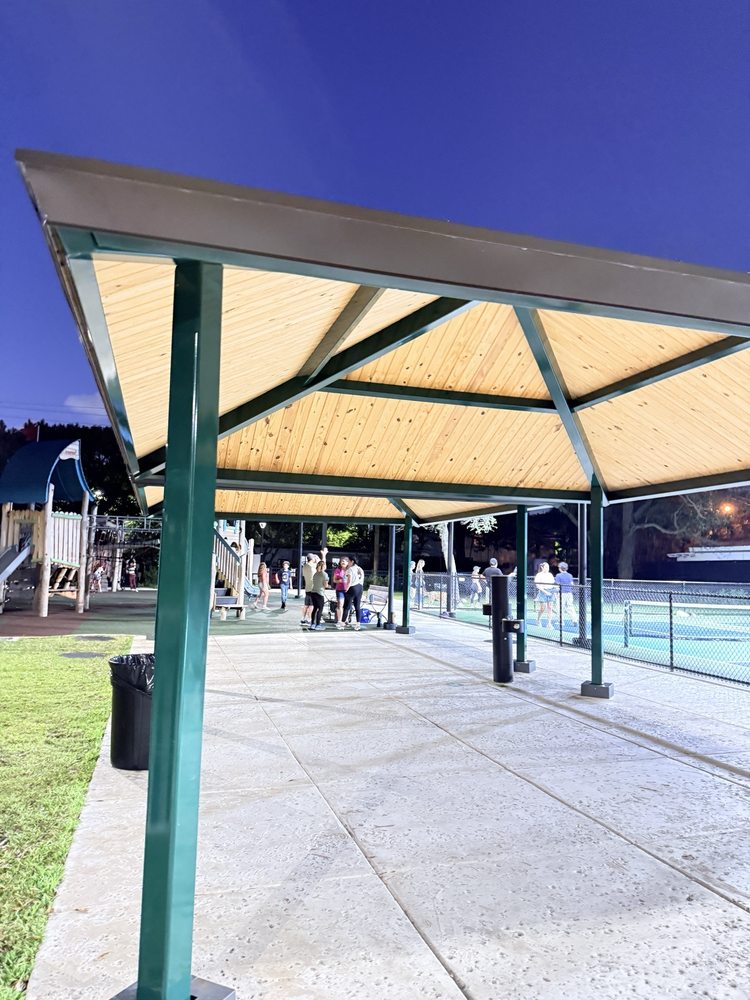


*** The Velvet Brave: Pete's Cobble Hill Adventure *** 2026-07-02T01:16:15.565517700

"*** The Velvet Brave: Pete's Cobble Hill Adventure ***"🐾 ...