"*** Pete the Puggle's Splash of Courage: A Red Hook Adventure ***"🐾
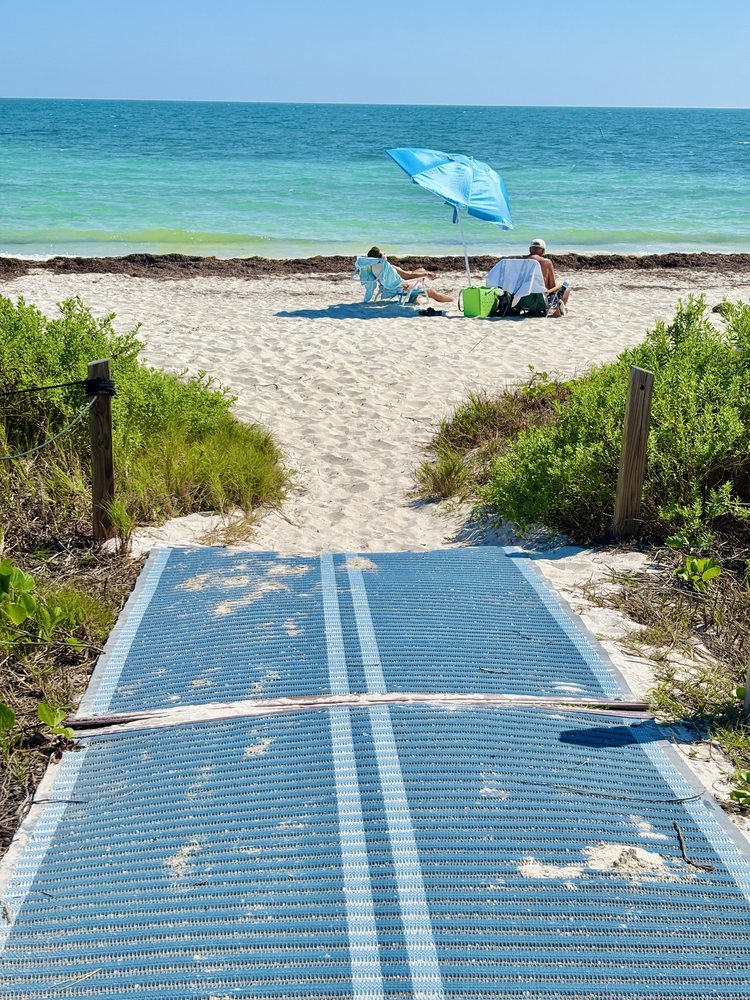

## Chapter One: The Morning of Marvels The sun crept through my bedroom window like a golden cat, all soft paws and warm whiskers, and I stretched my velvety white body across the quilted blanket that Mariya—my mom, my moon and stars—had sewn from old t-shirts and love. My name is Pete, Pete the Puggle, and today was no ordinary morning. Today, the universe hummed with possibility, a secret song vibrating in my very bones. "Pete! Pete! Get your tail in motion!" Roman's voice thundered up the stairs, carrying that particular blend of excitement and command that only older brothers possess. "We're going to Red Hook Recreation Center, and if you're not ready in ten minutes, I'm eating your portion of the picnic sandwiches!" I tumbled off the bed, my short legs scrambling for purchase on the hardwood floor. *Red Hook Recreation Center*, I thought, the words dancing like fireflies in my mind. I'd heard whispers of this magical place—swimming pools that shimmered like sapphires, basketball courts that echoed with the music of bouncing dreams, and vast green fields where adventures bloomed like wildflowers. "Coming, Roman!" I barked, though it came out more like a squeaky trumpet. I dashed down the stairs, my nails clicking a rapid rhythm, and found the kitchen bustling with the beautiful chaos of departure. Lenny—my dad, my mountain of safety—was attempting to fold a beach towel that clearly had no interest in being folded. It kept unfurling like a rebellious scroll, and Lenny's brow furrowed in mock frustration, his warm brown eyes crinkling at the corners. "Need some ancestral wisdom, oh wise one?" Mariya teased, her laughter like wind chimes on a breezy porch. She was packing a wicker basket with sandwiches that smelled of fresh basil and summer tomatoes, her dark hair caught in a messy bun that somehow looked intentional and elegant. "Your mother," Lenny said to Roman, "thinks she's funny. This is a delusion I have lovingly nourished for fifteen years." "Seventeen," Mariya corrected, tapping his nose with a carrot stick. "And I *am* funny. Pete thinks I'm hilarious. Don't you, my little storyteller?" I wagged my entire body, because she was right. Mariya found magic in the steam rising from morning coffee, in the way raindrops raced down windowpanes, in the particular shade of purple that dusk painted across our Brooklyn sky. She'd taught me that wonder was a choice, a muscle to be exercised daily. Roman knelt beside me, his fourteen-year-old hands already strong from basketball and guitar practice. "Pete," he whispered, his voice dropping to the frequency of shared secrets, "I heard there's a water slide at Red Hook. Like, a GIANT one. Like, bigger than our house." His eyes glowed with the particular fire of adolescent imagination, and I felt my heart both leap and sink. Water. The word alone sent tremors through my small frame. I'd never admitted it aloud—how could I, Pete the Puggle, natural-born storyteller and adventurer?—but water terrified me. The bathtub was manageable, a contained kingdom of lukewarm tolerability. But *deep* water? Water that could swallow you whole, that could turn you upside down and inside out until you didn't know which way was sky? "Pete?" Roman's brow furrowed, his protective instincts flickering like a candle sensing wind. "You okay, little dude?" I forced my tail to wag, a metronome of false confidence. "Ready for anything!" I declared, though my voice cracked like a teenager's. Lenny swooped down, scooping me into his arms with the practiced ease of a man who'd held many things—babies, burdens, broken hearts—and kept them safe. "My brave boy," he murmured, his beard scratching my ear in that way I secretly loved. "Remember: courage isn't the absence of fear. It's the decision that something else matters more." I nestled into his warmth, drawing strength from his steady heartbeat. *What matters more?* I asked myself. *Roman's excitement? The adventure? Not disappointing anyone?* The answer came softly, like Mariya's hand on my back: *Becoming who you're meant to be.* We piled into the family van—our trusty steed, our noble carriage—and as Brooklyn's streets unfolded around us like a storybook, I watched the city transform. Brownstones gave way to warehouses, warehouses to the unexpected green of Red Hook's reclaimed waterfront. The recreation center rose before us, a cathedral of play, its red brick glowing in the morning sun like a promise kept. "Here we are!" Mariya sang, and I felt the first raindrop of my destiny fall upon my furry forehead. --- ## Chapter Two: The Kingdom of Chlorine and Dreams The Red Hook Recreation Center sprawled before us like a dream that had forgotten it was supposed to make sense. Its swimming pool was indeed a sapphire, but not the delicate gem of jewelry stores—no, this was the sapphire of ancient crowns, of dragon hoards, of wishes whispered into wells. The water caught the sunlight and shattered it into a thousand dancing pieces, and the sound of children's laughter echoed off every surface like the most beautiful music ever composed. "Wow," Roman breathed, and for once, his teenage cool had completely evaporated. He was a boy again, pure and wondering. "Just... wow." I stood at the edge of the pool deck, my paws pressed against warm concrete, and felt the fear rise in my throat like bile, like a song sung in the wrong key. The water moved with ancient patience, indifferent to my terror, and I imagined it reaching up with liquid fingers to pull me down, down, down to where light forgot its name. "Pete?" Mariya knelt beside me, her fingers tracing gentle circles behind my ears. She didn't force eye contact; Mariya always gave space for feelings to be felt. "I see you, my love. I see something heavy." Her words unlocked something in me, and the truth tumbled out like marbles from a broken jar: "I'm scared. Of the water. I'm scared of disappearing." Lenny and Roman had wandered ahead, arguing good-naturedly about which slide to conquer first, but Lenny's head turned at my words. He walked back with deliberate slowness, each step saying *I am here, I am not rushing you, you have time.* "Disappearing how, Pete?" he asked, settling onto the concrete beside me, not caring about his swim trunks. "Like... like being small. Too small. And the water is big. And what if I can't find the bottom? What if the bottom is too far? What if—" My breath came faster, each inhalation scraping against my ribs. "What if I go under and nobody can find me? What if I'm alone?" The words hung between us, heavy as stones. Alone. The true fear beneath the fear, the root from which all my terrors bloomed. Not just water, but separation. Not just drowning, but being lost. Roman returned, his shadow falling over us, and I expected impatience—teenage restlessness, the hunger for immediate adventure. Instead, he sat cross-legged on my other side, creating a circle of family, a fortress of love. "When I was little," he said methodological, his voice carrying the weight of memory, "I got lost at Coney Island. Like, properly lost. Couldn't find Mom and Dad for forty minutes. I thought..." He laughed, but it was the laugh of old pain being gently touched. "I thought they'd left me. That I wasn't worth finding." Mariya's hand flew to her mouth, her eyes glistening. "Roman, we were frantic. We never knew—" "I know," he said quickly. "I know that *now*. But in those forty minutes, I built this whole story about being abandoned. About not being enough." He reached out, his finger touching my paw. "The story felt so real, Pete. But it was just a story. The real thing was: you guys never stopped looking. You never would." Lenny nodded, his wisdom like deep water itself—calm on the surface, unfathomable below. "And Pete, we will never stop looking. Not ever. Not for anything. You could swim to the deepest part of this pool, and we would come find you. You could float to the middle of the ocean, and we would build a boat from our love and sail to you." His words painted pictures in my mind: a boat constructed of braided heartbeats, of family dinners and bedtime stories and the particular way Mariya hummed while cooking. A vessel that could never sink because it was built from the buoyant material of belonging. "But," Roman added, his grin returning like sun after rain, "you don't even need the boat, dude. Because I'm gonna teach you to swim. Like, for real. Like a puggle mermaid. Merman. Mer-puggle?" "Mer-puggle," Mariya confirmed, her laughter dissolving the last of my tension like sugar in tea. "It's definitely a thing." The morning unfolded like a flower persuaded by patience. We claimed a corner of the pool, Roman's instructional kingdom, and he began with the simplest lesson: getting wet. Just my paws. Just the edge. The water was warmer than expected, almost welcoming, and I found myself venturing deeper by centimeters, then inches, then with tentative doggy-paddles that sent me sputtering but not sinking. "You're doing it!" Roman cheered, his face split by a grin that could power small cities. "Pete, you're actually doing it!" And I was. Fear still sat in my chest, a guest who hadn't quite left, but it was no longer the only occupant. Something else was building there: pride, wonder, the first sparks of what might become confidence. We took a break at midday, the sun now directly overhead, a benevolent watchman. Mariya produced sandwiches that tasted of sunshine and maternal devotion, and Lenny told a joke so terrible that Roman actually groaned aloud, which made it somehow more perfect. "Why did Martins paint their doors red?" Lenny asked, his eyes crinkling with anticipated delight. "Dad, no—" "So they could *see* them!" The groan that followed could've been heard in Queens. But I laughed, a real belly-laugh, and felt my heart expand in my chest like a balloon filling with something lighter than air. It was then that I noticed him—a figure approaching across the pool deck with the fluid grace of water itself, of wind through willows. He moved like a poem written in muscle and intention, and recognition bloomed in me like a long-awaited spring. "Bruce Lee!" I yelped, scrambling to my feet, my wet fur suddenly irrelevant. --- ## Chapter Three: The Dragon of Bay Street Bruce Lee—my old friend, actor and companion of our family, possessor of martial arts abilities that seemed to bend reality itself—smiled as he approached. Not the performer's smile, not the camera's demand, but something genuine and warm as summer pavement. "Pete!" His voice carried the particular music of Hong Kong and Hollywood, of dojos and film sets and late-night conversations about the meaning of movement. "I heard there was a puggle here in need of aquatic education. Could it be the same Pete who once told me that water was 'basically liquid death'?" I hung my head, embarrassed by my former self's dramatic proclamations. "I might have said something to that effect." "You also said broccoli was 'the vegetable of betrayal,'" Mariya added helpfully. "And that the vacuum cleaner was 'a soul-sucking demon from the dimension of loud,'" Lenny contributed. "Okay, okay!" I laughed, my embarrassment transforming into something warmer, more communal. "I was a pup of strong opinions!" Bruce settled cross-legged before me, his body folding with the precision of origami, and his eyes—dark and depthless as forest pools—held mine with gentle intensity. "Strong opinions are the beginning of courage, Pete. They mean you feel things deeply. The trick is learning which opinions serve your growth, and which imprison you." He gestured toward the water, where children splashed and shrieked in uncomplicated joy. "Water is not your enemy, my friend. It is teacher, mirror, medicine. But you must meet it with respect, not terror. With curiosity, not story." "What do you mean, 'story'?" I asked, though I suspected I knew. Bruce's hands moved as he spoke, illustrating his words with subtle gestures, each one a small martial art of communication. "You have told yourself a story about water. That it will swallow you, separate you, transform you into something lost. But is this the only story? Could there be another?" I considered. The water still shimmered, still held its ancient patience, but now I noticed other things: how it caught and held the sunlight, transforming it into something playable, something danceable. How it supported the children who couldn't yet swim, their floaties and noodles mere extensions of its own buoyancy. How it returned each splash to itself, never losing a drop, a perfect system of give and receive. "Maybe..." I began slowly, "maybe the story could be that water holds me up. That I can move through it, not just in it. That it's... a friend I haven't learned to know yet." Bruce's smile was sunrise over mountains. "Exactly so. And the best way to know a friend?" "Spend time with them," Roman answered, surprising us both. He'd been quietly listening, his respect for Bruce evident in his attentive posture. "Like, real time. Not just watching from the edge." "Your brother is wise," Bruce observed. "Sometimes," I agreed, and Roman flicked water at me in mock offense. The afternoon progressed in a haze of incremental courage. With Bruce and Roman flanking me, with Lenny and Mariya's encouraging presence on the pool deck like human safety nets, I ventured deeper. I practiced the stroke Roman taught me—"Just like running, but horizontal and wetter"—and found that water could indeed hold me, could become a medium for my small body rather than a threat to it. But as shadows lengthened and the sun began its descent toward the western buildings, a new element entered our idyll. The pool's population thinned, families departing for dinner and evening routines, and the light shifted from gold to something more ambiguous, more challenging. It was then that I noticed the *thing* in the deep end. At first, I thought it a trick of light, the sunset playing strange games with water and concrete. But as I watched, treading water near Roman, the shape clarified: a dark mass, larger than me, moving with purpose beneath the surface. A pool filter? A shadow? My heart began its familiar acceleration, the drumbeat of fear. "Roman," I whispered, my voice barely audible. "Do you see that?" He followed my gaze, squinting against the water's glare. "See what?" But I knew what I saw. Or rather, I knew what my fear wanted me to see: the physical embodiment of all my water-terrors, a dragon of my own creation, rising from the depths to claim me. The shape surfaced—a beach ball, escaped from some forgotten game, drifting lazily in the current of the pool's circulation system. I felt foolish, then relieved, then something else: aware. Aware of how my mind constructed monsters from innocence, how readily I transformed the unknown into the threatening. It was a pattern, I realized, not just with water but with darkness, with separation, with any experience that asked me to trust rather than control. "Just a ball," Roman said, but his voice carried no mockery. "Your brain's a drama factory, dude." "Tell me about it," I muttered, but I was smiling. The recognition of pattern felt like power, like the first step of a journey I hadn't known I was on. Bruce appeared beside us, his treading water so efficient it seemed almost stillness. "You saw something," he stated, not asked. "And you faced it. Even if it was not what you feared, the facing matters." As we swam toward the edge, the light continued its transformation, and I felt the first cold whisper of evening. But I was different now. The water held no less mystery, no less genuine power, but my relationship to it had shifted. I was learning to swim in my fear rather than be drowned by it. --- ## Chapter Four: The Labyrinth of Shadows We decided to explore the recreation center's other offerings before complete darkness fell—the basketball courts, the game rooms, the walking paths that wound through the surrounding green space. But as families departed and staff began locking certain areas, our group grew distracted. Mariya discovered a community garden she hadn't noticed before, herbs and vegetables growing in raised beds with handwritten signs identifying them. Lenny found a pickup basketball game and couldn't resist joining, his competitive spirit warring with his paternal instincts. Bruce was recognized by a group of teenagers who'd studied his films, and his generous nature couldn't refuse their requests for stories, for demonstrations of movement. Roman and I wandered to the edge of the property, where a nature trail promised "Adventure Awaits!" on a weathered wooden sign. The path wound through trees that grew denser as we walked, the sounds of the recreation center fading behind us like a dream upon waking. "Pete, we should probably head back," Roman said, but his voice lacked conviction. At fourteen, the boundary between caution and adventure was still being negotiated, and adventure often held the stronger hand. "Just a little further?" I pleaded, my curiosity a living thing, hungry and insistent. "Look at the light through those leaves. It's like... like the forest is making stained glass." Roman couldn't resist my poetic impulse—nobody could, really—and we pressed on. The path forked, then forked again, each choice feeling significant, weighted with metaphor. We chose left, then right, then I couldn't say which way, and suddenly the sounds we expected—Lenny's laugh, Mariya's calling voice, the distant splashing of the pool—had all disappeared. "Okay," Roman said, his voice carefully controlled, "this is fine. We just need to retrace our steps." But the path behind us had changed, or we'd changed, or something had changed, because the landmarks we'd noted—a particular rock, a distinctive tree—seemed to have rearranged themselves in our wake. The light was definitely fading now, not the romantic fading of sunset but something more urgent, more complete. And then: complete darkness. Not truly, of course. There was still twilight above, stars beginning to pierce the deepening blue. But beneath the tree canopy, in this unfamiliar territory, darkness reigned absolute. I couldn't see my own paws, couldn't see Roman's face though I knew he was inches away. "Pete," he whispered, and his voice cracked on my name. "I'm scared." The admission cost him something. Roman, who'd taught me to swim, who'd never shown me anything but confidence—Roman was scared. And in his fear, I found something unexpected: my own fear transformed, or perhaps transcended. It was no longer about me, alone, small, lost. It was about us. About what we could be for each other. "I'm here," I said, and my voice was steady as bedrock. "I'm right here, Roman. And I'm not leaving you." I felt his hand find my fur, grip perhaps too tight, but I didn't complain. We sat together in the darkness, two hearts beating, and I thought of all the fears I'd faced today. The water, which I'd entered. The shadow-beast, which I'd recognized as illusion. And now this: the dark, the separation, the primal terror of being lost. "I used to be scared of the dark," Roman admitted, his voice barely audible. "When I was little. I'd wake up and not know where I was, even in my own room. Mom would come sit with me, and she'd say... she'd say the dark was just a blanket the world put on when it got sleepy." "That's beautiful," I whispered. "Yeah, well." He laughed, a broken sound specifier. "It stopped working when I got older. I had to find other... other blankets, I guess. Other ways to feel safe." "Like what?" A pause, filled with the sounds of night emerging: crickets, distant traffic, the whisper of wind through leaves. "Like being the brave one. Like being the one who protects you, Pete. If I'm protecting someone, I don't have space to be scared." I understood then, with the clarity that sometimes visits in moments of crisis. Roman's whole identity as my big brother, as the family's young protector, was built partly on this need—to be brave so he wouldn't have to feel fear, to be strong so he wouldn't have to feel small. And now, in this darkness, the structure was showing its cracks. "You don't have to be brave for me," I said, pressing closer to his side. "You can just be here reassuring. You can just be Roman. That's enough. That's more than enough." He made a sound, half-laugh, half-something else, and I felt wetness on my fur where his face pressed against me. "You're gonna make me cry, Pete. In the dark. Where nobody can even see how uncool I look." "I see you," I said. "That's what matters." We sat in our shared darkness, and something shifted. Not the darkness itself—that remained complete, unyielding. But our relationship to it. We were no longer victims of the dark but inhabitants of it, explorers of a temporary condition. The dark didn't erase us; it simply changed the terms of our existence. "I think," Roman said slowly, "if we follow the sound of traffic, we can find our way back. The highway's east of here, and the center's south of the highway, so..." "So we go toward the cars," I finished, "and then turn when we hear water. The pool, Roman. We can follow the sound of the pool." It was a plan. A thin plan, perhaps, but something to move toward, something to do besides sitting in spiraling fear. We stood—Roman first, then me, his hand never leaving my back—and began to walk. --- ## Chapter Five: The Symphony of Finding Moving through darkness is an exercise in trust. Each step is a negotiation with the unknown, a small surrender to forces beyond control. Roman stumbled once, twice, his teenage body not yet fully coordinated with the demands of night navigation. I guided him with subtle pressure, my body ahead of his shins, my ears catching sounds he couldn't process: the scurry of small creatures, the rustle of leaves, the ever-present whisper of wind. "You're good at this," he whispered, and I heard genuine admiration. "The dark, I mean. You're not scared anymore?" I considered. The truth was complex, layered like sedimentary rock. "I'm still scared," I admitted. "But I'm doing it anyway. It's like... like when we were swimming. The fear didn't disappear. I just made room for other things." "Like what?" "Like wanting to find our family. Like wanting to be brave for you, the way you've always been brave for me." We walked in silence for a stretch, the traffic noise gradually increasing. "Roman, why do you think we get so scared? Of water, of dark, of being alone?" His hand tightened slightly on my fur, not painful, just present. "I think... I think it's because we know what we have. And we're terrified of losing it." The simplicity of this wisdom struck me like a bell. We weren't afraid of water or dark or separation in themselves—we were afraid because we knew love, because we knew belonging, and the thought of its absence was unbearable. Our fears were the flip side of our treasures. The traffic sound grew louder, and with it, other sounds: voices, distant but carrying that particular timbre of concern, of searching. I strained my ears, my puggle heritage—those beagle ancestors, those listening hounds—serving me well. "Pete? Pete!" Mariya's voice, threaded through with worry but carrying hope like a golden thread through dark cloth. "Mom! We're here! We're okay!" Roman's voice broke on the words, all his constructed composure dissolving in the face of reunion. We emerged from the tree line to find a scene of beautiful chaos. Lenny was speaking with a security guard, his usual warm composure cracked enough to show the fear beneath. Mariya was moving systematically through the garden area, calling our names with the regularity of a lighthouse beacon. And Bruce—Bruce stood apart, his body language suggesting he'd been about to enter the woods himself, his martial artist's discipline warring with his friend's panic. "Mariya!" Lenny's voice, finding us first, and then they were all moving, converging, a family constellation reforming around its missing stars. Mariya reached us first, dropping to her knees with complete disregard for her jeans, gathering both Roman and me into an embrace that threatened to become permanent. "You're cold," she observed, though she was shaking herself. "You're cold and you're here and you're okay." "We got lost," Roman said, his voice muffled against her shoulder. "I'm sorry, Mom. I should have—" "Shh," she interrupted, her hand cradling his head as she had when he was small. "You're here. That's the only should that matters." Lenny arrived, his face a map of relief so profound it looked almost like pain. He didn't speak, just added himself to the embrace, and I was surrounded by the warmth of family, by the particular pressure of bodies that meant *you are found, you are held, you are safe.* Bruce stood at the edge of our circle, and I saw something in his eyes—recognition, memory, perhaps his own history of being lost and found. When our eyes met, he smiled, and it was the smile of one traveler recognizing another on a road they both know well. "The darkness," he said softly, "is not the enemy. It is the canvas. The space where we learn what light truly means." --- ## Chapter Six: The Return and the Rising We returned to the pool area, now illuminated by artificial lights that transformed the water into something otherworldly—a liquid sky, a horizontal moon. The evening swim session had ended, and we had the deck largely to ourselves, our family and Bruce, the night staff moving through their closing routines with the relaxed pace of those near shift's end. Mariya had produced emergency blankets from the car—"I always pack for disaster," she'd explained, "it's my superpower"—and wrapped Roman and me until we resembled small, shivering burritos. The warmth gradually returned, but something else returned faster: the sense of anticlimax that follows intense experience, the body and heart unsure how to process what they've survived. "Pete," Lenny said, settling onto the pool edge and dangling his feet in the water, "would you tell us? What happened in there?" And so I did. I told them about the darkness becoming companion rather than enemy, about Roman's confession and my own realization about fear being love's shadow. I told them about following the sound of traffic, about the moment when being lost transformed into being *on a journey*—subtle distinction, but crucial. "You're different," Mariya observed, her head tilted in that way she had, as if trying to see around corners of personality. "Something's shifted." "I think," I said slowly, working the thought into words as I spoke, "I think I was waiting to stop being scared. Like, I thought courage meant eventually not feeling fear. But tonight, in those woods, with Roman—I was scared the whole time. I just didn't let it stop me." "That's the real thing, isn't it?" Bruce spoke from the shadows near the lifeguard chair, where he'd retreated to give our family space. "Courage as movement, not absence. The warrior who fights though afraid. The swimmer who enters though the water is deep." He rose, moving to the pool's edge with that liquid grace, and extended his hand—not to me, but to Roman. "Your brother has something to teach, I think. About finding the way. About trusting the dark." Roman looked surprised, then pleased, then something more profound—seen, perhaps, in a way he hadn't expected to be. "I just followed Pete," he said. "He knew which way to go." "Because you were with me," I added quickly. "I couldn't have done it alone. I don't want to do anything alone." This was the heart of it, I realized. Not the conquest of fear but its contextualization. My fears of water, of dark, of separation—they didn't disappear because I was brave or strong or special. They became manageable because I was connected, because I had people to face them with, people who would come find me if I drifted, who would sit with me in darkness, who would build boats from love and sail to any distance. "Can we swim?" I asked, surprising myself. "One more time? I want... I want to see the water at night. With you all." Mariya's eyes glistened, but she smiled. "You're sure?" "Not sure," I admitted. "But willing. Is that enough?" "It's everything," Lenny confirmed, and we moved to the water's edge, this family of various sizes and species, and together we entered the night-cooled pool. The water was different now—not the friendly warmth of afternoon but something more challenging, more elemental. My body remembered the lessons of the day, the strokes and breathing and trust in buoyancy, but my heart remembered more: the fear, the facing, the transformation. We floated together, our bodies forming a loose constellation in the pool's center. Above, stars were visible despite Brooklyn's light pollution, pinpricks of ancient light reaching across impossible distance to touch our upturned faces. --- ## Chapter Seven: The Alchemy of Experience "Can I tell you something?" Roman's voice floated across the water, younger than I'd heard it in years. "When we were lost, and Pete said I didn't have to be brave... I felt like I could finally breathe. Like I'd been holding my breath for years and didn't know it." Mariya swam closer to him, her movements creating gentle ripples that rocked me like a cradle. "I've been so proud of your strength, Roman. Your protectiveness. But I think I forgot to tell you that you can be fragile with us. That you don't have to earn your place by being useful." "You told me once," Lenny added, his voice carrying the weight of memory, "that you wanted to be a superhero. Do you remember? You were six, maybe seven. You said superheroes were the best because they got to save everyone." "I remember," Roman whispered. "But you know what real heroes do, son? They let themselves be saved too. They let themselves need. That's the harder thing, sometimes. To receive as gracefully as you give." Bruce, who had been silently treading water nearby, chimed in with his characteristic blend of philosophy and practicality: "In martial arts, we speak of *ju*—yielding, receiving, the soft that overcomes the hard. The tree that bends survives the storm. The warrior who knows when to be supported is stronger than the warrior who only knows support." I paddled to Roman, pressing my wet head against his shoulder. "You saved me today," I said. "By being scared with me. By letting me be brave for you. That's the superpower, Roman. That's the real thing." He gathered me, and we floated together, two creatures who'd faced darkness and found each other on the other side. The night deepened around us, and eventually we climbed out, our fingers and paws wrinkled with water-time, our hearts expanded with shared experience. We changed, we dried, we gathered our belongings with the loose coordination of those still processing profound experience. As we prepared to depart, I looked back at the Red Hook Recreation Center—the pool now calm and dark, the buildings quiet, the whole place breathing with the slow rhythm of night-rest. This place had been ordinary this morning, just another Saturday destination. Now it was inscribed with our story, marked by our transformations. --- ## Chapter Eight: The Circle Complete We found a late-night diner, its neon sign flickering *OPEN* like a promise, and settled into a booth with the ease of those who've earned their hunger. The menu was extensive, but we all ordered variations of the same thing: comfort, warmth, sustenance for the journey home. "So," Lenny said, once coffee had been poured and orders placed, his voice carrying the particular tone of someone about to attempt synthesis, "what do we take from today? What stays?" Mariya answered first, her fingers wrapped around her mug like a prayer. "That the things we're scared of often hold the lessons we most need. I was terrified when we couldn't find you two. But in that terror, I felt how much you matter. How completely. The fear was love's messenger." "That we don't have to face things alone," Roman contributed, his hand finding mine beneath the table. "That maybe the best officialese of fear is the connection that comes from sharing it." Bruce nodded, his chopsticks precision-picking a dumpling. "And that our vulnerabilities, shared become strengths. Pete's fear of water taught me something about my own fears—of aging, of being forgotten, of the body failing where once it soared. We are all students in the same school." They turned to me, this family of mine, and I felt the weight of their attention not as pressure but as gift. "I learned that courage isn't a destination," I said, working each word into being. "It's a practice. Like swimming, like martial arts, like love. I was scared of the water this morning, and I'm still scared of it now. But I swam anyway. I was scared of the dark, scared of being lost, and I moved through it anyway. The fear didn't go away. I just got bigger than it. Or we did. Together." Lenny raised his coffee mug, and we all followed, even Bruce with his tea, even me with my water bowl. "To getting bigger," he toasted. "To fear and love and the courage that walks between them." "To getting found," Mariya added. "To finding each other," Roman corrected gently. We drank, and the moment settled into memory, another chapter in our ongoing story. Outside, Brooklyn hummed its eternal song, millions of lives intersecting in their own versions of this same journey—fear and courage, separation and reunion, the darkness that teaches us to see. In the weeks that followed, I would return to this day. When the bathtub seemed too vast, when shadows stretched into threatening shapes, when the world felt too big and I too small—I would remember. The water that held me up. The darkness that became companion. The hands that never stopped searching, the voices that never stopped calling, the love that built boats and sailed any distance. Tonight, though, I was simply Pete. Pete the Puggle, velvety and small, surrounded by my people in a diner booth, full of diner food and something more sustaining. I was the pup who'd faced his fears and found them to be teachers in disguise. I was the storyteller with a new tale to tell, a tale not of conquest but of connection, not of fear eliminated but of fear transformed. As we drove home through Brooklyn's night, the city lights reflecting in the van's windows like captured stars, I settled into Mariya's lap and let the day replay in my mind. Each moment glowed with significance: the first touch of pool water, the shadow-beast revealed as ball, the darkness that became intimate, the reunion that healed all wounds of separation. Roman caught my eye in the rearview mirrorале, and he smiled—the real smile, not the performer's, not the protector's, but something earned through shared vulnerability. We understood each other now in a new way, bound by the particular intimacy of having been lost together, of having found the way together. "Pete," he mouthed, and I saw the shape of words more than heard them: *Thank you.* I closed my eyes, the car's motion rocking me toward sleep, and thought of water—no longer liquid death but liquid possibility, a medium for movement and growth. I thought of darkness—not absence of light but presence of something else, a different kind of seeing. I thought of family—not the absence of fear but the presence of love strong enough to hold all fear and transform it. Tomorrow would bring new fears, new challenges, new opportunities for courage to be practiced. But tomorrow was another story, another chapter in the ongoing adventure of Pete the Puggle and his beloved family. For tonight, I let myself be held, be found, be home. *** The End ***
Use these buttons to read the story aloud:



No comments:
Post a Comment