"*** Pete the Puggle and the Lanterns of Galärparken ***"🐾


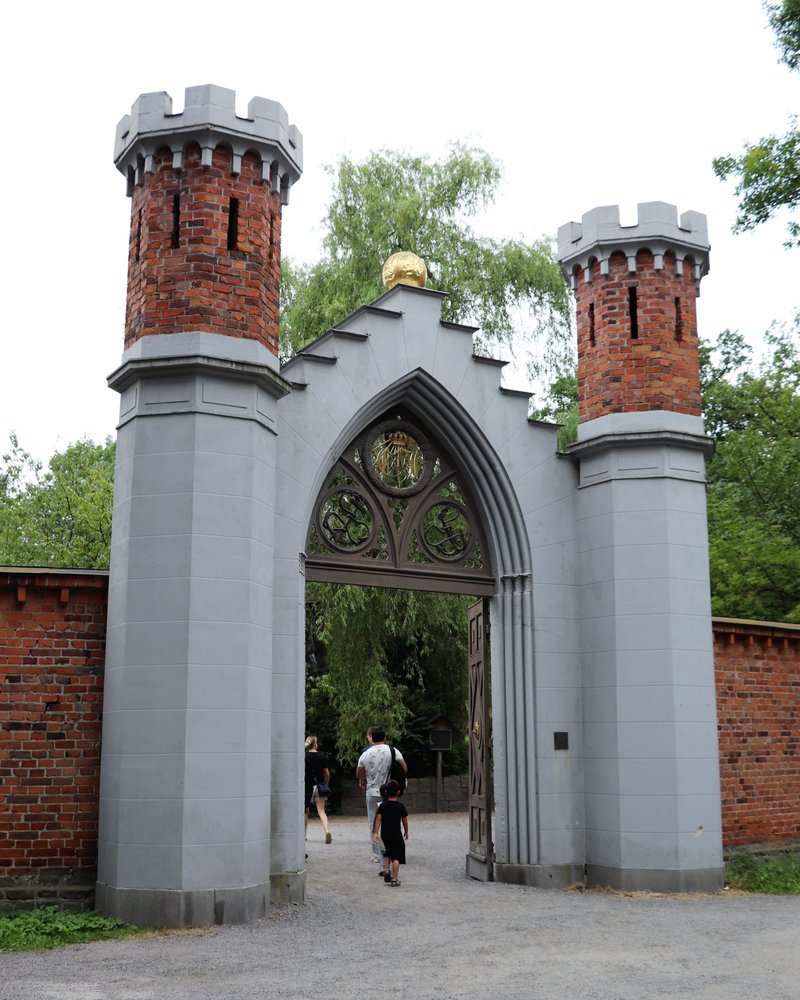
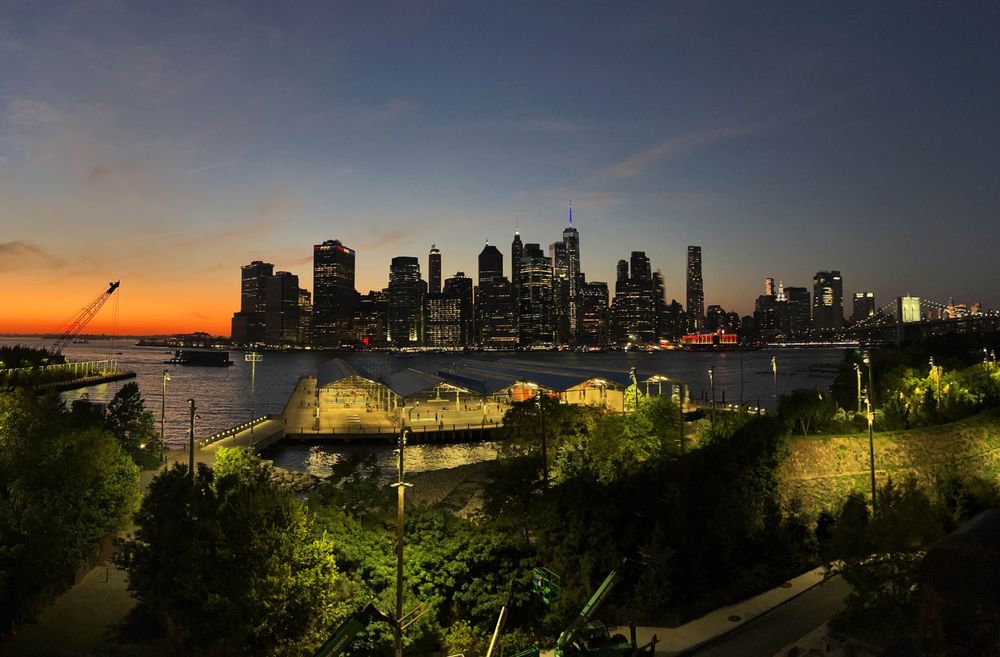
## Chapter One: The Morning That Smelled of Salt and Cinnamon The morning came tiptoeing into Stockholm like a cat with silver paws, and I, Pete the Puggle, woke with my nose twitching and my heart thumping like a drum in a parade. My white fur was still rumpled from sleep, and the playful streaks around my eyes—Mariya calls them my “brave comet tails”—felt tickly as I blinked at the sunlight pouring through the window. Somewhere below, Lenny was singing off-key to the coffee machine, Roman was arguing with his shoelaces, and Mariya was opening the curtains as if she were unveiling a painting. “Galärparken today!” Mariya announced, her voice bright as a spoon tapping glass. “The water, the old ships, the museum roofs, the green paths—oh, Pete, the park will be full of smells no one has named yet.” I wagged once, bravely, and then remembered the water. My tail slowed. Galärparken sat by the glittering harbor, where boats nodded like white birds and the sea breathed in and out against the stones. To everyone else, water was a mirror, a road, a song. To me, it was a huge blue mouth that might swallow a small puggle without even chewing. Roman flopped beside me and scratched behind my ear. “You’re doing the worried eyebrow thing,” he said. “Both eyebrows. Very dramatic.” “I do not have eyebrows,” I said, though I absolutely did in that moment. Lenny leaned in the doorway with his travel mug and his warm Dad-smile. “Courage isn’t the absence of wobble,” he said. “It’s taking your wobble for a walk.” Mariya knelt and touched my nose with hers. “We go together,” she whispered. “That is the spell.” Outside, the city shone after night rain. Bicycles hissed over wet streets; gulls wrote white commas across the sky; the air smelled of salt, cinnamon buns from a kiosk, and the green breath of leaves. As we crossed toward Galärparken, the old ships rose beyond the trees like sleeping giants, masts pricking the clouds. Roman ran ahead, then circled back, because being older meant pretending not to wait while always waiting. “Race you to the first bench!” he shouted. “I permit you to win,” I replied, sprinting anyway. But when the path curved and the harbor flashed between trunks, my paws slowed. The water chuckled against the rocks. It sounded friendly. That frightened me more. Friendly things can still be deep. Roman noticed. He always noticed, even when he teased. “Hey,” he said softer, dropping to my level. “We don’t have to conquer the ocean before breakfast.” “What if it pulls?” I asked. “What if the edge is slippery? What if I look down and the bottom looks up?” He considered this with great seriousness. “Then we start with puddles,” he said. “Tiny oceans for tiny lions.” “I am not tiny.” “Tiny lions are the loudest,” he said, and I laughed despite myself. From the direction of the old shipyard came a booming laugh that rolled over the grass like thunder wearing a velvet coat. “Ho! The Puggle has arrived! The day improves!” Baron Munchausen strode toward us in a coat with too many pockets, his hat tilted as if it had survived three storms and one opera. Behind him trotted his faithful friends: Mira the swift kestrel on his shoulder, Bramble the one-eared dog with a sailor’s gait, and Professor Nib, a mouse who rode in the Baron’s cuff and claimed to have read every tide chart ever printed. “Family!” the Baron cried, spreading his arms. “I smelled adventure and cinnamon, which is either breakfast or destiny.” Lenny shook his hand. “Both, if we’re lucky.” The Baron bent to me, eyes twinkling like lanterns in a friendly cave. “Pete,” he said solemnly, “I hear the water has been telling you scary stories.” “It has a loud voice,” I admitted. “Then today,” he said, tapping his chest, “we teach it manners.” ## Chapter Two: The Bridge of Small Brave Steps Galärparken opened around us like a green book with silver edges. Paths curled between lawns where families picnicked under birches; museum roofs rose dark and handsome; ropes creaked on moored boats; and the water—always the water—kept flashing at the edge of my sight like a mischievous mirror. Ducks argued near the reeds. A child dropped a leaf into the current and cheered as if she had launched a navy. Baron Munchausen led us to a low wooden footbridge no wider than a bakery shelf. Beneath it ran a narrow inlet, calm as soup in a bowl. “Behold,” he declared, “the Bridge of Small Brave Steps. Cross it, and you receive the ancient title of Not Afraid of This Particular Bit.” “That is a very specific title,” Roman said. “All great honors are specific,” said the Baron. “No one is knighted for Generally Being Fine.” I stared at the planks. They were dry, safe, and only six paws above the water, but my legs filled with sand. My imagination, traitorous and brilliant, painted the inlet rising in a black curl, cold fingers reaching for my belly fur. I saw myself tumbling, the sky spinning, my family’s voices shrinking above me. My breath came quick and shallow. Mariya sat on the grass and patted the ground beside her. “Tell the fear its name,” she said. “Not ‘everything.’ Just its true, small name.” “Cold,” I whispered. “Deep. Slipping. Being where I cannot touch.” “Good,” she said. “Now tell courage its name.” I thought. “Roman’s hand. Lenny’s joke. Your eyes. Baron’s ridiculous hat.” “Excellent hat,” said Baron, wounded and proud. Lenny stepped onto the bridge first. “I’ll go halfway and tell the boards to behave.” He walked out, turned, and made a solemn face. “Boards, this is Pete. He once barked at a vacuum cleaner for forty minutes and won.” “I did win,” I said, and the memory put one paw forward. Roman came to my side. “Not a race,” he said. “Just steps. I’ll count if you want.” “Count like a pirate,” I said. “One, matey. Two, matey. Three—oh look, a terrifying duck.” I laughed, and the laugh moved my paws. One step. The bridge creaked, not cruelly, but like an old floor saying hello. Two steps. The water below held pieces of cloud. Three steps. Bramble trotted across and back just to show off, his one ear flopping like a flag of encouragement. Mira swooped low and called, “Small wings still fly!” Halfway, my chest tightened again. The inlet suddenly seemed wider, the railing lower, the whole world tilted toward splash. I froze. “I can’t,” I said, and shame tasted metallic. Roman didn’t pull. He knelt on the planks, making himself smaller than me. “Then don’t,” he said. “Just breathe with me. In like smelling soup. Out like cooling soup.” “That is the same soup,” I said. “It’s a very important soup.” We breathed. In: salt, grass, tar from boats, Mariya’s lavender scarf. Out: the tight knot loosening by one thread. I looked not at the water but at Roman’s sneaker, planted firm ahead of me. Then the next plank. Then his hand. Then the far grass under my paws, solid and astonishing. Cheers erupted—Lenny booming, Mariya clapping, Baron firing an imaginary cannon that made only pigeons scatter. I stood trembling and triumphant on the other side. “I crossed,” I said, stunned. “You crossed,” Mariya said, and her eyes shone as if I had carried the moon. The Baron bowed so low his hat nearly fell into the inlet. “The first title is earned. But beware, friends: parks are places where paths like to play tricks. Stay close, for adventure has whiskers and may wander.” We laughed then, because the day was young and fear had just learned it could not stop my feet. Yet beneath the bridge, the current slid away toward darker stones, and something in it seemed to listen. ## Chapter Three: Baron Munchausen and the Story That Opened a Door After my victory, we picnicked beneath an oak whose leaves looked hand-cut from green glass. Lenny produced sandwiches with the ceremony of a royal chef; Mariya unpacked apples, cheese, and a thermos that smelled like summer; Roman stole the crusts and denied it with his mouth full. Baron Munchausen accepted one grape, examined it like a jewel, then fed it to Professor Nib, who declared it “adequately spherical.” “Tell us a story, Baron,” Mariya said, leaning back on her palms. “A true one, if you can manage it.” “My dear,” said the Baron, “truth is a story that has eaten breakfast.” He settled against the oak, and the park seemed to lean closer. Even the gulls quieted. “Long ago, in a harbor not unlike this one, I chased a moonbeam that had stolen the mayor’s shadow. The trail led across water black as ink—” “Water,” I muttered, my sandwich suddenly less interesting. “Ah,” said the Baron gently, “but in that tale, the water was afraid of me.” Roman snorted. “How can water be afraid?” “Everything is afraid of something,” the Baron said. “Fire fears rain. Mountains fear roots. Shadows fear candles. And villains fear being laughed at by a united family.” His gaze softened on me. “The deep dark especially hates one thing: a small light carried by someone who keeps walking.” As he spoke, the air changed. Not colder exactly—more attentive. The oak leaves rustled though no wind moved. A line of mist curled from the harbor and stretched pale fingers over the grass. Bramble lifted his head and growled, not at a person but at the space between two trees where the afternoon seemed to fold. Roman stood. “Do you see that?” “I see many things,” said the Baron, rising with surprising speed. “Some are invitations. Some are warnings wearing perfume.” The mist thickened into a corridor, silvery and low, winding away from our picnic toward the old boathouses near the water. From inside it came a sound like pages turning underwater. My fur rose. Every brave step from the bridge suddenly felt borrowed. Lenny’s voice stayed calm, but he gathered the blanket with efficient hands. “Pete, Roman—close.” We obeyed, mostly. But Mira the kestrel cried out and shot into the mist after a glittering thing only she could see. Bramble barked and lunged after her. The Baron shouted, “No—wait!” and then Professor Nib squeaked from his cuff, “The tide chart is upside down!” which made no sense and therefore alarmed everyone. I should have stayed. I know that now. But when Bramble vanished into the silver corridor, his one ear flashing white, my heart tore loose from its leash. “Bramble!” I cried, and ran. “Pete!” Roman’s hand brushed my tail and missed. The mist swallowed me like a cool wave that had learned to walk on land. Instantly the park changed. Sounds became padded; colors leaned toward blue; the path under my paws felt both familiar and wrong, as if Galärparken had turned its face sideways. I skidded, calling, “Bramble! Baron! Roman!” My voice came back small. Then Bramble burst from a hedge, eyes wide. “Wrong way,” he panted. “The mist moved the doors.” “Doors?” I yelped. Behind us, the corridor closed with a soft, terrible sigh. Ahead, lanterns flickered where no lanterns had been, leading down toward the black shine of water and a boathouse crouched like a crab. My old fears arrived all at once, dressed for a party: water chuckling, dark gathering, family nowhere. Bramble pressed his shoulder to mine. “Then we make our own door,” he said. “Baron taught me. Even scared dogs have keys.” “What key?” I whispered. He looked at me with his lopsided, faithful face. “Each other.” ## Chapter Four: The Boathouse of Whispering Dark The boathouse waited beneath a roof green with moss, its doors open just enough to suggest a grin. Inside, ropes hung from beams like sleeping snakes, oars leaned in rows, and old boats rested with their bellies full of shadow. The air smelled of tar, rust, wet wood, and something sweetly rotten, like flowers left too long in a vase. Water slapped beneath the floorboards through gaps I tried not to see. Bramble and I slipped inside because the mist behind us had begun to whisper our names in voices almost like Mariya’s and almost like Lenny’s, which was worse than any monster howl. “Peeeete,” it cooed. “Come baaack.” “That is not Mom,” I said, shaking. “Your mom says ‘snack’ more often,” Bramble offered, and we both almost laughed, which helped. The lanterns we had followed floated near the far wall, blue flames without heat. Beneath them stood a figure made of fog and old nets, tall as Lenny but thin as a mast. Its face kept changing: first a wave, then a hook, then the worried eyebrow I make when I pretend not to be scared. “Small things,” it sighed, and the floor trembled. “Lost things. I keep them.” My legs wanted to become part of the floor. The dark pressed my ears; the water below knocked like knuckles; and separation, the oldest fear, curled cold around my ribs. I imagined Mariya lifting the picnic blanket and finding only my leash. I imagined Roman running the wrong way. I imagined Lenny’s joke dying in his throat because I was gone. Bramble stepped forward, braver than I felt. “We are not things,” he said. “And we are not kept.” The figure leaned down. “All who enter the mist are misplaced.” “Then give us back our place,” I said, surprising myself. My voice squeaked, but it had teeth somewhere inside. The figure reached with fingers like dripping rope. I backed onto a trapdoor, and it opened beneath one paw. Black water flashed under me. I yelped, claws scrabbling, certain I would fall into the cold mouth I had feared all morning. Bramble seized my scruff in his teeth and hauled; I kicked; the trapdoor banged; for one endless second I hung over the dark with my belly exposed to everything terrible. Then we collapsed together on solid boards, panting. “Not today,” Bramble growled at the water. The net-figure laughed, and the laugh made spiderwebs shiver. “Brave is loud,” it said. “Loud is easy to catch.” I understood suddenly that fear had been feeding it—my fear of water, of dark, of being lost, all steaming off me like soup. If I kept pouring fear out, it would grow fat. So I did the hardest thing: I stopped trying not to be afraid and instead became busy. “Bramble,” I whispered, “the lanterns are tied to that cleat. If they’re its eyes—” “Then we blink it,” he said. We darted between oars. The figure swept an arm; Bramble rolled; I ducked under a boat and came up sneezing dust. My paws splashed through a puddle on the floor—water!—and I froze for half a heartbeat. It was cold. It was wet. It did not eat me. I looked down at my reflection trembling in that tiny puddle and thought of Roman: tiny oceans for tiny lions. “One, matey,” I whispered, and ran through it. I bit the lantern rope. It tasted like mildew and pennies. Bramble slammed his shoulder into the cleat once, twice; the knot loosened; the blue flames wobbled. Outside, faint but real, I heard Roman shouting my name, raw with panic, and the sound cut through the mist like a rope thrown across a river. “Roman!” I barked with everything I had. The net-figure turned toward the voice, hungry for a new fear. That was its mistake. For the boathouse doors burst open, and Roman stood there with Baron Munchausen behind him, light flooding around them like dawn that had lost patience. ## Chapter Five: Roman Finds the Thread Roman did not look cool in that doorway, and I loved him more for it. His hair was wild, one shoe muddy, his face pale with the kind of fear that makes people move faster than thought. “Pete!” he shouted, and the name landed in me like a warm stone. The net-figure swelled, filling the boathouse with the smell of drowned rope. “Mine,” it moaned, reaching for Roman now, for the fresh bright terror on his face. Baron Munchausen stepped in beside him, no longer a picnic uncle but something old and weathered and blazing. “You may keep lost buttons,” he said, voice rolling, “and perhaps one umbrella from 1897. You may not keep my friends.” Mira screamed down from the rafters, a feathered arrow. Professor Nib popped from the Baron’s cuff holding a bent pin like a sword. “For accurate tides!” he squeaked, which confused everyone, including the enemy. The figure lashed out. Roman grabbed a coil of rope and, instead of retreating, threw one end to me. “Pete! Around the post!” My body moved before fear could file a complaint. I caught the rope in my teeth, dashed around a support post, and felt the fibers burn my gums. Bramble took the rope too, and together we pulled while Roman looped the other end around an oar rack. The net-figure snagged, fog tearing at the edges. “It hates knots,” Bramble panted. “Knots mean things stay.” “Then let us be extremely knotty,” said the Baron, and with a flourish he produced from one impossible pocket a handful of silver buttons. He flung them into the air; they became tiny moons, spinning, pinning shadows to the walls. Mira dove through the lantern smoke and scattered the blue flames. Professor Nib stabbed the trapdoor shut with his pin and declared, “Closed due to inaccuracies!” The dark in the boathouse thinned. I saw then that the monster was not huge at all, only made of every lonely mist that had ever frightened a child near water. It fed on the moment when eyes look away and paths forget themselves. Roman’s rope tightened; Lenny and Mariya’s voices sounded from beyond the doors, coming closer, calling our names with such love that the walls seemed to straighten. The figure made one last reach for me, fingers brushing my ear. Cold shot through me. The old thoughts rose: You are small. The water is deep. They cannot always find you. I answered out loud, because some truths need air. “I am small,” I said. “And I am found.” Roman hauled the rope. “Now, Pete!” Bramble and I pulled with all our puggle-and-one-eared-dog strength. The post groaned; the net-figure folded inward like a sail losing wind; the Baron clapped once, a sound like a book closing on the final page. With a sigh that smelled of rain giving up, the creature collapsed into ordinary fog and slid out under the doors, harmless as breath on glass. For a second none of us moved. Then Roman dropped the rope and ran to me, and I to him, and we collided so hard we both sat down. He wrapped his arms around my neck and pressed his forehead to mine. “Don’t you ever,” he said, voice cracking, “chase a one-eared dog into haunted soup without me.” “I was rescuing,” I said. “You were being brave and terrible at the same time.” “That is my style,” I said, and burst into shaky laughter. Lenny and Mariya reached the doors then, Mariya crying my name in a way that made the whole park feel warmer. The Baron leaned casually against an oar as if he had planned everything, though his hat was sideways and his cheeks were damp. Outside, Galärparken returned leaf by leaf: green paths, bright water, ordinary ducks committing ordinary crimes. But I was not the same puggle who had entered the mist. The dark had touched me, and I had touched back. ## Chapter Six: The Cold Blue Lesson You might think escaping a whispering boathouse would be enough adventure for one afternoon, but parks, like stories, enjoy testing whether lessons have truly soaked in. We regrouped on the sunny dock where Mariya hugged me so tightly I squeaked, Lenny kept saying, “Well, well, well,” in a voice pretending not to wobble, and Roman refused to let go of my collar even while pretending he was just resting his hand there. Baron Munchausen surveyed the harbor. “The mist is beaten but not embarrassed,” he said. “It left a little courage in the water, and courage must be collected before some eel uses it as a hat.” “Must we?” I asked, eyeing the gentle chop along the dock. “No,” Lenny said at once. “Must is finished for today.” But I looked at the water—really looked. It was not a mouth. It was movement, light, coldness, depth, yes, all true; yet also ducks, reflections, boats, rain beginning again. Fear had told me only the dangerous half and called it the whole truth. I thought of the bridge: one plank, one breath, Roman’s shoe. I thought of the puddle in the boathouse that had not eaten me. “I want to try,” I said. “Not swim. Just… close. With everyone.” Mariya’s face softened into sunrise. “Then we make it a ceremony.” They formed a half-circle at the dock edge: Lenny on my left, solid as a fence; Mariya crouched before me with her scarf trailing like a flag of truce; Roman at my right shoulder, close enough that our fur touched; Bramble behind, blocking retreat from panic but not from choice; Baron slightly apart, humming a tune that sounded suspiciously like a waltz for nervous pirates. “Rules,” Roman said. “You can stop anytime. No splash monsters. No jokes unless they are excellent.” “No promises,” Lenny said. I crept forward until my front paws rested at the very edge where wood met shining space. The water touched the dock below and withdrew, touched and withdrew, patient as a heartbeat. My reflection wobbled: white face, comet-streak eyes, ears alert, a dog who had been lost and found. I lowered my nose. Cold air rose off the surface and filled my head with mineral green smells. “Hello,” I told the water. It said nothing, which was polite. I dipped one paw. Cold zipped up my leg like a tiny electric fish. I gasped; Roman tensed; I did not pull back. The cold became information: temperature, movement, aliveness. It was not trying to keep me. It was simply being water, indifferent and beautiful, and somehow that made it less powerful than my fear had claimed. “Again?” Mariya asked. I put the paw in deeper, then the other. The dock held. My family held. I trembled so hard my tags chimed, but I stayed for three breaths—in like soup, out like cooling soup—while Baron narrated in a whisper: “And here the brave explorer insults the entire ocean by remaining dry-ish.” “I am not insulting,” I said through chattering teeth. “A diplomatic soaking,” he corrected. When I stepped back, my legs were jelly and my chest was fireworks. I had not become a seal. I had not conquered the sea. I had done something stranger and better: I had allowed fear to stand beside me without giving it the steering wheel. Roman crouched and bumped my shoulder. “Tiny lion,” he said proudly. “Medium lion,” I replied. “Getting there.” A bell rang from a passing boat, clear and round. The Baron’s face grew tender. “Courage collected,” he said. “Now, before the museum guards accuse us of improving the exhibits too much, let us find dry socks, warm cocoa, and the exact bench where this family began being even more itself.” ## Chapter Seven: The Long Way Back Is Sometimes the Short Way Home We took the long path through Galärparken because no one wanted the day to end and because my paws, though braver, appreciated distance from deep edges. The rain had washed the park clean; every leaf wore a bead of light. Children chased bubbles near the museum lawn. An old man fed sparrows from his hat, which the Baron saluted as “correct use of headwear.” We walked slowly, a little tired in the good way muscles have after carrying something meaningful. Lenny fell into step beside me. “So,” he said casually, “on a scale from vacuum cleaner to haunted boathouse, how was the day?” “Vacuum cleaner was ruder,” I said. “Boathouse was more educational.” He nodded gravely. “Education often lacks suction.” Mariya laughed and looped her arm through his. “I kept thinking,” she said, “how fear makes the world small. One bridge becomes a canyon. One mist becomes everything. Then someone says your name, and the world gets big again.” Roman kicked a pebble, then retrieved it because he decided it looked lucky. “When I couldn’t see you, Pete,” he said, not looking at me, “my brain showed me all the worst pictures. Really fast. Like a gallery of awful.” “I know that gallery,” I said. “It has terrible lighting.” He smiled, then grew serious. “I kept hearing Dad say, ‘Don’t just panic—pattern.’ So I looked for what was wrong: mist where wind wasn’t moving, Bramble’s paw prints stopping sideways, your bark echoing from low places. The clues were little, but they were threads.” “And you followed them,” Mariya said. “I followed Pete,” Roman answered simply. The Baron walked ahead with Bramble, Mira resting on his hat now like a feathered thought. “In my youth,” he called back, “I once escaped a sultan’s dungeon using only a compliment, a teaspoon, and a chicken who knew Morse code.” “Did the chicken survive?” Lenny asked. “She opened a bakery in Lisbon. Excellent custard tarts. Still sends cards.” No one knew whether to believe him, which was the correct response. At the top of a small rise, the whole harbor opened before us: masts, water, roofs, the city breathing beyond. I felt a tug of the old separation fear—not sharp now, more like an echo reminding me it had existed. I pressed closer to Roman’s leg. He rested his hand on my head without making a fuss. “What did you learn in the dark?” Mariya asked me softly. I thought while a gull argued with the wind. “That dark is not empty,” I said. “It is full of what we bring into it. If I bring only fear, it becomes teeth. If I bring names, breath, friends, soup-counting—” “Soup-counting is vital,” Lenny murmured. “—then the dark has to share the room.” Baron stopped and looked back at us, and for once he did not make a joke. “That,” he said, “is better than most of my stories, and I have ridden a cannonball over three mountains.” Bramble wagged. “He rode the cannonball badly,” he confided. “I landed artistically,” said the Baron. We descended toward the gate as the afternoon turned honey-colored. My paws were tired, my fur smelled of mist and rope and picnic apple, and inside me three fears—water, dark, being lost—sat quieter than before, not gone, but no longer holding all the maps. ## Chapter Eight: Lanterns, Cocoa, and the Shape of Home At our favorite bench near the park edge, Mariya produced cocoa from the thermos as if she had planned for miracles all along. Lenny distributed cups with the solemnity of a knight handing out swords. Roman sat so close our shoulders touched; Bramble curled at our feet with his one ear folded like a comma; Baron Munchausen accepted cocoa, sniffed it, and announced it lacked only cannon smoke. Professor Nib emerged to declare the marshmallows “structurally optimistic.” The harbor beyond Galärparken glimmered as evening lowered its blue velvet. Lights came on along the water, one by one, each small and certain. I watched them and felt the day arrange itself inside me: the bridge creaking, the mist whispering, the boathouse dark, Roman’s rope, the cold paw-dip, the voices calling me home. “I was angry at the water,” I admitted. “For being bigger than me.” Lenny sipped. “Understandable. Oceans rarely ask permission.” “But it isn’t only big,” I said. “It carries boats. It holds ducks. It reflects lanterns. It can be dangerous and still not be my enemy.” Mariya nodded. “That is a grown-up sentence wearing puppy fur.” Roman leaned back. “I learned I can be scared and still useful. Usually I tease because if I’m joking, nobody sees me worry.” He glanced at me. “Today you saw.” “I always see,” I said. “I just let you think your disguises work.” “Rude,” he said, grinning. Baron Munchausen rose as the first stars pricked through. He placed his hat over his heart. “Friends, I have outwitted storms, offended giants, and danced with a duchess who was secretly two otters in a gown. Yet few things impress me like a family that runs toward one another when the mist says run apart.” His voice softened. “Hold fast to that. The world contains nets, ropes, fog, water, dark rooms, and excellent sandwiches. The knot is the answer.” Lenny lifted his cup. “To knots that hold.” “To bridges,” Mariya said. “To tiny lions,” Roman said. “To soup-counting,” I said. “To accurate tides,” squeaked Professor Nib, and we all drank because some toasts are too mysterious to refuse. Before we left, I walked once more to the edge of the path where the water shone beyond the stones. Fear came with me, honest as ever, but it no longer stood in front.
Use these buttons to read the story aloud:



No comments:
Post a Comment