"*** Pete the Puggle and the Moonlit Fountain of Abingdon Square ***"🐾

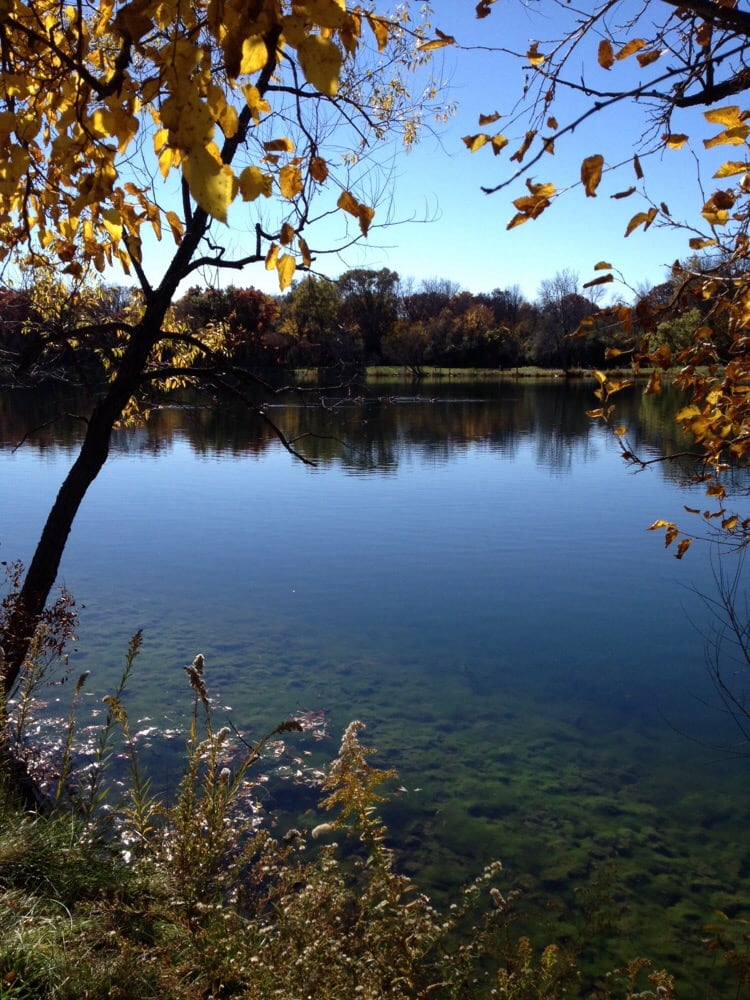

## Chapter One: The Square Beyond the Sniff The morning arrived like a cookie tin opening—bright, promising, and full of smells I wanted to chase. I, Pete the Puggle, with my velvety white fur and the playful little streaks of makeup around my eyes that Mariya called “adventure paint,” bounced at the door while Lenny tied his shoes with the seriousness of a captain knotting a ship’s rope. “Abingdon Square today,” Lenny announced, tapping my nose. “Trees like green umbrellas, pigeons with opinions, and a fountain that sings if you listen politely.” “Does it sing treats?” I asked. Roman laughed and scooped up my leash. “It sings courage, Pete. You’ll need it near the water.” My paws went cold. Water. The word slid through me like ice under a door. I had seen rain puddles swallow sidewalks whole. I had seen the bathtub become a silver ocean. “I don’t need courage,” I whispered. “I have four paws and dignity.” Mariya knelt, her eyes soft as warm bread. “Magic hides in ordinary places, little one. Even inside a scared heartbeat.” She kissed my head, and I pretended not to tremble. Outside, the city blazed with taxis, bicycles, pretzel steam, and the far-off music of people being busy. Abingdon Square waited ahead, tucked between streets like a secret pocket. Its iron fence shone black and curly, its leaves applauded in the breeze, and beyond the gate I heard it—the fountain, laughing in splashes. Then a voice boomed, round as a drum and twice as merry. “Ah! The family of the brave Pete!” I froze. From behind a chestnut tree stepped Baron Munchausen, old friend of our family, tall as a lamppost, with a coat full of pockets and a hat that seemed to have survived three hurricanes and one opera. Beside him fluttered his faithful friends: Kestrel, a bronze-feathered bird with eyes like sparks, and Madame Umbrella, a talking red umbrella who snapped open whenever danger dripped. “Baron!” Roman cried. “You said you were in Constantinople.” “I was,” said the Baron gravely. “Then Tuesday happened, and here I am.” He bowed to me. “Pete, your whiskers are longer. Have you been worrying?” “No,” I said, while worry sat on my back like a heavy backpack. He leaned closer and whispered, “Good. Worry is a dragon that shrinks when named.” The fountain roared softly behind him. My dragon opened one eye. ## Chapter Two: The Silver Mouth The fountain at the center of Abingdon Square was not enormous, but to me it looked like the moon had fallen and learned to boil. Water leapt from stone mouths, broke into silver beads, and slapped the basin with a sound like applause from wet hands. Children darted around it. Pigeons strutted as if they owned the clouds. Somewhere a saxophone unfolded a blue ribbon of music. I planted my paws. “I can admire fountains from here. Historically, many great dogs admired from afar.” Roman crouched beside me. “Pete, look at me. Not at the water. At me.” His eyes were steady brown lanterns. “We don’t have to touch it. We just walk closer than yesterday.” “Yesterday was dry,” I said. Lenny chuckled. “So is toast, but it still becomes breakfast.” Mariya pointed to the ripples. “See how the surface keeps changing? Fear is like that—it looks solid until you breathe.” The Baron tossed a crumb to Kestrel and declared, “When I crossed the Sea of Soup, I learned waves are only hills that forgot to sit still.” “That is not scientifically possible,” Roman said. “Possible is a boring country,” the Baron replied. “I visit rarely.” A gust sprayed mist across my nose. I yelped and scrambled backward, claws scraping stone. Shame burned hotter than the sun on my fur. A little girl stared; I wanted to vanish into my own shadow. But Roman did not laugh. He placed his hand on my chest, right where my heart galloped. “Count with me,” he said. “Four paws. One breath. Family around. Fear behind.” “In,” Mariya whispered. “Out,” Lenny rumbled. Kestrel circled above, dropping a feather that landed on my head like a tiny flag of truce. I took one step toward the shining edge. Then another. The fountain hissed; I hissed back, which made Roman snort. The water did not grab me. It only sparkled, busy being water. “Good,” Roman said. “That’s not the end. That’s the door.” I believed him for almost three seconds. ## Chapter Three: Pigeons, Promises, and a Crack in the Crowd By midday Abingdon Square filled with a parade of Saturday people—skaters, strollers, readers on benches, an old man feeding birds from a paper bag, and a magician pulling scarves from the ear of a very unimpressed rabbit. The air smelled of roasted nuts, wet leaves, soap bubbles, and pretzel salt. Every smell was a string tugging my nose in a different direction. “Stay close,” Lenny said as the crowd thickened near the fountain path. “I am close,” I answered, though my eyes chased a bubble floating like a tiny planet. Mariya smiled. “Curiosity is a leash too, Pete. It pulls toward wonder.” The Baron lifted Madame Umbrella, though no rain fell. “I once got lost in a crowd of identical uncles,” he said. “Terrible place. Everyone offered mints and advice.” Roman rolled his eyes, but he was grinning. “Pete, if we get separated, what do you do?” “Panic artistically?” “No.” “Eat evidence?” “Pete.” I sat straighter. “Stop. Find a landmark. Listen for your voices. Remember I’m loved.” “Exactly,” Roman said, and the word wrapped around me like a warm collar. Then it happened faster than a sneeze. A skateboard clattered, the rabbit escaped the magician’s hat, the crowd gasped and surged, and Kestrel dove after a shining button. I leapt aside; the leash slipped from Roman’s distracted hand; a bubble popped against my ear with a sound like a tiny door closing. When I turned, the legs around me were all wrong—too many shoes, none of them ours. “Roman?” I barked. “Mariya? Lenny?” The square had become a forest of strangers. Trees leaned inward. The fountain’s song turned sharp. My old fear—the fear of being separated—rose black and enormous, a whale swallowing the harbor. I ran left, then right, then under a bench where shadows gathered like spilled ink. A pigeon landed beside me. “You look lost,” it cooed. “I am not lost,” I said. “My family is temporarily misplaced.” The pigeon blinked. “Same thing, with feathers.” I wanted to argue, but beneath the bench the dark smelled of dust and old rain. I hated dark too—the kind that hides faces and makes ordinary shapes grow teeth. My breath came quick. Then I heard, faint as a thread, Roman’s whistle—the two-note call we used at home when dinner was ready or monsters needed defeating. I lifted my head. Love, I discovered, can be a lighthouse even when your knees are jelly. ## Chapter Four: Under the Arch of Almost-Night The whistle led me away from the bright center and toward the old stone arch at the square’s edge, where afternoon had pooled into blue shade. Beyond it ran a narrow passage between buildings, not truly night, but dark enough to borrow night’s costume. My paws stopped at the border. “Pete!” Kestrel cried, swooping down. “Baron says don’t enter the Gloomy Crack!” “I heard Roman,” I panted. “Roman is not in the Gloomy Crack,” said Madame Umbrella, snapping open above me though there was no rain. “But fear often wears a familiar hat.” From inside the passage came the whistle again—two notes, sweet and urgent. My heart lurched. What if Roman had come searching and been swallowed? What if my family needed me and I stood here being brave at absolutely nothing? The Baron appeared at the arch as if folded out of the air. “Ah,” he said softly, no tall tale in his voice now. “The second dragon. Darkness.” “It has teeth,” I whispered. “Mostly,” he agreed, “it has our own teeth, reflected back.” He knelt, and for once his eyes were not twinkling; they were kind. “When I rode the cannonball over the black mountains, I learned a lantern is not something you carry. It is something you become.” “I’m small,” I said. “So is a match.” The words struck sparks in me. I thought of Roman’s hand on my chest, Mariya’s kiss, Lenny’s jokes that made fear feel silly enough to shrink. I stepped into the arch. The dark pressed close, cool and damp, smelling of stone, pennies, and old leaves. Shapes shifted: a trash bin became a bear; a pipe became a snake; my own tail startled me into a growl. “Name them,” I told myself, because the Baron had said dragons shrink when named. “Bin. Pipe. Tail. Pete.” Each name was a little lamp. Then I saw a pale ribbon on the ground—Mariya’s scarf thread, the one with tiny stars. Beyond it, a collar tag glinted. Not mine. A trap? A clue? The passage opened into a courtyard where the fountain’s water had wandered through a drain into a shallow black pool. Across that pool stood Roman. Or something wearing Roman’s voice. ## Chapter Five: The Water That Borrowed a Voice “Pete,” called the shape across the black pool. “Come here. Jump.” It sounded like Roman, but the words were wrong—sharp, hungry, without his patient edge. The courtyard was ringed by high walls; windows above were blind eyes. The pool between us reflected no sky, only a oily shimmer, as if the dark had melted into a puddle. My three fears gathered there like bullies at a fence: water before me, darkness around me, separation inside me. Kestrel landed on my shoulder. “That is not Roman,” she hissed. “Roman smells like peanut butter and stubbornness. That thing smells like cellar.” The shape smiled with too many shadows. “Pete, don’t you trust me?” My legs shook. “Roman never asks me to be less scared. He asks me to be scared and still come.” Madame Umbrella trembled open. “A fear-echo,” she said. “It feeds on what you believe when no one is looking.” The Baron stepped from behind a broken gate, his coat suddenly bright with little mirrors sewn inside. “Then we shall give it a feast of truth.” He flung his arms wide; the mirrors caught what daylight remained and scattered it across the courtyard in coins of gold. “Kestrel—wind! Madame—shield! Pete—name your fear!” The echo swelled, becoming a wave with Roman’s face, then Lenny’s disappointed frown, then Mariya turning away. My chest split open. “I’m afraid you’ll leave!” I cried. “I’m afraid the water will take me and the dark will hide me and everyone will keep walking!” The wave rose. I wanted to run so badly that running felt like breathing. Instead I remembered Roman’s count: four paws, one breath, family around, fear behind. Family was not around—not in bodies—but they had left pieces inside me: jokes, kisses, whistles, scarves with stars. Those pieces glowed. “I am Pete,” I said. “I am scared. I am coming anyway.” I stepped into the black pool. It was cold, not bottomless—only ankle-deep, though fear had told me it was an ocean. The echo screamed as my paws touched truth. Kestrel beat a hurricane; Madame Umbrella spun red light; the Baron laughed so loudly the walls dropped dust. The wave folded smaller and smaller until it was only a puddle reflecting me: white fur, wild makeup streaks, eyes no longer looking away. Across the courtyard, the real Roman burst through a side gate. “Pete!” ## Chapter Six: Roman Finds the Brave For one blink I thought Roman was another trick, and my heart crouched. Then he slipped on the wet stones, cursed exactly the way Lenny told him not to, and said, “Pete, buddy, if you lick my face I’m going to pretend I’m not relieved,” and I knew him by the beautiful imperfection of his love. I launched across the shallow pool. Water splashed up my legs, cold and shocking, but it did not swallow me. I hit Roman’s chest hard enough to knock us both into a pile of leaves. He wrapped his arms around me so tightly I squeaked. “You’re soaked,” he laughed into my fur. “You’re crying,” I said. “It’s fountain weather.” The Baron cleared his throat. “I once hugged a bear so firmly we became cousins.” Roman wiped his face and stood, keeping one hand on me as if I might evaporate. “I heard the whistle echo and knew it wasn’t mine. Then I heard you say, ‘I am coming anyway.’ Pete, that was the bravest thing I’ve ever heard.” “I was still terrified,” I admitted. “That’s the recipe,” he said. “Terror plus one step.” Kestrel perched on Roman’s head like a general’s hat. “The fear-echo is gone. It cannot digest honesty.” Madame Umbrella closed with a satisfied snap. “Nor can it tolerate being laughed at by a Baron in a mirror coat.” The Baron bowed. “Enemies shrink when introduced to joy.” We hurried back through the arch, but it was no longer the Gloomy Crack; it was only stone and shade, a place passing through afternoon. I named each shadow again as we went—bin, pipe, doorway, cat—and the cat, offended, named me back with a meow. By the time we reached the bright square, the fountain had softened into evening gold. I heard Lenny’s whistle and Mariya calling my name in a voice cracked open by hope. “There,” Roman said, though he did not let go. I saw them running between benches, and all the courage I had borrowed became my own. ## Chapter Seven: The Reunion of Wet Paws Mariya reached me first, dropping to her knees so fast her skirt bloomed like a flower. “Pete, oh my Pete.” She smelled of lavender and tears; her hands shook as they checked my ears, my paws, my tail, as if love were a doctor with gentle instruments. Lenny arrived next, breathless, and wrapped all three of us—Roman included—into one lumpy hug. “I made five jokes while searching,” Lenny said, voice wobbling. “None were funny. That’s how I knew it was serious.” “I’m sorry,” I said into Mariya’s shoulder. “I chased a bubble.” Roman squeezed my paw. “I dropped the leash.” “We all looked away for one second,” Lenny said. “Seconds are pickpockets.” The Baron stood nearby, suddenly quiet, hat in hand. “In my travels,” he murmured, “I have seen treasures: emerald whales, cities on turtles, a spoon that stirred soup by itself. None shone like this family finding itself.” Mariya touched his sleeve. “Thank you for staying near him.” The Baron’s eyes glistened. “He stayed near himself. I merely provided weather.” We sat on the fountain’s edge as lamps blinked on around Abingdon Square. The water, which had been a monster, a mirror, and a road, now only chuckled over stones. My fur dripped; I did not move away. I placed one paw near the spray and let mist bead my makeup streaks into tiny pearls. “Does it still scare you?” Roman asked. “Yes,” I said. “But it doesn’t get to drive.” Lenny nodded. “Fear can ride in the car. It just can’t hold the map.” A pigeon landed beside us—the same one, I was sure. “Found your people?” it cooed. “They were never lost,” I said. “We were practicing finding.” The pigeon considered this, then stole a pretzel crumb with the dignity of a mayor. ## Chapter Eight: Lamps, Lessons, and the Road Home When the first star opened above Abingdon Square, we walked home slowly, because nobody wanted the day to end before it had been properly understood. The streets glowed amber; shop windows held little rooms of light; our shadows stretched and merged into one long creature with many legs and my wagging tail. I was tired in the good way, like a page after a story has been written on it. “What did we learn?” Mariya asked, not as a test but as an invitation. Roman bumped my shoulder. “Pete learned water can be cold without being cruel.” “I learned Roman can sound like a fear-echo if he says ‘jump’ instead of ‘breathe,’” I said. “
Use these buttons to read the story aloud:



No comments:
Post a Comment