"*** Story Title: Pete the Puggle and the Moonlit Splash of Cohen Park ***"🐾


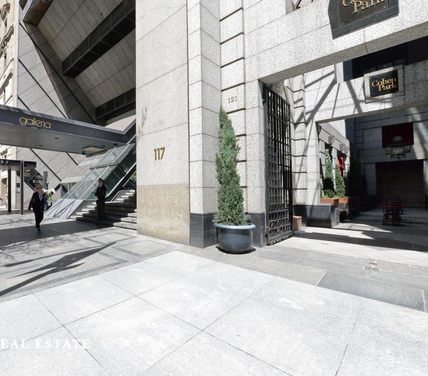
## Chapter One: The Leash of Morning Morning spilled over Cohen Park like honey from a cracked jar, gold pooling on grass, on duck feathers, on the noses of sleepy statues. I, Pete the Puggle, stood at the edge of the parking lot with my velvety white fur fluffed by excitement and my eyes—accented with playful streaks of makeup that Mariya called “adventure lightning”—wide enough to swallow the whole sky. Lenny clipped my leash and said, “Ready, Captain Wigglebeard?” I barked, “Ready is my middle name!” Roman snorted, “Your middle name is Actually-Scared-of-Puddles.” I pretended not to hear, because today the lake glittered beyond the trees like a giant blue eye, and it was looking straight at me. Mariya knelt, cupping my cheeks. “Magic hides in ordinary places, Pete. Even in water you fear.” Her voice smelled like coffee and cinnamon. I wanted to believe her, but my paws remembered every bathtub betrayal, every sprinkler ambush, every wave that had ever slapped my snout. Water was not wet to me; it was a mouth. It licked, swallowed, echoed. Lenny squeezed Roman’s shoulder. “No rushing. Courage is a trail, not a trampoline.” Roman grinned, protective and teasing all at once. “Stick with me, pup. If the lake tries anything funny, I’ll negotiate.” We passed under oaks wearing moss like green beards. Children flew kites shaped like dragons; old men played chess with pieces worn smooth as river stones. Then the path opened, and Cohen Lake revealed itself—bright, restless, vast. My heart became a drum in a marching band of one. I backed into Mariya’s legs. “What if it’s deep?” I whispered. Roman crouched beside me. “Then we learn the shallow first. Heroes don’t start by conquering oceans. They start by not running from the edge.” His hand rested on my back, warm as toast, and for one brave second I let the lake look at me without looking away. ## Chapter Two: Laika Between the Stars A shimmer crossed the water, not sunlight—something older, silvery, stitched from constellations. The air tasted metallic, like pennies and thunder. Out of nowhere stepped Laika, the mysterious female dog who had vanished into space in 1957 and returned with moon-dust in her fur and time bending politely around her paws. Her eyes were midnight with star flecks. “Pete,” she said in a voice like radio static turned gentle, “your fear has gravity. Today we teach it to orbit, not pull you down.” I yelped and hid behind Roman. “You’re real?” Laika smiled. “Realer than lunch.” Lenny blinked twice, then offered his hand as if meeting an astronaut at a school fair. “Honored, ma’am. Any wisdom for a dad with a nervous puggle?” Laika touched noses with him—bold, cosmic, brief. “Do not throw him into bravery. Stand beside him until it feels like his own idea.” Mariya whispered, “I knew the ordinary was enchanted,” and Roman said, “Okay, space dog, cool, but can you fetch?” Laika’s ears tilted. “I can fetch moments from yesterday.” She tapped the ground; for an instant we saw ourselves arriving, my tail tucked, the lake glaring. Then it vanished. “Memory,” she said, “is a leash we choose to hold or drop.” Before I could ask how a dog survives the dark between stars, a familiar laugh cracked through the trees like a bamboo staff. Bruce Lee bounded onto the path in a yellow tracksuit, moving as if gravity had signed a peace treaty with him. “Pete!” he called. “Family! I heard adventure was hiring.” Roman whooped; Lenny applauded; Mariya beamed. Bruce pressed a fist into his palm. “Fear is not the enemy. Blindness to fear is. We will look, breathe, move.” I looked at the lake again. It still seemed hungry. But now three legends, two parents, and one annoying beloved brother formed a fence around my trembling. For the first time, the water’s blue eye blinked. ## Chapter Three: The First Toe in the Blue Mouth Roman led me to the pebbly shore where the lake came in small, polite sips. “Paw,” he said. “Just one.” The water touched my claw and I levitated backward into Lenny’s knees. “It bit me!” “It greeted you,” Mariya laughed, though her eyes stayed soft. Bruce Lee stood ankle-deep, calm as a candle flame. “Pete, feel the difference between danger and discomfort. Discomfort is a teacher wearing ugly shoes.” Laika circled, leaving pawprints that briefly glowed. “In space, I learned darkness is not empty. It is full of things waiting for light. Water is the same.” I tried again. The first toe went in; cold zipped up my leg like an electric eel. My brain shouted, Run! My chest tightened until I was a accordion played by invisible hands. Roman sat right down in the shallows, jeans soaking, and said, “I’m here. Not ahead, not behind. Here.” That word—here—landed inside me warmer than sunlight. Lenny added, “If you need to stop, stopping is allowed. Brave includes brakes.” Mariya hummed a little tune, the one she sings when storms scratch the windows. I took one breath, then another, and put a whole paw down. The lake did not swallow me. It merely held my foot like a cold, curious hand. Then a wavelet bigger than the others rolled in, silver-backed and smug. It slapped my belly; I shrieked, spun, and bolted—straight off the path as a gust snapped a kite string and the red dragon kite dove into the woods. Roman shouted, “Pete!” I ran not from malice but from the old siren of panic, paws hammering, trees smearing green, family voices torn behind me by wind. I heard Bruce Lee yell, “Let him run ten seconds—then we follow!” But ten seconds is forever when fear has rockets. The trail forked; I chose wrong. The park swallowed my family’s calls, and the shadows under the pines opened like a door I had sworn never to enter. ## Chapter Four: The Dark Has Teeth, But Also Eyes Under the pines, day became dusk too quickly, as if someone had lowered a lamp over Cohen Park. My white fur, usually a flag, turned ghost-gray. Every root was a wrist grabbing; every cricket a tiny chainsaw. I feared the dark because it erased edges: no shore, no path, no Roman-shaped certainty. I feared separation even more—the idea that love could be on the other side of a tree and not find me. My thoughts tumbled: What if they think I chose to leave? What if the lake laughed? What if I am only brave when watched? A twig snapped. I froze. From between ferns came two glowing dots, then a low chuckle. “Lost, little moon-pup?” It was a raccoon with a mask like a burglar and a grin too wide for the woods. Behind him, shadows gathered—not magical, not cosmic, just mean: a gang of park raccoons tipped over trash cans and blocked the trail. Their leader hissed, “Toll is one sandwich or one shiny leash tag.” My tag bore Lenny’s phone number and Mariya’s tiny star sticker. I backed away. “I don’t have sandwiches. I have anxiety.” The raccoon stepped closer. “Then we’ll take courage.” Something inside me cracked—not breaking, opening. I remembered Bruce saying fear is information, not identity; Laika saying darkness is full of waiting light; Roman sitting in cold water saying here. I planted my paws. “You can’t take courage. It isn’t cake.” My voice shook, which made it truer. The raccoons laughed until the air split with a warm golden streak and Laika appeared, eyes blazing like two rescued stars. “Vaporize enemies?” she asked me politely. “Only the dangerous ones. These are rude, not evil.” She stamped; a ring of soft light pushed the raccoons back without hurting them. Their leader muttered, “Space dog cheater,” and vanished into the briars. I collapsed, panting. Laika licked my ear. “You spoke before I arrived. That was the real rescue.” ## Chapter Five: Bruce Lee and the Bridge of Breath Before relief could settle, the ground trembled with a deeper menace: not raccoons, but the old flooded culvert near the creek, swollen from last night’s rain, roaring through a tunnel under the path. To return, I had to cross a narrow plank bridge above black churning water—dark below, water around, separation behind. Every fear held a family reunion inside my ribs. I whimpered, “I can’t be brave in three directions.” Bruce Lee emerged from the trees, silent as a falling leaf, and bowed. “Then be brave in one direction: the next breath.” He showed me his hands—empty, scarred, gentle. “When I was young, I thought power meant never trembling. Wrong. Power is trembling with purpose.” He stepped onto the plank; it creaked like an old door. “Watch my feet. Slow is smooth. Smooth is fast.” The culvert howled; spray kissed my face. I saw myself falling, saw Roman’s face if I vanished, saw Mariya’s cinnamon hands empty. Then I saw Roman—not imagined, really there—on the far bank, having tracked me through mud and broken ferns, hair wild, voice hoarse. “Pete! Don’t you dare become a story I tell without you!” Laika stood beside me, her cosmic fur dimming to let my own small light matter. “I crossed the dark between worlds alone,” she said. “You do not have to.” Roman stretched both arms across the gap. “Come home by inches.” I put one paw on the plank. The wood sang; the water grabbed at the air beneath. Step. Breath. Step. Bruce chanted softly, “Emotional content, not anger.” I almost laughed; laughing loosened the knot. Halfway over, the plank dipped. Terror flashed white. I heard Lenny from somewhere behind the trees: “We see you!” Mariya: “Ordinary paws, extraordinary heart!” I looked not at the black water but at Roman’s eyes, brown and steady as earth. Three more steps. His hands closed around me. The bridge became only wood again. ## Chapter Six: Found Is a Verb Roman hugged me so hard my ears folded. “You furry idiot,” he whispered into my neck, laughing and crying in the same breath. “You brave furry idiot.” I licked salt from his jaw. “I ran.” “Yeah,” he said, pulling back, “and then you stopped running inside yourself. That’s bigger.” Laika trotted across as if planks were piano keys; Bruce followed, bowing to the culvert, which had quieted into a sulky mutter. Lenny and Mariya burst through the brush, mud to their knees, and suddenly we were a pile of arms, paws, star-dust, tracksuit yellow, and tears that tasted like the lake but warmer. Mariya checked every inch of me while Lenny kept saying, “Thank goodness, thank goodness,” like a prayer with sneakers. Bruce examined the raccoon tracks and grinned. “You faced masked bandits and a dragon kite. Productive afternoon.” I told them about the raccoon toll, the glowing pawprints, the culvert, the three fears holding a meeting in my chest. Roman admitted, “When you bolted, I felt this cave open in me. Like if I lost you, I’d lose the part of me that knows how to laugh.” His honesty landed heavier than any scolding. I nuzzled him. “I thought being separated meant being erased.” Mariya kissed my head. “Love is not a leash, Pete. It’s a lantern. Even when you can’t see us, we are shining toward you.” Laika looked up through the pine needles where true evening now sprinkled early stars. “In 1957 I went farther than any dog and learned distance is loud but not final. Time is fabric; family is the thread.” Bruce added, “And enemies? Most are water wearing a scary costume. Some must be stopped. All must be understood.” Lenny wiped his eyes and attempted a joke: “So, same time tomorrow?” We groaned, and the groan became laughter, and laughter became a bridge stronger than planks. I was still damp, still shaky, still me—but the me had grown new rooms. ## Chapter Seven: The Lake Apologizes in Sparkles We returned to the shore as sunset poured orange and violet over Cohen Lake. The water that had terrified me now wore sequins. Ducks wrote commas across the surface; a heron stood like a gray question mark contemplating dinner. Roman carried me to the edge, then set me down. “No pressure,” he said. “We can leave dry.” I stared at my reflection: white fur muddied, makeup streaks smudged into heroic war paint, eyes less round with fear and more round with seeing. The lake was not a mouth now. It was a mirror that had learned manners. Lenny rolled up his pants. “Family wade?” Mariya slipped off her shoes. Bruce, astonishingly, produced tea from a thermos and sipped as if lakeside enlightenment required caffeine. Laika lay on the grass, half in our century, half among constellations. I stepped in to my ankles. Cold, yes. Biting, no. I went to my knees, then belly, then—gasp—chest. Roman whooped so loudly a kite-flyer cheered. “Look at you!” I paddled three frantic strokes, claws churning, then found rhythm. Water lifted instead of grabbed. It held me like Mariya’s hands, like Lenny’s jokes, like Roman’s here. Fear didn’t vanish; it shrank to a pebble I could carry without drowning. I climbed out, shook glitter over everyone, and barked at the setting sun. Bruce bowed. “The student has splashed the master.” Laika’s form flickered, stars calling her home. “Will I see you again?” I asked. She touched her nose to mine. “Whenever dark says you are alone, remember: some dogs orbit overhead.” Then she was gone, leaving one silver hair on my ear. Roman tried to grab it; it became light. “Typical,” he muttered, smiling. We packed blankets, crumbs, wet socks, and the red dragon kite rescued from a bush—torn but still fierce. Cohen Park dimmed gently, no longer a maze of teeth but a room we had learned to walk through together. ## Chapter Eight: Lanterns in the Kitchen Dark Home smelled like tomato soup and safety. We sat around the kitchen table while rain made soft fists against the windows. I curled on Roman’s feet, exhausted in the good way, my muscles humming from paddling and my heart from being found. Lenny raised his mug. “To Cohen Park: where our dog fought raccoons, history, physics, and puddles.” Mariya laughed, then grew tender. “What did today teach us?” Roman answered first, surprising us. “That protecting Pete isn’t blocking every scary thing. It’s standing close enough that scary things have to introduce themselves.” I lifted my head. “I learned water can be a mouth or a mirror, depending on whether I look alone. Dark can hide teeth or eyes—friends have eyes. Being separated felt like disappearing, but love kept shining like Mariya’s lantern.” Bruce, who had followed us for soup and philosophical leftovers, said, “Courage is not the absence of shaking; it is shaking in the correct direction.” Laika’s silver hair gleamed on my ear, though she was far beyond the roof. Lenny squeezed Mariya’s hand. “And parents learn that letting go a little is not losing; it’s trusting the thread.” We agreed the day’s morals were simple and brief: fear is a messenger, not a master; courage grows by inches beside people who stay; family and friendship turn dark into a place where light can practice. Roman tucked me under his chin. “Tomorrow, bathtub?” I pretended to snore. Everyone laughed, and the sound filled the kitchen like warm bread. Outside, Cohen Park slept under stars; inside, I dreamed of lakes that sparkled, bridges that held, and a space dog threading night with silver. I was Pete the Puggle—muddy, makeup-smudged, brave by inches, loved by miles. *** The End ***
Use these buttons to read the story aloud:


No comments:
Post a Comment