"*** Pete the Puggle on the High Line: Whiskers Above the City ***"🐾
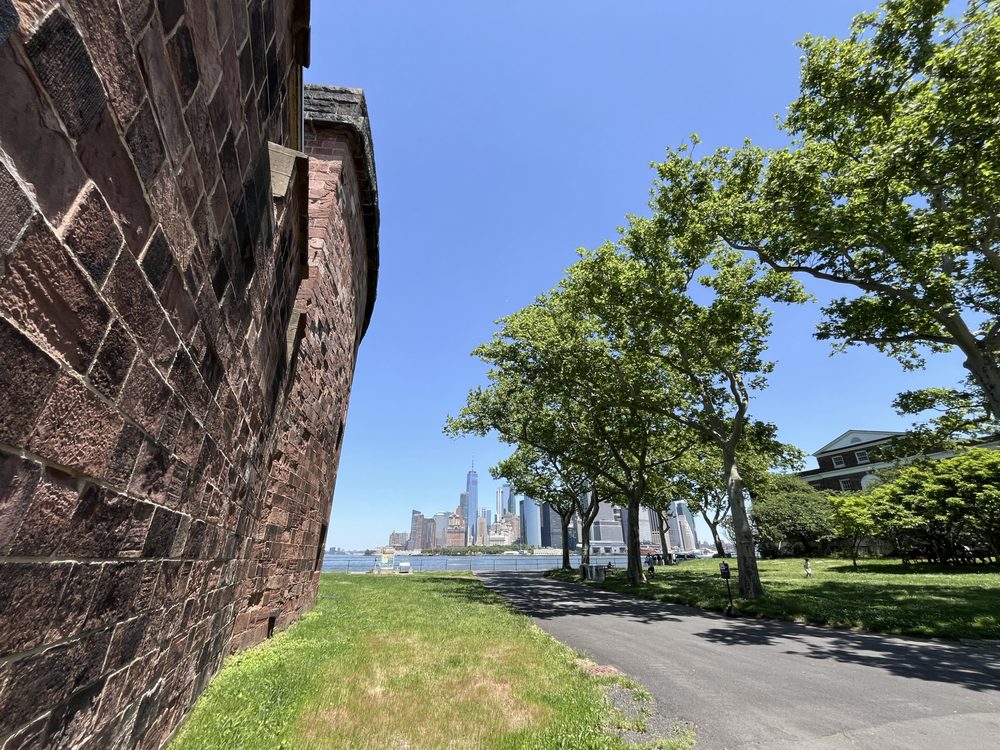
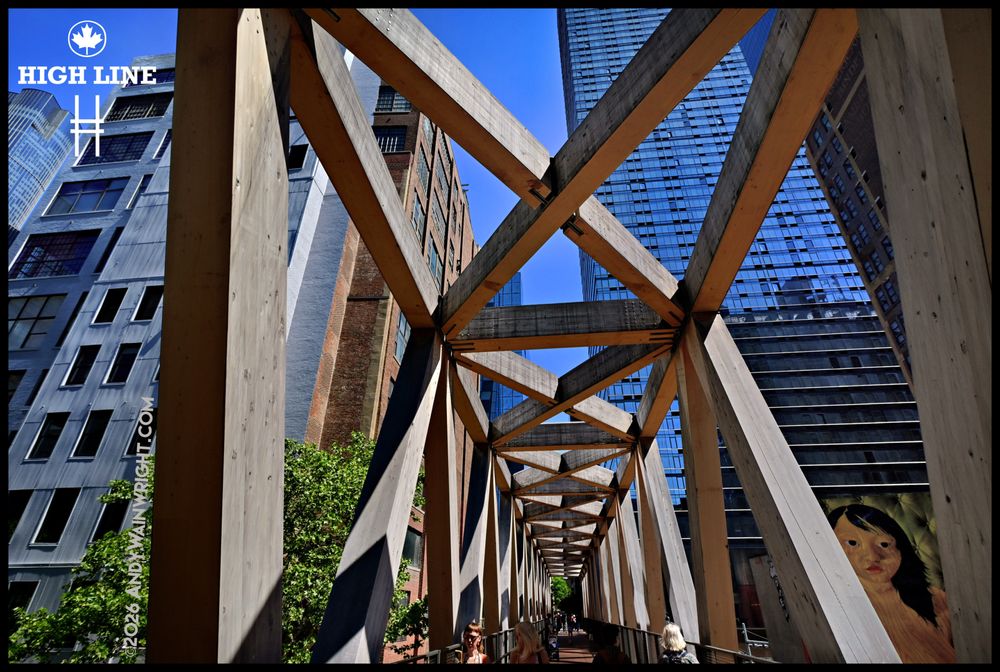
## Chapter One: The Park in the Sky The morning smelled like pretzels, rain-washed stone, and possibility. I, Pete the Puggle, trotted beside my family with my white velvety ears bouncing and the playful streaks of makeup around my eyes sparkling like tiny comets. Below us, New York honked and rushed; above us, the High Line stretched like a green ribbon threaded through the sky. “Look, Pete,” said Lenny, Dad, warm as fresh toast, “a park that learned to fly.” Mariya, Mom, brushed her fingers over lavender spilling from the planters. “It’s magic wearing sneakers,” she whispered. Roman nudged me with his elbow. “Race you to the old rails, slowpoke.” I puffed my chest. “I was born fast,” I declared, though my paws felt suddenly small beside the gleaming tracks. The High Line hummed with people—sketchers, dancers, tourists balancing ice cream and cameras. Wild grasses leaned toward us as if listening. I imagined the trains that once thundered here, iron dragons breathing smoke, now tamed into gardens. Roman crouched near a rail. “Courage isn’t loud,” he said, grinning. “Sometimes it’s just showing up with muddy paws.” Lenny added, “And snacks. Courage appreciates snacks.” Mariya laughed, and the sound made the pigeons loosen from the ledge like gray petals. I felt brave until we reached the shallow water feature, where children splashed across a rippling mirror set into stone. My legs locked. Water—cold, shining, unpredictable—stretched before me like a mouth. I remembered bath time, the slip of porcelain, the roar of the faucet, the way water stole the ground from under me. My heart became a drum in a thunderstorm. “Pete?” Roman said softly. I backed away, tail tucked. “I can’t,” I squeaked. “It’s too wet. Too deep. Too everything.” Lenny knelt, eyes gentle. “Then we won’t cross yet.” But the crowd pressed, the path narrowed, and beyond the water waited the rest of our adventure, glittering and unreachable. ## Chapter Two: Tom, Jerry, and the Ripple Bridge Near the water’s edge sat an orange cat with whiskers like exclamation points and a little brown mouse standing proudly on his paw. “Name’s Tom,” the cat purred, friendly as moonlight. “This is Jerry. He’s brave enough for both of us, which is convenient because I’m mostly dramatic.” Jerry bowed. “I once crossed a puddle during a thunderstorm. In a teacup.” I blinked. “Aren’t cats and mice supposed to chase?” Tom shrugged. “We retired from chasing. Now we do cameos and emotional support.” Roman laughed so loudly a sparrow scolded him. Mariya dipped her hand into the shallow sheet of water. “It’s only as deep as a secret,” she said. That helped—a little. Lenny sat beside me, not pushing. “When I was young,” he said, “I feared diving boards. So I started by putting one toe in the shallow end and telling it a joke.” “Did the water laugh?” I asked. “No,” Lenny said solemnly. “It has a dry sense of humor.” Even I giggled, though fear still curled in my belly like a sleeping snake. Jerry scampered onto the first dry stone in the water path. “Fear is a map,” he squeaked, “not a wall.” Tom stepped beside him, delicate for a cat. “And maps can be wrong.” Roman held out his hand. “Pete, look at me, not the water.” His eyes were steady brown anchors. I placed one paw on the stone. Cold kissed my pads. I yelped, then froze, expecting disaster. Nothing swallowed me. The city kept breathing. “Again,” Roman whispered. I moved another paw. The water shimmered around my reflection, turning my makeup streaks into brave little rainbows. ## Chapter Three: One Paw at a Time Halfway across, the fountain jets sighed upward without warning. White spray leapt like ghosts clapping. I panicked, slipped, and belly-flopped into the shallow sheet with a splash that sounded, to my ears, like the end of the world. Water filled my nose; my legs bicycled against stone. “Pete!” Roman shouted. Hands reached, but Tom was faster—he hooked his paw under my collar while Jerry grabbed my ear like a tiny sailor hauling rope. “Breathe, kid!” Tom coughed. I came up sputtering, furious, embarrassed, alive. I wanted to run backward, straight into yesterday where sidewalks were dry and heroes never smelled like wet dog. Mariya wrapped me in her scarf. “You fell,” she said, “and the world did not end.” Lenny nodded. “Important data.” Roman sat in the water beside me, jeans darkening, unbothered. “You know what’s scarier than falling?” he asked. “Letting fear choose your whole story.” His voice wasn’t teasing now. It was a lantern. I looked at the far edge—so close—and hated that I still wanted to quit. So I tried again. Not because courage arrived like a superhero, but because love stood around me in a circle and refused to leave. One paw. Shake. One paw. Breathe. Jerry counted, “Four paws, four heartbeats!” Tom murmured, “Elegant. Soggy, but elegant.” At the final stone I leapt—small, ridiculous, magnificent—and landed dry. The children nearby cheered; a musician’s saxophone lifted a bright note into the air. I shook water from my fur and felt something inside unclench. The water had not become harmless. I had become larger than my fear. ## Chapter Four: The Green Cathedral We wandered beneath a canopy of sumac and birch where sunlight broke into coins on the path. The city towers rose around us like patient giants, glass faces reflecting clouds. Mariya named plants as if introducing royalty: “Queen Anne’s lace, switchgrass, coneflower.” Lenny greeted every bench as “Sir Sit-a-Lot,” which made Roman groan and me snort. Tom padded along the rail with theatrical grace while Jerry rode in my collar, whispering navigation. “Left at the rusty sculpture. Right at the couple arguing about pickles.” For a while, joy was simple. I chased a butterfly that had clearly read books about evasive maneuvers. Roman bought us roasted nuts; Lenny told a joke so bad a saxophonist apologized. Mariya took photos of shadows leaning across old tracks. “Look,” she said, “the past holding hands with the present.” I imagined ghost trains beneath our feet, their whistles softened into birdsong. The High Line felt like a cathedral built by wind, and we were four humans, one puggle, one cat, and one mouse walking through its green hymn. Then thunder combed the sky. The light changed from honey to steel. People hurried, umbrellas blooming like black mushrooms. A tour group surged around us, all elbows and maps and loud opinions about pizza. Roman reached for my leash just as a stroller wheel caught it; the clasp snapped open with a tiny, terrible click. “Pete!” Mariya cried. But the crowd folded between us like a closing door. Tom hissed at the chaos; Jerry shouted, “Stay close!” I ran toward Roman’s voice and found only strangers’ shoes. In three breaths, my family vanished. ## Chapter Five: Lost Under the Thunder Panic tasted metallic, like pennies and lightning. I darted beneath a bench, heart galloping faster than my legs ever could. Every direction smelled wrong: hot dogs, perfume, rain on concrete, fear. “Dad! Mom! Roman!” My bark came out small. The city answered with horns. Tom appeared beside me, fur puffed into an orange storm cloud. Jerry clung to his back, eyes sharp. “Rule one of being lost,” Jerry said, “don’t sprint like a meatball.” “Rule two,” Tom added, “find high ground.” We scrambled onto a planter ledge, scanning the river of people. Rain began, cold needles stitching the afternoon. I trembled—not only from wet. Separation fear is different from water; it has no edge to cross. It is the thought that love has misplaced you forever. My mind painted awful pictures: Roman searching the wrong street, Mariya crying, Lenny calling until his voice broke. “What if they leave?” I whispered. Tom’s usual smirk softened. “Families don’t leave their hearts behind.” Jerry nodded fiercely. “And you’re basically all heart with ears.” We made a plan. Tom remembered a service passage near the old rail spur, darker but quieter. Jerry could fit through gates and listen beyond them. I would bark in threes—our signal—then listen for Roman’s whistle. “Three barks means ‘I’m here,’” I said, trying to sound commanderly while my tail betrayed me. We moved through rain-polished shadows toward the passage. Behind us, thunder rolled across the Hudson like a giant clearing his throat. Ahead waited darkness, narrow and patient. My old enemy, wearing new clothes. ## Chapter Six: The Dark Passage The service passage yawned beneath the park, brick walls sweating, lights flickering like tired fireflies. My fear of the dark rushed in with teeth. Darkness had always seemed to erase the edges of things—beds, doorways, me. In blackness, anything could be waiting: monsters, puddles with ambitions, silence that bites. I stopped at the threshold. “I can’t see the floor,” I breathed. Jerry squeezed my paw. “Then borrow ours.” Tom stepped in first. “For the record,” he said, “I hate this too. I simply look braver because of cheekbones.” We entered. Drips counted time. Somewhere metal groaned. My imagination grew claws; every shadow became a hunched beast. Then I remembered the water: how I had crossed not by becoming fearless, but by moving beside fear. I named the shadows aloud. “Pipe. Crate. Old sign. Grumpy rat—sorry, not you, Jerry.” “Accepted,” Jerry squeaked. Naming shrank them. Tom sang a ridiculous opera about meatballs to keep echoes company. I laughed once, shaky but real, and the dark lost a little authority. At the passage bend, we heard footsteps—heavy, quick, unknown. A flashlight beam swept near us. I froze. Tom crouched; Jerry vanished into a crack. The light passed, revealing only a maintenance worker humming to himself. Relief hit so hard my knees softened. Then, faint beyond the gate, came three sharp whistles—Roman’s signal, the one he used when we played hide-and-seek in the backyard. I answered with three barks, each one flinging itself down the corridor like a spark. Silence. Then running footsteps, closer, closer, calling my name. ## Chapter Seven: Roman’s Light The gate clattered, and Roman burst through with Lenny and Mariya behind him, rain jeweling their hair. Roman dropped to his knees so fast his palms slapped the wet brick. “Pete!” I crashed into him, all paws and sob-barks and wiggling apology. He held me tight enough that I felt his heartbeat sprinting against mine. “I’ve got you,” he kept saying. “I’ve got you.” Mariya wrapped us in her arms; Lenny’s hand rested on my head, steady as a roof. Tom pretended to inspect his claws. Jerry wiped his eyes and blamed “tunnel dust.” “You found the signal,” Roman said, voice thick. “I heard three barks and knew.” I licked his chin. “You taught me courage can be quiet.” He laughed, wet-eyed. “You taught me back.” Lenny exhaled a shaky joke—“Next family trip, we visit a nice dry library”—and even the darkness seemed to chuckle. Mariya looked at our strange rescue party. “Tom and Jerry,” she said, “you are officially family-adjacent.” Tom bowed. “I accept snacks as legal tender.” Jerry saluted with a crumb. We walked out into rain gentled to silver threads. The High Line glowed, washed clean, rails shining like sentences rewritten. I realized the city had not been trying to swallow me; it had been holding its breath while I learned to call for help. Fear had lied about forever. It always does. Roman clipped a spare leash to my collar, then kept one hand on my back anyway, not because he didn’t trust me, but because love likes to stay close after it has been frightened. ## Chapter Eight: Sunset Over the Hudson By evening the storm unpacked its clouds and the sky opened in bands of peach, violet, and gold. We gathered near the overlook where the Hudson carried light like a thousand floating lanterns. My fur was damp, my makeup streaks smudged into heroic war paint, and my heart felt larger than my body. Lenny handed me the corner of his pretzel. “To Pete,” he said, “who crossed water, darkness, and a very dramatic crowd.” Mariya smiled. “And to asking for help, which is courage wearing a humble coat.” Roman leaned against the rail beside me. “Were you scared when we got separated?” he asked. “Terrified,” I admitted. “I thought the world had lost its people-shaped holes.” He nodded. “Me too. I kept imagining your little face.” Tom stretched in the sunset. “I was calm,” he lied. Jerry snorted. “He screamed like a teakettle.” “Artistically,” Tom corrected. We laughed, and the sound rose over the traffic, over the river, into the softening blue. Before we left, I looked back at the High Line: gardens above streets, old rails beneath flowers, a path made from what had been abandoned. I understood that bravery is not the absence of shaking; it is walking while shaking toward the voices that love you. Water can be crossed one paw at a time. Darkness becomes smaller when named. Being lost ends when we signal, listen, and trust. Family is the leash that stretches but does not break; friendship is the unexpected paw under your collar. I, Pete the Puggle, went home tired, sparkly-eyed, and changed—still afraid sometimes, but no longer afraid of being afraid. *** The End ***
Use these buttons to read the story aloud:



No comments:
Post a Comment